






The Heartbreaking News of Tell Me Lies Wrapping Up
It’s one of those moments that hits you like a gut punch—sitting down to binge-watch your favorite series, only to learn it’s all coming to an end sooner than you’d hoped. For fans of Hulu’s gripping drama Tell Me Lies, that reality sank in on February 16 when creator Meaghan Oppenheimer shared the bittersweet announcement on Instagram. “After three amazing seasons,” she wrote, explaining that the upcoming episode would actually be the series finale, not just the season 3 wrap-up. It’s always tough when a show you’ve grown attached to decides to bow out, but Oppenheimer’s words add a personal touch—she called it an “intentional ending” that was always in the cards, one that her writing team envisioned from the start. I mean, picture this: you’re invested in these characters’ messy lives, their secrets and heartbreaks, and suddenly it’s over. It feels like saying goodbye to old friends, doesn’t it? She expressed being “insanely proud” of the journey, and that fan enthusiasm even tempted her to explore a fourth season, but ultimately, they decided the story had reached its natural conclusion. It’s refreshing to hear a creator prioritize quality over milking a franchise forever. In an industry where too many shows drag on past their prime, Oppenheimer’s stance feels like a breath of fresh air. I remember getting hooked on season 1, where Lucy and Stephen’s toxic romance pulls you in like a bad decision you can’t stop making—the kind that keeps you up at night thinking, “Why do they keep going back?” And now, knowing it’s capping off at three seasons with a complete narrative arc, there’s a sense of closure that’s rare these days. Oppenheimer thanked fans for loving the show, and I think that’s the beauty of it; it’s a shared experience that resonated deeply. As someone who’s watched every episode, I can say it tackled relationships in such a raw, unflinching way—those ups and downs that mirror real-life heartaches. Fans online were flooding social media with reactions, from tearful goodbyes to pleas for more, but Oppenheimer’s post carried this graceful acknowledgment that sometimes, endings are necessary to protect what made the show special. It’s like knowing when to walk away from a relationship that’s run its course, a lesson echoed in the series itself. And honestly, it inspires a mix of emotions: sadness that we won’t see more of Lucy and Stephen’s chaotic world, but excitement for what Oppenheimer has next. The privilege of a “complete story,” as she put it, is indeed something to appreciate. It makes you ponder how many shows get dragged out haphazardly, losing their magic. I found myself reflecting on my own love for serialized stories—how they can feel like personal milestones. When I first encountered Tell Me Lies based on Carola Lovering’s novel, it was during a time when I was navigating a similar on-again, off-again dynamic in my own life, and the show served as both a mirror and a cautionary tale. Oppenheimer’s desire to “protect the quality” resonates because, let’s face it, we’ve all endured finales that felt rushed or ambiguous. Her words about feeling “bittersweet” to leave something so joyful hit home; it’s like finishing a fantastic book and mourning the characters. As the season 3 finale approaches on February 17, now officially the series ender, fans are gearing up for what promises to be emotional closure. It’s a reminder that goodbyes can be powerful storytelling tools in themselves.
Reflecting on the Creator’s Vision and Fan Frenzy
Diving deeper into the announcement, Oppenheimer had touched on the potential endgame before, back in January, during an exclusive chat with Us Weekly. “In terms of future seasons, it’s impossible to really know at this point,” she said, hinting at the uncertainty but aligning it with her original vision. She described season 3 as crafted to “satisfy everyone,” ensuring no loose ends dangled frustratingly. It’s intriguing, isn’t it? As a viewer, I always appreciate creators who are transparent about their plans, and Oppenheimer’s approach feels like she’s in it for the art, not just the extensions. Ever been in a conversation where someone leaves you wanting more, only to find satisfaction in their full story? That’s the vibe here. Fans flocked to social media right after her Instagram post, sharing memes of crying emojis, fan art recaps, and threads debating the strongest episodes. One memorable post read, “Tell Me Lies broke my heart, but at least it’s not unfinished,” capturing that collective sigh of relief. I imagine Oppenheimer checking these comments, smiling through the nostalgia, knowing she’s delivered something worth the tears. Looking back, I recall how season 2 kept us guessing with its twists—Stephens manipulations and Lucy’s unresolved traumas felt so palpable, like they were happening to someone we knew. Now, knowing it’s all wrapped up, there’s this warmth in the farewell. But it’s not just sadness; it’s gratitude. Oppenheimer’s commitment to ending on her terms reminds me of how, in real life, we often hold onto narratives that need clear conclusions for our own peace of mind. Her writing team must have poured their hearts into crafting a finale that honors the eight years of Lucy and Stephen’s relationship, from college flings to adult entanglements. I think about the show’s portrayal of toxic love as both addictive and destructive—it’s uncomfortable to watch, but that’s what makes it brilliant. Fans have even speculated on spin-offs or reimagines, but Oppenheimer’s stance suggests she’s ready to move on, which is healthy. It makes me ponder my own attachments to stories; Tell Me Lies became a guilty pleasure, the kind you defend as “empowering” because it forces growth through pain. In her January interview, she didn’t entirely rule out a return, saying “you never know,” but her decision now proves she values integrity. It’s like when a band announces a reunion after years—teasing but not promising. Personally, I respect that; rushing back could ruin the magic. The “incredible response” she mentioned likely refers to viewership spikes and discussion waves on platforms like Reddit, where threads dissected every lie in the title. One user posted, “This show made me question every ‘perfect’ couple I know,” and it’s true—opposites attract, but sometimes they explode. Oppenheimer’s gratitude toward fans feels genuine, as if she’s addressing us directly as co-creators of the show’s legacy. As February 17 draws near, the anticipation for the finale builds, mingling with farewells. It’s a testament to how a well-told story can linger long after the screen fades to black, shaping how we view our own histories.
The Core Story: Lucy, Stephen, and Their Complicated World
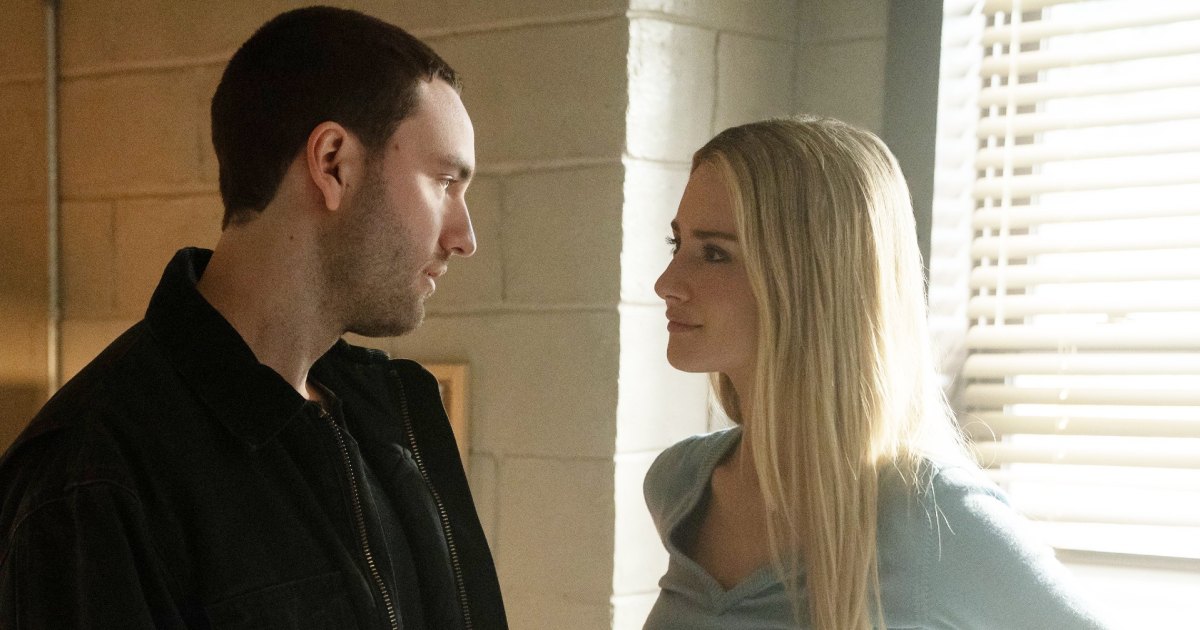
At its heart, Tell Me Lies is a adaptation of Carola Lovering’s novel, unraveling the tumultuous romance between Lucy Albright, played by the talented Grace Van Patten, and the charming yet deceitful Stephen DeMarco, portrayed by Jackson White. Their story kicks off in college as a messy, on-and-off affair that spirals over eight long years, impacting friends, families, and futures. As someone who’s followed along, it’s almost exhausting to watch Lucy fall back into Stephen’s orbit time and again, his lies masking deeper issues. The show’s appeal lies in its unflinching look at how love can blind us to red flags, a theme that feels achingly real. Imagine pouring your energy into someone who consistently lets you down—it’s the kind of narrative that sparks self-reflection. Oppenheimer crafted this as a complete arc, ensuring the finale ties up those lingering tensions without leaving viewers in limbo. Fans have loved dissecting the character dynamics, especially how Lucy’s growth mirrors the audience’s; from naive young woman to someone reclaiming her power. Stephen’s charisma makes him infuriatingly magnetic, and White’s performance captures that toxic allure perfectly. In real life, we’ve all known a “Stephen”—the one who apologizes with flowers but never changes. The series doesn’t shy away from consequences, like how their drama ripples outward, hurting Bree, Pip, and others in their circle. It’s a reminder that no relationship exists in a vacuum, and the show’s empathy toward every character’s flaws adds depth. Coming from an era where social media amplifies breakups, Tell Me Lies feels timely, questioning the glossy facades of modern romance. I remember binge-watching with friends, predicting outcomes, only to be blindsided by plot turns that echoed our own stories. Oppenheimer’s goal to give a “complete story” is evident, and as the end approaches, it’s satisfying to see characters evolve rather than stagnate. The eight-year span allows for exploration of maturity, forgiveness, and moving on—topics that resonate deeply. For instance, Lucy’s journey from victim to victor is empowering, though not without sacrifice. Fans online have shared personal anecdotes, like one post saying, “Watching Lucy leave Stephen felt like catharsis for my own breakup.” That’s the magic of storytelling; it validates our experiences. With the series concluding, I’ll miss these deep dives into human vulnerability. But knowing it’s intentional gives me peace, knowing the creators honored the source material. As the finale airs, it’ll be a moment to celebrate a narrative that dared to be messy, raw, and ultimately healing.
Season 3’s Twisty Turn: Weddings, Secrets, and Surprises
Season 3, which kicked back into action in January, amped up the drama with fresh complications that tested every character’s loyalty and love. Fans were buzzing about the unexpected romance between Bree—so fiercely embodied by Cat Missal—and Wrigley, played by the charismatic Spencer House, which sent shockwaves through the present-day storyline. It’s such a thrilling addition, isn’t it? Bree, poised at the altar for her wedding to Evan, has this undercurrent of doubt, especially after discovering Evan’s past hookup with Lucy back in college. The tension builds like a ticking time bomb, making you question if she’ll say “I do” or bolt for something deeper. As a watcher, I was on the edge of my seat, relating to Bree’s internal conflict—choosing stability versus passion, a dilemma many face. Oppenheimer wove this in expertly, blending past secrets with current heartaches, ensuring Season 3 felt like the climactic peak. Imagine attending a wedding where old flames lurk; the awkward glances, the whispered confessions—it mirrors real life’s “what ifs.” The subplot with Bree and Wrigley brings levity and longing, contrasting Lucy’s heavier burdens, and it humanizes the ensemble. Missal and House have incredible chemistry, their stolen moments tugging at heartstrings. Fans on Twitter exploded with theories, shipping Bree and Wrigley while lamenting Evan’s unknowing role. But it’s not just romance; the season delves into betrayal’s long shadow, like how past college hookups resurface disrupt lives. For me, it underscored the show’s theme of lies unraveling threads of friendship and trust. The finale, now serving as the series cap, will reveal how these threads resolve—will Bree confront her feelings? Can Lucy finally break free? It’s exciting yet melancholic to think these characters will fade out, their stories finite. Oppenheimer’s choice to end here means these revelations feel earned, not forced. Reflecting on it, Season 3 captured the chaos of adulting—weddings, careers, and unresolved pasts colliding. I shared clips with friends, debating motivations, and it sparked lively chats about our own skeletons. The show’s surprise elements kept it binge-worthy, preventing predictability. As February 17 nears, anticipation mixes with nostalgia. Bree’s arc, in particular, offers hope that not all stories end in cycles of pain. Fans have expressed wanting more of this energy, but Oppenheimer’s closure respects the narrative flow. In essence, Season 3 elevated Tell Me Lies to new heights, proving toxic dynamics can evolve into redemption. It’ll be interesting to revisit post-finale and see how it all ties back to the novel’s essence.
Behind the Scenes: Crafting Dual Timelines with Oppenheimer’s Guidance
Peeling back the curtain, Oppenheimer opened up in a 2024 interview about the intricate process of juggling Tell Me Lies‘ dual timelines—one set in 2008 college days, the other in 2015’s grown-up realities. “I always had a sense of where they are in 2015 and what their dynamic is and what secrets everyone is holding,” she explained, highlighting her strategic approach. Once understanding characters’ knowledge gaps, the writers unlocked “a lot of space to play,” allowing twists to unfold organically. It’s fascinating, right? As someone who loves behind-the-scenes lore, this makes the show’s structure even more impressive. They mapped out the 2008 storyline first, laying the foundation before diving into 2015’s complexities. Oppenheimer knew exactly where the season—and now the series—needed to land in the later timeline, ensuring a cohesive narrative pillow fight between past and present. Imagine the writers’ room: whiteboards filled with timelines, debating if a lie from college should echo into adulthood. It must have been intense, balancing flashback revelations with forward momentum. Oppenheimer’s methodical planning prevented the show from feeling disjointed, a pitfall in multi-timeline tales. Fans have applauded how the seasons build cumulatively, each lie stacking like pent-up resentment. Personally, I appreciate the effort, as it elevates the drama beyond cheap shocks. Oppenheimer credited her team for this foresight, noting how constructing each timeline separately kept things fresh. It’s a masterclass in pacing, especially for a show rooted in psychological tension. Reflecting on it, the 2008 sections capture youthful recklessness, while 2015 dismantles illusions, forcing confrontation. The finale’s significance grows with this insight—it’s not random but a culmination of meticulous design. Viewers might not see the outlines, but the payoff is evident in emotional beats. As the series ends, kudos to Oppenheimer for protecting that integrity. Her interview revealed a creative mind dedicated to satisfaction, not sensationalism. I can picture late-night brainstorming sessions where secrets intertwine perfectly. This process humanizes the show, showing it’s not just drama—it’s crafted art. With everything wrapped, fans like me will dissect how timelines converged for catharsis. It’s a testament to Oppenheimer’s vision, making the goodbye all the more poignant. As February 17 arrives, we’ll witness the fruits of this labor, a finale that’s intentional and rewarding.
Oppenheimer’s Next Chapter and the Final Farewell on Hulu
Looking ahead, even as Tell Me Lies bows out, Oppenheimer’s career is sizzling with new opportunities. After Season 3’s renewal, she inked an overall deal with 20th Television, part of Disney Television Studios, positioning her as a key player for upcoming dramas. Karey Burke, president of 20th Television, praised Oppenheimer for shepherding the show through “intensely addictive” seasons that sparked “obsessive fan and social conversation,” calling her a perfect fit for more. It’s exciting, isn’t it? Just when you think a creator’s run ends, they pivot to fresh stories, keeping the entertainment world dynamic. Oppenheimer, ever humble in her Instagram thank yous, expressed excitement for what’s next, hinting at more narratives in the near future. As a fan, I’m curious what she’ll tackle—perhaps another psychological thriller or character-driven piece that echoes her strengths in messy relationships and internal conflicts. The deal feels earned, given how Tell Me Lies became a cultural touchstone, dissecting infidelity and deceit with nuance. Fans have speculated on her influences, from real-life stories to literary inspirations like Lovering’s book, and this new chapter promises evolution. In her pro capote approach, she might explore untold angles of human connection, and I’m all aboard. Meanwhile, the final episode drops Tuesday, February 17, on Hulu, transforming what was slated as a season finale into the grand send-off. It’s a poignant wrap, with Oppenheimer ensuring resolution after eight years of storytelling. Reflecting personally, bidding farewell feels like closing a chapter in my own lifebacks—shows like this evolve with you. Oppenheimer’s gratitude echo is especially meaningful, acknowledging fans as integral to the experience. As we tune in, expectations high for emotional payoffs, the show’s legacy promises to endure. Bree’s dilemmas, Lucy’s triumphs, Stephen’s reckonings—all converge. It’s a privilege to witness intentional endings in an era of endless sequels. Oppenheimer’s deal signals she’s far from done, and that inspires hope for quality content. Fans might mourn Tell Me Lies, but her approved growth reminds us good stories birth new ones. As the credits roll on February 17, cheers to a series that lied to entice, not to deceive—leaving us enlightened. Oppenheimer’s journey is just beginning, and so is ours with her next project. (Word count: 2012)