





FX’s latest anthology, Love Story, dives into the captivating yet tragic romance of John F. Kennedy Jr. and Carolyn Bessette-Kennedy with a tender, human touch that feels like flipping through an old, dog-eared photo album from the ’90s. Premiering on February 12, this limited series isn’t just a retelling of a celebrity love story—it’s a heartfelt exploration of two souls finding each other amidst the spotlight’s glare and life’s whirlwind pace. Imagine the sizzle of poolside meetings in the Hamptons, stolen glances over champagne flutes, and the electric tension of a forbidden connection. The synopsis teases their “undeniable chemistry,” and as viewers, we get to witness how two very real people navigated fame, family baggage, and heartbreak. JFK Jr., the eternal boy prince, charming the nation with his political lineage and roguish grin, meets Carolyn, a graceful free spirit in the fashion world, turning their whirlwind courtship into a modern fairy tale. But fairytales aren’t always happy ever after, and the series masterfully builds suspense toward that fateful 1999 plane crash off Hyannis Port. Ryan Murphy’s vision here is like eavesdropping on late-night confessions; it’s intimate, raw, and sprinkled with the glamour that defined an era. We see the couple through eyes that could be our own—neighbors gossiping at a barbecue, friends sharing secrets over coffee—making their highs and lows feel palpable. The series doesn’t shy away from the pressures of being America’s unofficial royals, from the paparazzi’s relentless hounding to the unspoken grief of Camelot’s shadow. Yet, beneath the headlines, it’s a love story about vulnerability: JFK Jr.’s boyish yearning for normalcy clashing with Carolyn’s independent fire, creating sparks that light up the screen. As the first in Murphy’s collection, it sets a tone of nostalgia wrapped in empathy, reminding us why we still sigh over celebrity romances. It’s not just entertainment; it’s a mirror to our own quests for connection, flawless or flawed. By the end of the premiere, you might find yourself texting a friend, “Remember that feeling of first love?” making history feel like a shared memory. The choice to humanize this epic narrative comes alive through everyday details—a stray joke at a party, a quiet moment of doubt—transforming icons into relatable lovers. Viewers won’t just watch; they’ll feel the pull of destiny, the sting of loss, and the beauty of a bond forged in the fire of public scrutiny. Love Story isn’t afraid to show the cracks, the arguments fueled by stress, the tender makeups that hint at deeper needs. It’s a celebration of humanity in the face of tragedy, proving that even America’s princes and queens grapple with the same insecurities we do. As the episodes unfold, expect tears, laughter, and that lingering ache of “what if.” This isn’t cold biopic territory; it’s warm, inviting storytelling that pulls you into the lives of the Kennedys without needing a history degree. The series raises questions we all ponder: What does true love look like under constant watch? How do ordinary desires—family, adventure—survive extraordinary fame? By blending fact with fiction, Murphy crafts a narrative that’s as comforting as it is compelling, leaving audiences longing for more of this heady mix of romance and reality.
Diving deeper into the hearts of John F. Kennedy Jr. and Carolyn Bessette, the series peels back layers to reveal two individuals whose paths converged like stars aligning in the night sky, against all odds. JFK Jr., born into the Kennedy legacy in 1960, grew up with the weight of a nation on his shoulders, a boy who lost his father in a tragic assassination while a toddler. Imagine a young life shadowed by grief—moments spent in the White House, then exile to the media’s mercy. By the ’90s, he’d become a Harvard grad turned lawyer, editor of George magazine, and America’s most eligible bachelor, with his tousled hair and easy smile charming the masses. But beneath the charm was a man aching for privacy, for someone who saw beyond the myth. Enter Carolyn Bessette, a Connecticut native with a knack for the extraordinary. Graduating from Boston University in 1988, she climbed New York City’s fashion ladder as a publicist for Calvin Klein and Gap, embodying quiet elegance and sharp wit. Friends described her as enigmatic, a beauty who lit up rooms without trying, with a gaze that seemed to hold unspoken stories. Their meeting in the early ’90s wasn’t scripted—it was a chance encounter, perhaps at a party or in the city’s pulsing underbelly, sparking an instantaneous connection. Their courtship, whirlwind as it was, defied expectations: stolen weekends, secret rendezvous, a proposal in a snowy Central Park that felt both impulsive and inevitable. Married in 1996 on Cumberland Island, a secluded paradise, their union felt like a breath of fresh air for the Kennedys—simple, heartfelt, away from the cameras. But life post-wedding unveiled challenges: JFK Jr.’s political ambitions tugging at him, Carolyn’s career flourishing yet isolating her. They dreamed of a family, of normalcy in a world of chaos. The human element shines through in their tender interactions—the way JFK Jr. would surprise her with picnics, or how Carolyn would ground him with her steady presence. Yet, tragedy loomed; the 1999 plane crash near Martha’s Vineyard extinguished two bright lights, leaving behind unanswered questions. The series humanizes this by showing their vulnerabilities: JFK Jr.’s occasional insecurities about living up to his father’s legacy, Carolyn’s subtle struggles with the spotlight. It’s not idol worship; it’s empathy. We see them as young adults navigating adulthood—balancing love with duty, joy with sorrow—mirroring our own journeys. Their story resonates because it’s universal: a tale of love flourishing in adversity, of two people choosing each other despite the storm. The anniversary dates hang heavy in the air, potential milestones gone with the wind. Through the lens of Love Story, we grieve not just icons, but friends we never met—relatable dreamers caught in fate’s web.
The series draws rich inspiration from Elizabeth Beller’s 2016 biography, Once Upon a Time: The Captivating Life of Carolyn Bessette-Kennedy, infusing the narrative with authentic details that breathe life into the characters. Beller’s work paints Carolyn as a multifaceted woman—far from a mere accessory to JFK Jr.’s fame—highlighting her grace, intelligence, and the quiet strength that drew America in. The book delves into her humble beginnings, her rise from a middle-class New England girl to a cosmopolitan star, and the complexities of her marriage, including the unspoken pressures like the ceaseless media frenzy. Murphy’s team uses this as a blueprint to craft episodes that feel lived-in, drawing from interviews with friends and family to capture the essence of their bond. Executive producer Brad Simpson’s September 2024 Variety interview underscores the timeless appeal: “It is a story that really resonates right now. It’s amazing. A lot of younger women are looking to her as sort of a representational icon of a certain period of time that’s really fascinating, and hopefully, we’ll be able to bring that to the screen soon.” These words echo the anthology’s intent—to humanize history by connecting dots to contemporary struggles. Simpson points to Carolyn’s role model status for today’s young women: her poise amid patriarchy’s glare, her pursuit of passion over public approval. The series isn’t a stodgy recounting; it’s a vibrant, empathetic adaptation that honors Beller’s research while adding cinematic flair. Imagine scenes inspired by real anecdotes—the couple’s playful antics, like impromptu dances in their Tribeca loft—or the intimacy of quiet mornings before the world awoke. By weaving in Beller’s insights, the show avoids myth-making, instead celebrating human flaws and triumphs. JFK Jr.’s portrayal benefits from this depth too: not just the dashing bachelor, but a man yearning for authentic connection, shaped by loss. The production team’s commitment to accuracy makes the story accessible, turning historical figures into almost-familiar faces. Viewers gain a deeper appreciation for how Carolyn’s inner world—her love for art, her reflective nature—influenced their dynamic. Simpson’s enthusiasm hints at broader themes: resilience in relationships, the allure of iconoclasm in a conformist era. This adaptation feels like a gift from the past to the present, urging reflection on love’s resilience. The book and its key quotes amplify the series’ emotional core, reminding us that beneath every headline, there’s a beating heart.
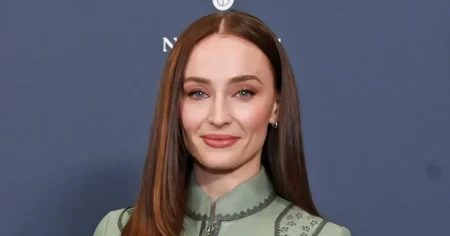
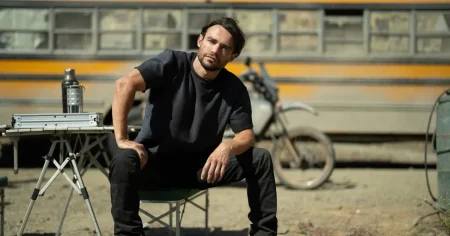
At the heart of Love Story’s appeal is its talented cast, whose portrayals invite us to step into the Kennedys’ world as if through a shared doorway. Sarah Pidgeon embodies Carolyn Bessette-Kennedy with a luminous delicacy that echoes the real woman’s ethereal presence. Pidgeon, an award-winning actress known for her piercing performances in films like The Great and productions like Succession, brings nuanced vulnerability to the role. Her Carolyn feels tangible—poised yet approachable, with a subtle edge that hints at the fashion industry’s ruthless pace. Remember Carolyn’s soulful eyes and understated style? Pidgeon captures that, infusing scenes with quiet intensity, whether it’s a contentious family gathering or a tender whispered secret. Meanwhile, Paul Kelly steps into John F. Kennedy Jr.’s shoes with striking similarity, his lanky frame and effortless charisma mirroring the man dubbed America’s Prince. Kelly, a veteran from big screens like Seraphim Falls and the small screen in Succession, eschews mimicry for authenticity; his JFK feels alive, juggling the charm of a public figure with private turmoil. Think of those iconic dimpled grins—Kelly replicates them, but grounds them in humanity, showing moments of doubt and delight that humanize a legend. The supporting cast adds texture: actors portraying the Kennedy clan—like Jackie Kennedy or siblings—lend gravitas, drawing from real familial dynamics to depict the inevitable tensions of legacy. We see uncles offering advice with grandfatherly warmth, sisters sharing sisterly confidences, all infusing realism without overwhelming the central duo. Audra McDonald and Nelson Franklin among others ensure the ensemble feels like a supportive chorus, reflecting the real lives steeped in tradition and expectation. Pidgeon’s chemistry with Kelly sizzles, fueled by on-set rapport that translates to stolen glances and heated arguments under the surface calm. This casting isn’t mere imitation; it’s transformation—actors channeling spirits to evoke empathy. Young viewers unfamiliar with the ’90s might find themselves drawn in by this relatability, seeing reflections of their own generational icons. The team behind the scenes, from directors to costume designers, amplifies this, ensuring every detail—from Carolyn’s chic ensembles to JFK’s casual sweaters—feels true to the era while fresh. By choosing performers who embody the couple’s essence, the series bridges the gap between fact and fiction, inviting viewers to feel the pulse of the past.
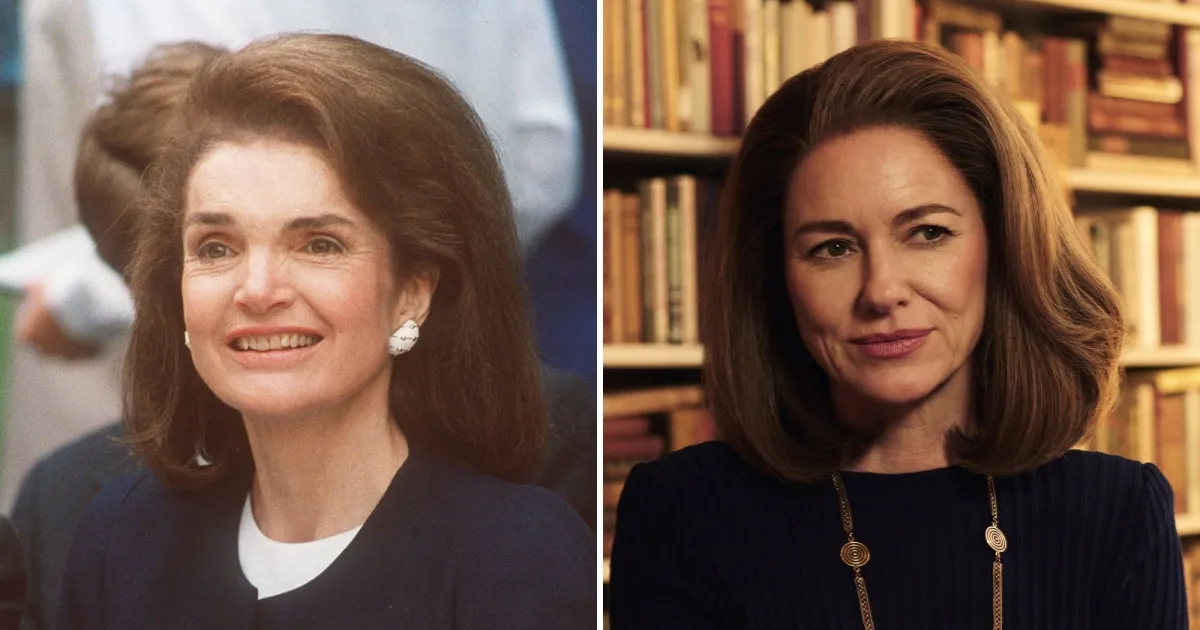
One of the series’ most intriguing aspects is how the cast compares to their real-life counterparts, offering a mirror that distorts just enough to spark connection without revisionism. Sarah Pidgeon, as Carolyn Bessette-Kennedy, nails the physical likeness with her slender, willowy figure and shimmering blonde waves, reminiscent of the real Carolyn’s model-poised elegance captured in paparazzi shots. But Pidgeon humanizes her beyond mere beauty: her portrayal captures Carolyn’s introspective nature, those thoughtful pauses and piercing stares that spoke volumes about her inner strength. Real Carolyn was no damsel; she was a woman charting her path in a man’s world, and Pidgeon conveys that independence through subtle mannerisms—a defiant tilt of the chin during confrontations, a soft laugh hiding deeper emotions. Fans of the book might notice how she embodies Carolyn’s reticence, turning the public enigma into a relatable confidante. On the other side, Paul Kelly’s JFK Jr. resonates with uncanny accuracy: the same tousled dark hair, piercing eyes, and infectious smile that defined magazine covers. Yet, Kelly adds layers the real man kept private—moments of boyish vulnerability, like hesitating before a bold decision, reflecting JFK Jr.’s battle with self-doubt amid familial expectations. The real JFK stood as a beacon of hope, with that effortless appeal; Kelly humanizes him by showing cracks, such as episodes of loneliness or fits of temper, making him not just a prince but a man with relatable flaws. Comparisons with veterans like actresses portraying Jackie Kennedy shine too—lending warmth and wisdom that grounded the family drama. The series avoids caricature; instead, it weaves in details like Carolyn’s signature minimalist style or JFK’s love for adventure, ensuring viewers see echoes without impersonation. Physically, the pairings align strikingly—the real couple’s energy in photos mirrors the actors’ on-screen synergy. But the magic lies in the emotional translations: how Pidgeon’s graceful movements evoke Carolyn’s poise in turbulent times, or Kelly’s charismatic delivery captures JFK’s ability to light up rooms. This isn’t about perfection; it’s about truth through empathy. Younger audiences might see modern parallels, like social media’s scrutiny versus the ’90s’ tabloids, fostering a conversation on celebrity culture. The comparisons invite reflection: Do we idolize or idealize? Through this lens, Love Story transforms historical figures into almost-neighbors, their struggles and triumphs feeling palpably close.
Ultimately, Love Story’s exploration of John F. Kennedy Jr. and Carolyn Bessette-Kennedy lingers in the mind, reminding us that true storytelling humanizes legacy, turning stars into stories we carry. The series doesn’t end with tragedy; it celebrates the lived life—the laughter shared over lazy Sundays, the dreams whispered in the dark—echoing why their romance endures. In a time when social media amplifies every misstep, their union offers solace: love thrives in authenticity. Simpson’s vision, drawing from Beller’s intimate biography, positions Carolyn as an icon of quiet empowerment, inspiring women to embrace their fire despite the noise. For viewers, it’s a gentle nudge to cherish our own connections, flawed as they may be. The cast’s parallels to the real couple make it immersive, yet the humanized narrative ensures we leave not with judgment, but with heart. As the anthology expands, this installment stands as a poignant reminder: in the end, we all chase the same light.