




The Unexpected Appeal of On-Screen Monsters: A Modern Phenomenon
In recent years, the entertainment landscape has witnessed an intriguing trend: the emergence of oddly appealing monsters portrayed by conventionally attractive actors. This phenomenon has created a fascinating cognitive dissonance for viewers who find themselves simultaneously repulsed and drawn to these characters. From Netflix’s supernatural hit “Stranger Things” to classic horror reimaginings, these complex portrayals are challenging our traditional notions of attraction and fear, creating a unique space where the monstrous becomes strangely alluring.
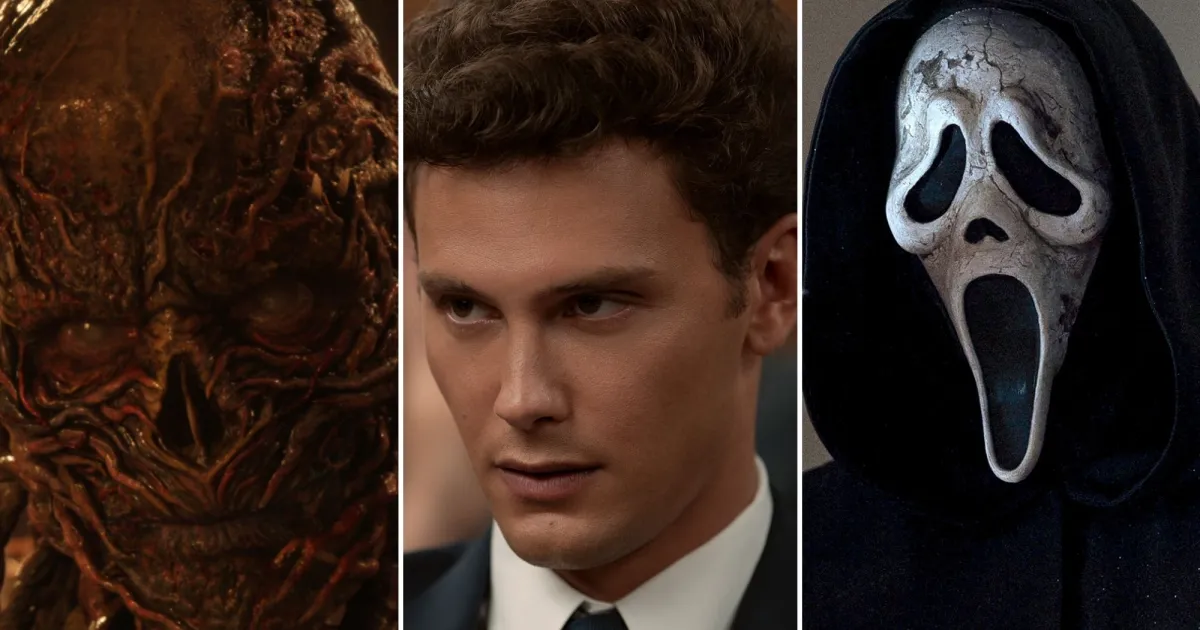
At the forefront of this trend stands Jamie Campbell Bower, whose dual role as the seemingly benevolent “Mr. Whatsit” and the terrifying villain Vecna in “Stranger Things” has left audiences conflicted about their feelings. Bower himself acknowledges this peculiar dynamic, joking in a Netflix featurette about viewers finding his grotesque character attractive: “I’m grateful… the whole effects team—we’re very grateful for the fact that you think Vecna is sexy.” His playful addendum, “If you can’t have me at my Vecna then you don’t deserve me at my One,” highlights the actor’s awareness of how his performance blurs the lines between horror and allure. This duality creates a complex viewing experience where fear and attraction coexist, challenging our understanding of what makes a character compelling.
Bill Skarsgård represents another fascinating case study in this phenomenon. Beginning with his role as a blood-thirsty character in “Hemlock Grove,” Skarsgård has built a career portraying creatures that disturb yet captivate. His portrayal of Pennywise the Dancing Clown in the “It” franchise demonstrated his ability to imbue monstrous characters with a magnetic quality that transcends conventional horror. Most recently, his interpretation of Count Orlok in the reimagining of “Nosferatu” continues this tradition of creating monsters that repel and attract simultaneously. In discussing his approach to the vampire count, Skarsgård acknowledged the intentional eroticism in his portrayal, telling Esquire, “He’s gross. But it is very sexualized. It’s playing with a sexual fetish about the power of the monster and what that appeal has to you.” This deliberate fusion of horror and sensuality speaks to a deeper psychological aspect of monster narratives.
The appeal of these monstrous characters may stem from their embodiment of power, transformation, and forbidden desire—themes that have always resided at the heart of monster mythology. Skarsgård articulates this dynamic perfectly when he explains the intended effect of his Nosferatu performance: “Hopefully you’ll get a little bit attracted by it and disgusted by your attraction at the same time.” This statement captures the essential paradox at work in these portrayals—the creation of a viewing experience where attraction and revulsion don’t cancel each other out but instead create a new, more complex emotional response. The discomfort this creates is precisely what makes these characters so memorable and effective, as they force viewers to confront their own contradictory reactions.
What makes this trend particularly noteworthy is how it represents an evolution in horror storytelling. Rather than presenting monsters as purely abject beings to be feared and destroyed, contemporary portrayals often invite viewers to understand and even empathize with the monstrous. Actors like Bower and Skarsgård bring nuance and humanity to creatures traditionally positioned as inhuman, creating layered characters that resist simple categorization. This approach transforms the monster from a one-dimensional threat into a complex figure that might represent suppressed desires, unacknowledged fears, or forbidden possibilities. The result is a richer viewing experience that engages audiences on multiple levels—intellectually, emotionally, and yes, sometimes even romantically.
This phenomenon also reflects broader cultural shifts in how we understand differences and “otherness.” By making monsters attractive and, at times, sympathetic, these portrayals challenge the binary thinking that has historically characterized monster narratives. Instead of reinforcing boundaries between the normal and the monstrous, these characters blur such distinctions, suggesting that monstrosity might exist on a continuum with humanity rather than in opposition to it. As viewers find themselves drawn to characters like Vecna or Count Orlok, they participate in a reimagining of what constitutes the monstrous—and by extension, what constitutes the human. This complex interplay between attraction and revulsion, empathy and fear, speaks to our evolving cultural understanding of identity, desire, and difference, making these “hot monsters” not just entertaining curiosities but reflections of changing social perspectives.