






Florida Woman Accused of Sending Explicit Videos to Imprisoned Child Sex Offender
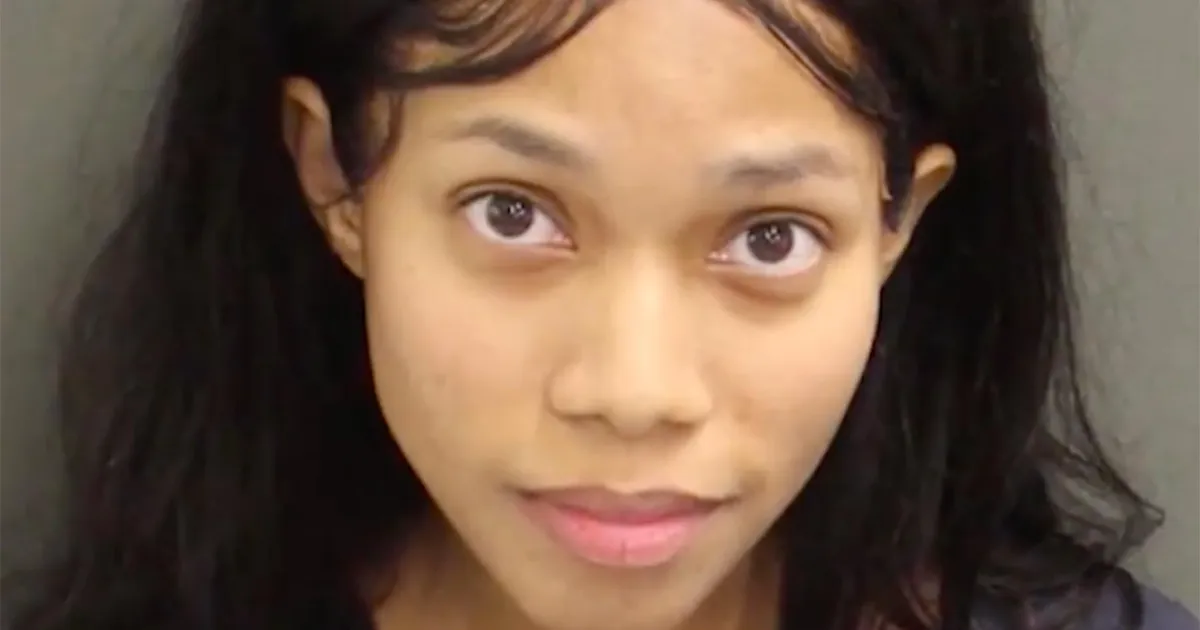
In a disturbing case that highlights the ongoing vulnerabilities of child victims, Florida authorities have charged 33-year-old Taylor Dorsey with sending sexually explicit videos of a 13-year-old girl to the very man imprisoned for abusing her. The case has shocked investigators and raised serious questions about how Dorsey gained access to the victim and what motivated her actions. According to official documents, Dorsey allegedly emailed the footage to Stephon Anderson, a 31-year-old federal prisoner currently serving a 16-year sentence for producing child sexual abuse material involving the same girl back in 2023. The investigation reveals a troubling connection between Dorsey and Anderson that persisted despite his incarceration, potentially revictimizing a child who had already suffered trauma.
The investigation began on September 24 when the National Center for Missing and Exploited Children alerted the Florida Department of Law Enforcement about suspicious uploads traced to Dorsey’s IP address. Authorities quickly connected the dots through her phone number and recovery emails, eventually discovering an unauthorized cell phone smuggled into Anderson’s prison cell. This contraband device had apparently enabled ongoing communication between Anderson and Dorsey, facilitating the transfer of the illegal footage. The discovery paints a picture of determined efforts to circumvent the safeguards meant to protect the young victim and prevent Anderson from continuing his harmful behavior even while behind bars. When questioned during the execution of a search warrant at her home on December 10, Dorsey allegedly claimed she had made one of the videos for “medical reasons,” an explanation investigators found dubious given the circumstances.
The case against Anderson dates back to 2023 when Ocoee Police arrested him for lewd or lascivious molestation of a victim 12 years or younger and promoting sexual performance by a child. According to FBI investigations, Anderson had uploaded a video showing child sexual abuse to social media platform X on March 10, 2023. When authorities served a warrant at his home, they recovered cell phones containing evidence that Anderson had recorded videos of the victim over several weeks. Court records confirm that one particularly disturbing video showed Anderson engaged in sexually explicit conduct with the child while she slept. These findings led to his guilty plea on September 13, 2023, resulting in his current 16-year sentence, which also includes a 10-year supervised release term and sex offender registration requirements.
Dorsey now faces serious legal consequences for her alleged actions. She has been charged with directing or promoting a sexual performance by a child and is currently being held in jail without bond. Her next court appearance is scheduled for next month, though reports indicate that information about her legal representation remains unclear. The affidavit in her case does not explain how she managed to gain access to the young victim, leaving troubling questions unanswered about potential failures in the protection systems meant to safeguard vulnerable children. Meanwhile, authorities have not yet clarified whether Anderson will face additional charges for receiving or possessing the video footage while incarcerated, though his use of contraband communication devices within the prison system represents another serious violation.
This case highlights the complex challenges in protecting child victims from continued exploitation, even after their abusers have been imprisoned. The alleged coordination between Dorsey and Anderson demonstrates how determined offenders can sometimes find ways to continue harmful behavior through intermediaries or accomplices. It also raises important questions about the effectiveness of current systems designed to monitor sex offenders’ communications while incarcerated and protect victims from further contact. The investigation uncovered not only the transmission of illegal content but also revealed vulnerabilities in prison security that allowed Anderson to maintain outside communications using unauthorized devices. These findings point to potential areas where child protection and corrections policies may need strengthening to prevent similar situations in the future.
For those concerned about child welfare, this case serves as a sobering reminder of the importance of reporting suspicious behavior and supporting victims of abuse. Organizations like the National Sexual Assault Hotline (1-800-656-HOPE) and the Child Help Hotline (1-800-422-4453) provide crucial resources for victims and those who suspect abuse is occurring. The investigation into Dorsey’s activities began with a tip to the National Center for Missing and Exploited Children, demonstrating how vigilance and reporting can help authorities interrupt cycles of abuse. As this case proceeds through the justice system, it underscores the ongoing need for comprehensive approaches to preventing child sexual abuse, supporting survivors, and ensuring that convicted offenders cannot continue to cause harm, whether directly or through others, while serving their sentences.