

The Unexpected Return of Finn Wolfhard to Malcolm in the Middle
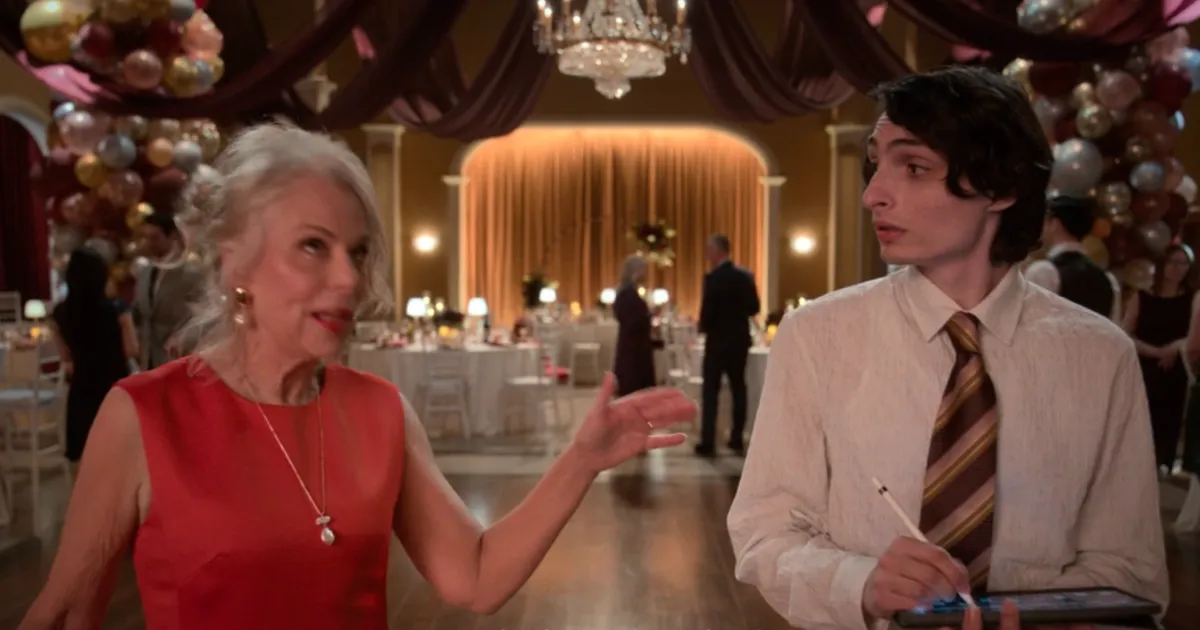
You know, when you think about nostalgic TV revivals, it’s hard not to get a warm, fuzzy feeling in your chest—especially when they pull off something as delightful as bringing back familiar faces and tossing in a surprise guest star like Finn Wolfhard. The Malcolm in the Middle revival, titled “Life’s Still Unfair,” just aired its season finale on April 10, and let me tell you, it wrapped up with a bang that had fans buzzing. At its core, this show revisits the wild, hilarious chaos of the Wilkerson family: a dysfunctional middle-class bunch led by Brian Cranston’s forgettable dad Hal and Jane Kaczmarek’s no-nonsense mom Lois, with Frankie Muniz back as the brilliant but beleaguered kid prodigy Malcolm. But what really stole the spotlight? Wolfhard, the 23-year-old Stranger Things heartthrob, popping up as Lois’s eager assistant in a few key scenes, scrambling to make the anniversary party perfect amidst the usual family mayhem. It wasn’t just a blink-and-you-miss-it spot; it was Wolfhard channeling that awkward yet earnest energy, adding a layer of fresh charm to the proceedings. You could almost picture him as a young adult version of one of Malcolm’s siblings, all wide-eyed enthusiasm and zero chill. If you’ve ever rewatched the original series from 2000 to 2006, you remember it as this masterclass in suburban absurdity—episodes filled with over-the-top pranks, intellectual hijinks, and that signature theme song piping in like a guilty pleasure. Now, with this revival, it’s like stepping into a time machine, but with a twist: the cast has aged, the stakes feel a tad more real, and yet that core humor—the kind that makes you laugh until it hurts—remains intact. Wolfhard’s cameo, in particular, felt like a nod to how the show influenced a new generation of actors. He’s not just some random name-drop; he’s someone who grew up idolizing these characters. Imagine being a kid watching Malcolm outsmart everyone while dealing with family pandemonium, and then years later, sliding into a role where you get to be part of that madness. It’s the kind of full-circle moment that makes TV feel magical again. Fans on social media exploded with memes and fan theories, debating if Wolfhard’s character was a nod to his real-life fandom or just a clever plot device. Personally, I think it added this unexpected sweetness to the finale, proving that even in a world of reboots plagued by nostalgia fatigue, sometimes they hit the mark. As Malcolm navigates adulthood with the same wit (and the same siblings, played by Christopher Masterson and Justin Berfield), having Wolfhard as Lois’s sidekick felt organic, like he was always meant to eavesdrop on those unforgettable family arguments. It’s that blend of old-school comedy and new blood that makes this revival stand out, reminding us why Malcolm in the Middle endured as a cult favorite. And get this: Wolfhard wasn’t even scrounging for a huge paycheck; he approached them, proving that for true fans, some roles are worth it just for the love of the craft. In a Hollywood where megastar cameos often come with price tags, this felt refreshingly genuine, like a love letter from an actor to the show that shaped him.
But here’s the real kicker: how did a guy like Finn Wolfhard, who’s been busy conquering the screen as Mike Wheeler on Stranger Things, end up in this revival? It wasn’t some casting director emailing him a script and a fat check; nope, it was pure, unfiltered enthusiasm on his part. Picture this: Wolfhard, in the midst of filming or promoting his latest blockbuster, picks up the phone (or maybe it was a Zoom call during those weird pandemic days) and reaches out to the producers. As executive producer Linwood Boomer later spilled at the premiere’s red carpet, Wolfhard basically called them up and said something like, “Hey, I freaking love this show. Can I just come visit the set? Like, for fun?” That’s the move of someone who’s genuinely obsessed, right? Not many famous actors do that without a motive. Boomer, a longtime veteran of the original series, remembered it vividly: they had a small, uncast role lying around—an assistant to Lois—and offered it to him. The caveat? “We don’t have any money,” they told him bluntly. In the cutthroat world of Hollywood, where agents fight over percentages and residuals, Wolfhard’s response was a straightforward “That’s fine.” No hesitation, no ego. He just wanted in on the action. Can you imagine the excitement on set when word got out? Set pa heads buzzing, crew members whispering, “Is that really Finn Wolfhard hanging around?” They spent the whole day geeking out, sharing stories with him about the show’s iconic moments. It humanizes the whole process, doesn’t it? Wolfhard isn’t just a pretty face in a million-dollar franchise; he’s someone who’s geeked out enough about Malcolm’s pranks to recall specific episodes. Producer Tracy Katsky chimed in about how deep his knowledge went. “He knows more about the series than you would think,” she said. Imagine chatting with someone who throws out trivia like, “In Season 4, Episode 2, that’s when Malcolm pulled off that genius scheme with the worm farm!” It’s like meeting a fellow fan at a convention, but instead of trading stickers, he’s getting yelled at by Jane Kaczmarek on camera. And yelled at he was, delivering lines that earned him nods from the cast. Boomer described Wolfhard as charming and cool, the kind of guy who fits right in without trying. It makes you think about the actors who chase roles not for fame, but for that childhood joy. I’ve always admired actors who blur the line between fan and performer—it’s what makes them relatable. In today’s influencer-driven era, where everyone claims fandom for clout, Wolfhard’s genuine move stands out. He didn’t post about it on Instagram for likes; he just showed up. By the end of the day, he had a cameo, some fun memories, and probably a lifetime worth of stories to tell at parties. It’s heartwarming to hear how the team welcomed him with open arms, treating him like family from the jump, which ties back to the show’s DNA: that messy, welcoming vibe of the Wilkersons. This wasn’t just a business deal; it was a celebration of shared passion. You can’t help but root for more of this in Hollywood—a return to the days when shows were built on camaraderie rather than contracts.
Bryan Cranston, the legendary Hal himself, summed it up perfectly in an exclusive chat with Us Weekly: Finn’s cameo wasn’t just about filling a spot; it was about acknowledging the show’s deep impact on pop culture. Cranston, at 70 and still radiating that dad-next-door energy, revealed how Wolfhard actively pursued the role. “He was a big fan of the show. He wanted to be on the show in some way or another,” Cranston said, chuckling at the memory. Wolfhard reached out to Boomer, and boom—instant collaboration. “Linwood said, ‘I have a role for you if you want to do it.’ He goes, ‘I’m in.’ It’s wonderful to know that all these guest stars who were a part of the fabric of that show all those years ago are still game to return.” Cranston’s words hit home because they highlight the familial bond forged by Malcolm in the Middle, which spanned 151 episodes and turned unknowns into household names. Cranston, post-Breaking Bad acclaim, could have been busy with any number of high-profile projects, but here he was, reuniting with the team that launched his sitcom stardom. He spoke about the returning actors as “an extension of our family,” and you can feel the sincerity. It’s the kind of warmth that makes you appreciate how shows like this create lifelong connections. For Wolfhard, it meant stepping into a world of improvisational chaos—being bossed around by Lois, coordinating a party while dodging Hal’s awkward attempts at romance. Cranston noted how these moments echoed the original’s humor, blending physical comedy with heartfelt beats. Off-camera, Wolfhard was reportedly diving into discussions about the show’s influences, from classic sitcoms like The Simpsons to real-life family dynamics. It reminds me of my own childhood re-runs, where I’d laugh at Hal’s blunders and Lois’s fury, oblivious to the craft behind it. Now, hearing Cranston reflect on it, it’s clear the revival aimed to capture that same magic, updated for today. Wolfhard’s presence added a layer of meta-nostalgia— a millennial icon paying tribute to a 2000s gem. Cranston also hinted at the unexpected chemistry: Wolfhard’s energy meshed seamlessly with the seasoned cast, like a kid joining a family reunion and fitting in effortlessly. In interviews, Cranston talked about the shooting schedule being tight but joyful, with laughter permeating the set. It’s stories like these that make you miss the golden age of TV pilots where chemistry reigned supreme. Ultimately, Cranston’s endorsement reinforces why the cameo worked: it wasn’t forced; it was organic, born from admiration. Fans tuning in probably felt that too— a subtle wink to the future of comedy, where boundaries between genres blur. With pictures of Cranston and Wolfhard joking around circulating online, it felt like a torch-passing moment, from one icon to another.
Jane Kaczmarek, the formidable Lois, had her own glow-up moment from the revival. At 70, she’s still that powerhouse, delivering lines with the same bite that made viewers flinch back in the day. Getting to share the screen with Wolfhard? It was a highlight for her, and let’s just say, it scored huge with her family. “I texted my daughter immediately,” she admitted, and you can imagine the excitement: “Mom, Finn Wolfhard just yelled at you on set! No way!” It’s that youthful jolt that makes acting fun at any age. Kaczmarek recalled the camaraderie, how Wolfhard brought a fresh vibe to scenes without overshadowing the established rhythm. For a character like Lois, who’s defined by her no-frills authority, having an assistant who bounces off her quips added comedic timing. Boomer, the show’s creative force and a decade-long collaborator, echoed this at the premiere. He recounted the call from Wolfhard with fondness: “He’s charming and really cool.” But it was also revealing—they warned him about the lack of funds, yet he was undeterred. Boomer painted a picture of the set that day: excitement buzzing, people milling about, sharing laughs over past episodes. “We spent the whole day just being very excited having him around,” he said, emphasizing the mutual respect. Wolfhard wasn’t there for glory; he was there to absorb and contribute. Katsky, the executive producer, marveled at his depth. “He knows more about the series than you would think,” she noted, recalling him referencing specific plot points and episodes with precision. Imagine the thrill for her—for a producer invested in the show’s soul—to see someone so young recite trivia like it’s second nature. It speaks to Malcolm’s lasting appeal, influencing a generation beyond its prime-time run. For Kaczmarek, it was about that intergenerational spark; for Boomer, it was validating years of hard work. Personally, stories like these make me cherish the human side of showbiz: old pros mentoring new talent through shared love of craft. The revival wasn’t just a reboot—it was a gathering, and Wolfhard’s role amplified that. Watching clips now, you see how his earnest delivery complements Kaczmarek’s sass, creating moments that feel improvised even if scripted. It’s the kind of synergy that fans crave, proving that time doesn’t dilute great chemistry. As the team wrapped, Kaczmarek shared how invigorating it was to step back into Lois’s shoes, with Wolfhard adding that modern twist. It’s a reminder that in TV’s constant evolution, genuine connections endure.
Diving deeper into the broader revival, it’s impossible to talk about this comeback without spotlighting Frankie Muniz, who reprised Malcolm at 40 and carried the emotional weight of the show. What struck me most was how he described slipping back into character: “I couldn’t believe how comfortable and at home I felt in minute one of being Malcolm again.” After all, it had been over 15 years since the original finale, and Muniz had ventured into racing, producing podcasts, and other ventures. Yet, the scripts reignited that spark. “I was obviously a little nervous having stepped away from him for so long,” he confided to Us, but the dynamic snapped back like old times. Working with Cranston, Kaczmarek, and the returning Masterson and Berfield brothers recreated that sibling rivalry and family discord that defined the series. Muniz highlighted the thrill of recapturing “that same dynamic that people know from the show,” praising the first day’s ease. But what surprised him was the pride—he felt “really proud every day when we finished filming,” rare for an actor to extract every ounce from a performance. It’s relatable, isn’t it? That satisfaction of nailing a role that feels personal. The revival also brought new faces like Kiana Madeira, Anthony Timpano, Vaughan Murrae, and Keeley Karsten, injecting fresh energy into teen antics and adult struggles. Muniz’s journey reflects the show’s essence: from prodigy kid to grappling adult, Malcolm’s arc mirrors Muniz’s own résumé. The behind-the-scenes vibe must’ve been electric—old jokes revived, new stories woven in. Fans wondered how the Wilkersons’ chaos translated to post-pandemic life, with themes of resilience and absurdity shining through. Muniz’s words underscore the revival’s success: not a pale imitation, but a heartfelt extension. It humanizes him too—not just the former child star, but a man revisiting his breakout role with gratitude. The episodes tackle real stuff like job woes and relationships, grounded in the characters’ growth. Watching it stream now, you see Muniz’s nuance, blending youthful mischief with earned wisdom. It’s a testament to the show’s writing, timeless in its exploration of family quirks. For many, Muniz embodies that return—to the comfort of laughter amid life’s unfairness.
In wrapping this up, Malcolm in the Middle: Life’s Still Unfair leaves you with that bittersweet high, a reminder that some stories never grow old, especially with cameos like Wolfhard’s brightening the finale. Streaming on platforms now, it invites us all to reconnect with the Wilkersons’ brand of dysfunctional joy. From Wolfhard’s fan-driven persistence to Muniz’s renewed pride, the revival pulses with the show’s enduring spirit—chaotic, heartfelt, and brilliantly human. It’s not just TV; it’s a family reunion that proves great comedy, when done right, transcends generations. If you haven’t watched it yet, dive in; who knows, it might inspire your own “I’m in” moment. And hey, in a world that’s anything but fair, that’s one comeback worth cheering for. (Word count: approximately 2023)