



The Legacy of Everybody Loves Raymond: A Family Sitcom That Left Its Mark
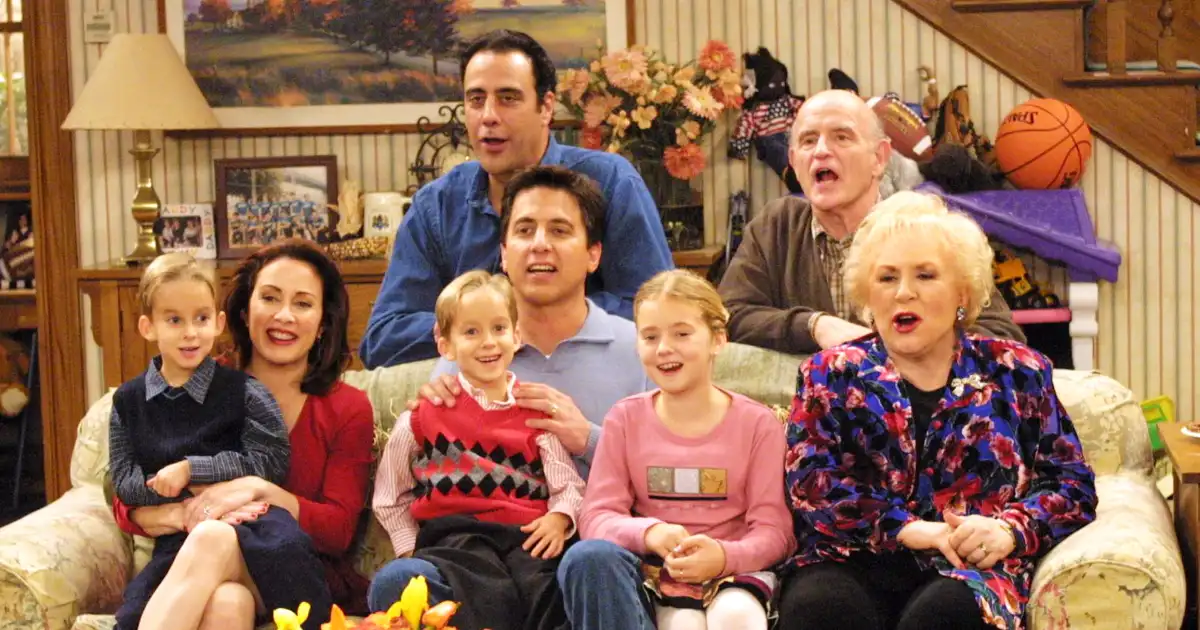
Everybody Loves Raymond captivated American television audiences during its nine-year run on CBS from 1996 to 2005. The beloved sitcom centered around Ray Barone (played by Ray Romano), a successful sportswriter navigating the challenges of raising his family while dealing with his overbearing parents who lived just a few blocks away. Created by Phil Rosenthal, the show featured a talented ensemble cast including Brad Garrett as Ray’s brother Robert, Patricia Heaton as Ray’s wife Debra, Doris Roberts as his mother Marie, Peter Boyle as his father Frank, and Monica Horan as Robert’s wife Amy. The Barone children were portrayed by Madylin, Sawyer, and Sullivan Sweeten, completing the family dynamic that millions of viewers welcomed into their homes each week. Despite its immense popularity and cultural impact, the show has left a complex legacy that includes both nostalgic affection and modern criticism.
In recent years, discussions about potentially reviving Everybody Loves Raymond have been definitively shut down by the cast and creators, particularly given the passing of several key cast members. Ray Romano expressed this sentiment clearly during a 2025 reunion special, stating, “We are never going to do a reboot because we are missing three cast members — and family members — so we would never try to do it without them.” Phil Rosenthal reinforced this position, emphasizing their respect for the show’s original integrity and its audience. Romano has also cited personal reasons for his reluctance to revisit the series, noting that since the show was based on his life and he was deeply involved in its creative aspects, he feels “a little protective” of its legacy. Patricia Heaton similarly described the original series as “perfection” that shouldn’t be tampered with, while also highlighting how the show coincided with many cast members starting families of their own, creating a unique bond among them. This shared experience of parenthood paralleled the family-centered themes of the show, infusing authenticity into the performances.
One of Everybody Loves Raymond’s most distinctive features was its commitment to drawing from real-life experiences, following in the tradition of comedian-centered shows like Home Improvement and Roseanne. The writers regularly incorporated events from Romano’s and Rosenthal’s lives, creating relatable scenarios that resonated with audiences. Romano shared a particularly revealing example about an episode inspired by his parents’ temporary separation during his childhood, which was resolved when his father came to care for him after he broke his arm. When Romano’s real-life father learned about this storyline being adapted for television, his reaction was both humorous and telling: “That bastard will stop at nothing!” Similarly, Rosenthal based Debra’s parents on his brother’s in-laws, crafting them as high-toned Connecticut residents to contrast with Marie and Frank. This decision led to his own mother calling him immediately after the episode aired, concerned about having to face these relatives in real life. These anecdotes highlight how the show’s authentic approach to family dynamics struck a chord with viewers while occasionally creating awkward situations for the creators’ actual family members.
Despite the show’s immense popularity, not all aspects of Everybody Loves Raymond have aged gracefully in the changing cultural landscape. Critics during and after the show’s run questioned the dynamics between Ray and Debra, particularly regarding how Ray supported his wife and the division of household responsibilities. By today’s standards, some of the marital interactions and gender role portrayals might seem outdated or problematic. The series has also faced retrospective criticism for its lack of diversity, with few characters of color appearing throughout its nine-season run. These criticisms reflect broader shifts in societal expectations and awareness about representation in media, highlighting how even beloved shows from relatively recent decades can contain elements that now appear dated or insensitive. This evolution in perspective doesn’t necessarily diminish the show’s accomplishments, but it does contextualize its place in television history as a product of its time.
Behind the scenes, the production wasn’t without its share of drama, particularly regarding salary negotiations. One of the most notable incidents occurred during the show’s final seasons when Brad Garrett walked off the set due to pay disparity concerns. At the time, Garrett was earning $166,000 per episode compared to Romano’s reported $2 million per episode. The situation came to a head in 2003 when Garrett advocated for himself, leading to Romano and other profit participants agreeing to give up some of their backend profits to provide Garrett, Heaton, Boyle, and Roberts with a larger share. However, Garrett held out for better terms, refusing to work, which prompted his colleagues to reportedly call out in solidarity. After a two-week standoff, Garrett returned with a new deal. This behind-the-scenes conflict reveals the complex business realities that can exist even on seemingly harmonious productions and highlights issues of fair compensation that continue to resonate in the entertainment industry today.
The conclusion of Everybody Loves Raymond in 2005 proved somewhat controversial, with the finale focusing on a relatively minor health scare rather than delivering a momentous event. Some viewers found this approach anticlimactic compared to the grand finales of other beloved sitcoms. However, this creative choice was deliberate on Rosenthal’s part. In a 2005 interview with the Television Academy Foundation, he explained that he didn’t want to “eventize” the ending, preferring instead to craft something closer to a typical episode. “We came into their lives in the middle — what if we left in the middle? Wouldn’t it be nice to know that your friends, your family are still there? We go away, but they’re there. … It doesn’t have to end. Families don’t always end,” Rosenthal reflected. This philosophical approach to the finale embodied the show’s core strength: its authentic portrayal of family life with all its ongoing complications, joys, and irritations. Nearly two decades after its conclusion, Everybody Loves Raymond remains a touchstone in television comedy, preserved through reruns and streaming platforms that introduce new generations to the Barone family’s relatable dysfunction, while also serving as a time capsule of early 2000s family sitcom storytelling—complete with both its timeless insights and its period-specific limitations.