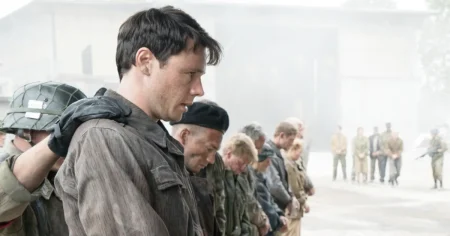






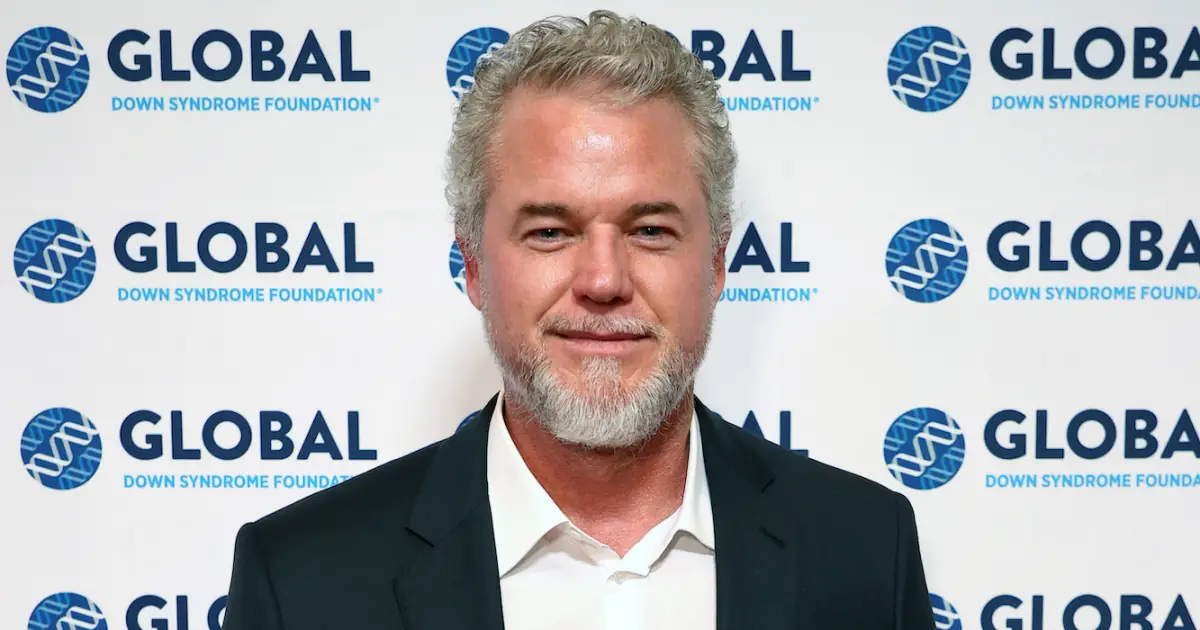
Eric Dane’s departure from this world at the age of 53, following a courageous battle with ALS, left a lasting imprint on those who knew him through his roles in shows like Grey’s Anatomy and Euphoria. In a poignant interview titled “Famous Last Words,” aired on Netflix just days after his passing on February 20, he sat down with creator Brad Falchuk to reflect on his life, his struggles, and the legacy he hoped to leave behind. It’s almost surreal to think about—Eric speaking from beyond the grave, his voice echoing with a mix of wisdom, humor, and raw honesty. He described the conversation as something both alive and posthumous, a bridge between the present and whatever comes after. Surviving him are his two daughters, Billie and Georgia, whom he shared with his ex-wife Rebecca Gayheart. In those final moments captured on camera, Eric embodied a man who faced mortality with grace, reminding us that even in the face of inevitable loss, there’s room for lightness and connection. It’s the kind of reflection that makes you pause, wondering how you’d articulate your own journey if given the chance.
Diving into his ALS diagnosis, Eric approached it with his signature blend of curiosity and resilience, turning what could have been a story of despair into one of fascination and buoyancy. He spoke candidly about the physical toll—the way the disease has rearranged his body, making simple acts feel like Herculean efforts, his voice even sounding different to him, like a frog croaking in the night. Yet, through it all, he maintained a surprising sense of positivity. “My spirit has been surprisingly pretty buoyant,” he shared, acknowledging the wild paradox of finding joy in a situation devoid of any logical reason for happiness. It’s inspiring to hear him zoom in on the mechanics of ALS, not just as a medical condition but as a personal experience that humbles and grounds him. Instead of wallowing, he focused on the remarkable progression, the way each moment unfolds despite the odds. This isn’t just about enduring; it’s about embracing the weird wonder of it all, the way a sunset feels more vivid after a storm. Eric’s outlook humanizes the disease, turning it from an abstract curse into a canvas for reflection, inviting us to consider our own spirits amid life’s unpredictabilities.
In discussing his thoughts on death and legacy, Eric revealed a pragmatic, earth-bound philosophy, one that many of us grapple with in quieter moments. He confessed to a “controversial relationship with the universe,” firmly believing that when the lights go out, that’s it—no grand afterlife, no eternal soul wandering. People cling to those comforts, he said, but he’s come to grips with the finality, finding peace in the idea that our echoes live on in the memories of those who loved us. This honesty feels refreshingly human, stripped of pretense; it’s the kind of admission that echoes in a world obsessed with certainty. For Eric, legacy wasn’t about monuments or fame but the ripple effect of a life lived fully. He took pride in his career—hits like Charmed, Grey’s Anatomy, Euphoria, and The Last Ship—all threads that wove him into the fabric of popular culture. “I’m proud of it all,” he mused, as Brad recited his bio, seeing the experiences as stepping stones that shaped him. It’s relatable, the way we all look back at our path and nod, glad for the detours. Diving deeper, he drew parallels between his life and art, particularly in Euphoria, where he channeled his own double life—struggles with addiction that mirrored his character’s secrets. Inspired partly by his father, who died by suicide when Eric was young, he touched on the loneliness that haunts us, the detached feeling in a crowded room. These connections make his story feel intimate, a reminder that our greatest roles often stem from personal pains we carry quietly.
Coping with his father’s death at age 7 marked a turning point, sending Eric to a treatment center for trauma and depression, where he learned to bottle emotions—”don’t feel, don’t cry,” as he described it. Writing letters to his dad in those early years gave way to peace, though the ache lingered. It’s heartbreaking yet healing to hear him reflect, the way loss shapes us, demanding strength we sometimes resent. His relationship with Rebecca Gayheart, his wife from 2004 to 2018, remains a testament to enduring bonds, even post-divorce. They drifted apart, she withdrew the petition in 2025 just before his diagnosis, but he spoke of deep love and friendship. “We’re still best friends,” he said, highlighting how they chose not to force coexistence despite affection. Rebecca’s perseverance contrasts his own “scuttle the boat” instinct, a vulnerability that humanizes their story—love isn’t always linear, and separations don’t erase the heart’s threads. As a father, Eric poured pride into his daughters, naming Billie after his late father, and always showing up for recitals and games. He predicted they’d remember him as reactive, resilient, loving—qualities that painted him as a “good dad.” His addiction battles, relapsing during downtime, showcased perseverance, a theme that tied into his ALS advocacy, where he lamented the “money problem” hindering research. Through it all, Eric’s voice carried an empathetic plea to treasure life, urging others to live presently, love passionately, choose friends wisely, and fight with dignity.
Eric’s message to Billie and Georgia at the interview’s close is a tear-jerking masterpiece of love, lessons, and legacy. “I tried,” he begins softly, acknowledging stumbles but emphasizing the joy they shared—beaches in Malibu, Hawaii, Mexico, playing in the ocean like water babies. He distilled wisdom from his illness: live in the present, for the past harbors regrets and the future unknowns. Fall in love with something—be it acting or a passion that drives you. Choose friends wisely, and fight every battle with dignity and grace. Grateful for his support network, friends who “just show up,” he embraced the disease’s changes, his spirit unbreakable. Concluding with “You are my heart, you are my everything. Good night, I love you,” he imparted resilience as his superpower, teaching us to bounce back, face adversity with integrity, and hold our heads high. This isn’t just a farewell; it’s a blueprint for living, humanizing mortality as a call to cherish connections. If ALS took his body, it couldn’t touch the tenderness in his words, the way he weaves regrets with freedom. He admitted letting go of drug and alcohol regrets, wishing he felt that liberation in health. Yet, amid it all, he focused on gratitude, viewing his role as not a burden but a gift, even if he’d hoped for more milestones like grandkids or weddings. Eric’s journey reminds us of life’s fragility: triumphs and tragedies coexist, and through it, we find meaning in moments.
Reflecting on how he’d want to be remembered, Eric painted a portrait of kindness and vulnerability—”a person who cares a lot,” feeling deeply yet exhausted by that intensity. He owned his regrets openly, especially around addiction, but found release in forgiveness. “What if you don’t like me?” he quipped, embodying the freeing act of self-acceptance. This authenticity strips away the actor’s polish, revealing a man who’s wrestled with loneliness, detachment, and loss since youth. Losing his grandmother shortly after his dad compounded the isolation, shaping a guarded heart that acting and family slowly softened. His advocacy for ALS underscored his sense of injustice—why him, why so few resources for a disease that ends lives prematurely? Yet, he felt no self-pity, only empathy for those left behind. Stories like his bridge personal struggles to universal ones, making us reflect on our own battles with health, relationships, and purpose. By humanizing his experience, Eric turns a tragedy into a conversation starter, urging us to confront our fears with humor and heart. In the end, his legacy is in the echoes: in his daughters’ strength, in the roles that inspired change, in an interview that feels like a warm embrace from someone who’s already “peaced out” but still very much alive in spirit.
Overarching themes of resiliency and living presently tie Eric’s narrative together, a poignant reminder that even terminal diagnoses can’t dim a vibrant soul. His playful yet profound take—calling his voice froggy, joking about double lives—infuses levity into heaviness. For anyone grappling with grief, illness, or existential dread, his insights offer solace: show up for loved ones, embrace the now, and fight with grace. Resources like the 988 Lifeline or SAMHSA’s helpline echo his call for support, humanizing the help available. Eric Dane didn’t just leave words; he left a map for navigating life’s storms, proving that in vulnerability, we find our truest strength. As we mourn him, we carry forward his buoyant spirit, celebrating a life that, though shortened, touched countless depths with its authenticity. (Word count: 1987)