

The Emotional Power of a Mother’s Melody
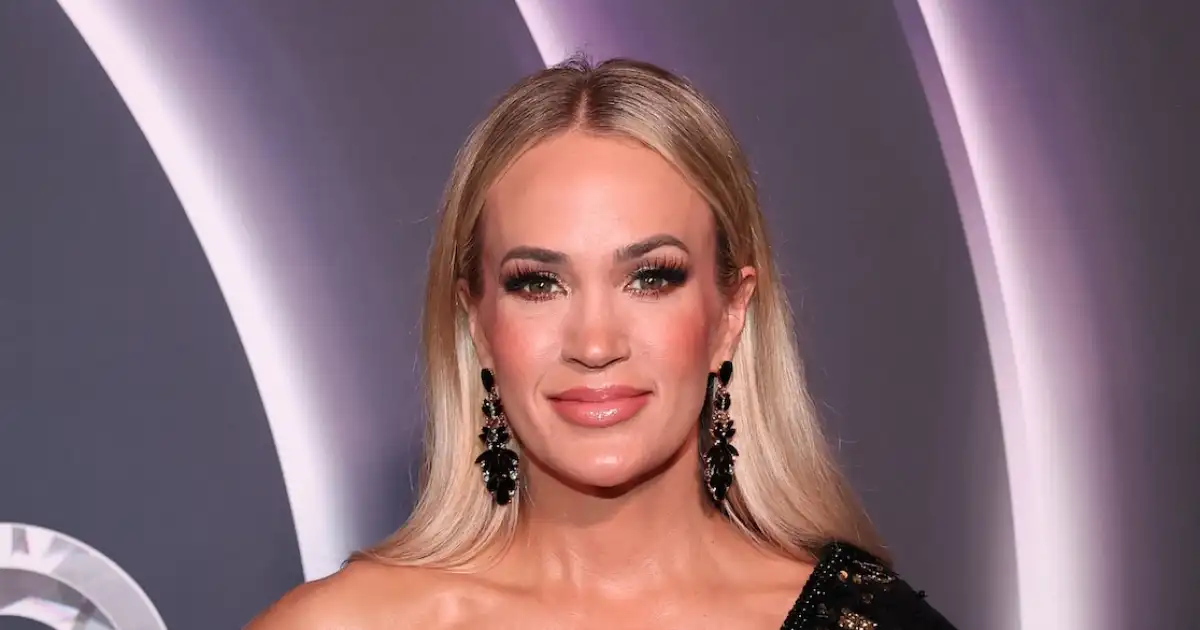
In the bright, bustling studio of American Idol, where dreams are forged and hearts laid bare, Carrie Underwood found herself moved to tears on a crisp February evening in 2024. As one of the judges alongside the legendary Lionel Richie and the charming Luke Bryan, Carrie, a 42-year-old powerhouse with a Grammy-winning voice and a life built on resilience, listened intently to season 24 hopeful Hannah Harper. The air was electric with anticipation, but what unfolded wasn’t just a performance—it was a raw, unfiltered glimpse into the soul of motherhood. Hannah, a young mother of three, took the stage, her voice steady yet vulnerable, delivering an original song called “String Cheese.” The lyrics painted a vivid picture of those overwhelming days: little hands pulling at clothes, cries echoing through the house, the chafe of endless demands. Carrie felt an instant connection, her own eyes glistening as memories flooded her mind—of late nights, sticky kisses, and the quiet exhaustion that comes with loving unconditionally. It was more than music; it was a mirror reflecting the unspoken struggles every parent knows, and in that moment, the room seemed to hold its breath, waiting for the emotional crescendo.
Hannah’s song wasn’t just entertainment; it was a heartfelt confession born from her battle with postpartum depression. As she explained to the judges—Lionel, with his gentle wisdom at 76, and Luke, the ever-optimistic country crooner at 49—she’d penned these words after a particularly low afternoon at home. Sitting on the couch, engulfed in self-pity, she prayed for peace, only to be interrupted by her son’s persistent pleas. “Mom, open this. Mom, open my cheese,” he begged, holding up that silly string cheese wrapper. Annoyed at first, Hannah reluctantly helped, and in that simple act, a revelation washed over her. She realized her role as a mother was her truest ministry, a divine calling amidst the chaos. Her lyrics captured the essence: “Hot Wheels and little people under my feet / Babies crying, it’s pure chaos, but I don’t miss a beat / Always knew that a nine to five wouldn’t suit me very good / But my hours are extended, that’s just motherhood.” It was a testament to the invisible heroes who juggle love and laundry, and Carrie, nodding along, saw herself in those words— the tireless mom who answers every call, yet sometimes yearns for silence.
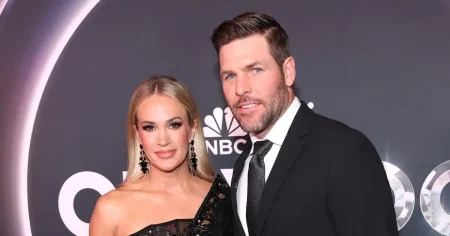
Underwood’s response was pure, unfiltered emotion. “That’s about the most relatable song I think I’ve ever heard,” she said, her voice breaking as she fought back tears, her blue eyes welling up like a storm on the horizon. As the mother of two boys—Isaiah, now 10, and Jacob, 7—with her devoted husband Mike Fisher, Carrie knew the weight of those lyrics all too well. She’d raised her sons amidst a whirlwind career, balancing sold-out tours with soccer practices and bedtime stories. In Hannah, she saw a kindred spirit, someone who transformed pain into art. “You might be my favorite person that’s walked through those doors,” Carrie confessed, her words spilling out like a long-overdue hug. She promised to root for Hannah relentlessly, even after the cameras stopped rolling. The trio of judges unanimously voted her through to the next round, but for Carrie, it was more than approval—it was affirmation. Lionel and Luke chimed in with their own praises, but it was Carrie’s vulnerability that made the moment timeless, reminding everyone that beneath the stardom lies a woman who understands the quiet battles of the heart.
Diving deeper into Hannah’s world, her story unfolded like a chapter from a heartfelt memoir. As a mom of three, she painted a picture of daily life that’s equal parts joy and exhaustion. That afternoon on the couch, wallowing in the heaviness of postpartum struggles, felt like the end of the world—until her son, innocent and insistent, pulled her back. “Everybody wants to touch you,” she told the judges, echoing the craving for solitude that mothers often suppress. Yet, in tearing open that cheese, she discovered a profound truth: her presence was purpose. God had placed her there, in the messy, beautiful center of family life, where ministry isn’t preached from a pulpit but lived in spilled milk and hugs. Carrie listened, her own motherhood reflected back at her, remembering the days when her boys’ laughter drowned out the doubts. It was a reminder that parenting isn’t about perfection; it’s about showing up, even on the bad days. Hannah’s vulnerability inspired Carrie, who thought of her own prayers muttered in hotel rooms after concerts, whispering for strength to be the mom her boys deserved.
Reflecting on her own journey, Carrie recalled candid moments shared with interviewers, revealing the relatable struggles behind the superstar facade. Back in 2016, chatting with Redbook magazine while navigating life with toddler Isaiah, she admitted the guilt that gnaws at working moms. “Accepting help is hard for me,” she’d said, her voice tinged with honesty. Touring the world meant hotel stays and bus rides, far from glamorous—her little boy bouncing between nannies and stages. Feeling torn between career highs and missing nap times, Carrie urged fellow moms: ask for help, let go of the guilt. She’d learned that turtles or elephants—whatever Isaiah craved at bedtime—were worth the sacrifices. Yet, the inner critic persisted; she felt bad leaving him with a sitter for a quick grocery run. These admissions humanized her, turning an idol into an ally for struggling parents everywhere. Carrie’s message was clear: motherhood isn’t a solo act; it’s a village, and it’s okay to need support.
Years later, in 2019, Carrie took to Instagram for another layer of vulnerability, sharing a gym selfie that spoke volumes. There she was, sweat-glistened and determined, but her caption revealed deeper truths. “I can’t run as fast or as far. I can’t lift as much,” she posted, confronting postpartum changes that left her body feeling unfamiliar. As a mom in her 40s, she’d battled feeling “hard” on herself, pushing through fatigue to reclaim her strength—not just for the stage, but for the role that mattered most. Through therapy, self-compassion lessons from Brene Brown, and long walks in the countryside, she’d learned to smile at her reflection. “I’m going to take it day by day,” she vowed, embracing her evolving body as a testament to life’s miracles—the two sons who called her “Mommy” and the music that connected her soul. In Hannah’s audition, Carrie saw echoes of her own growth, a reminder that motherhood, like auditions, is about progress, not perfection. Together, they inspired a wave of empathy, proving that even stars bleed and heal just like the rest of us.