



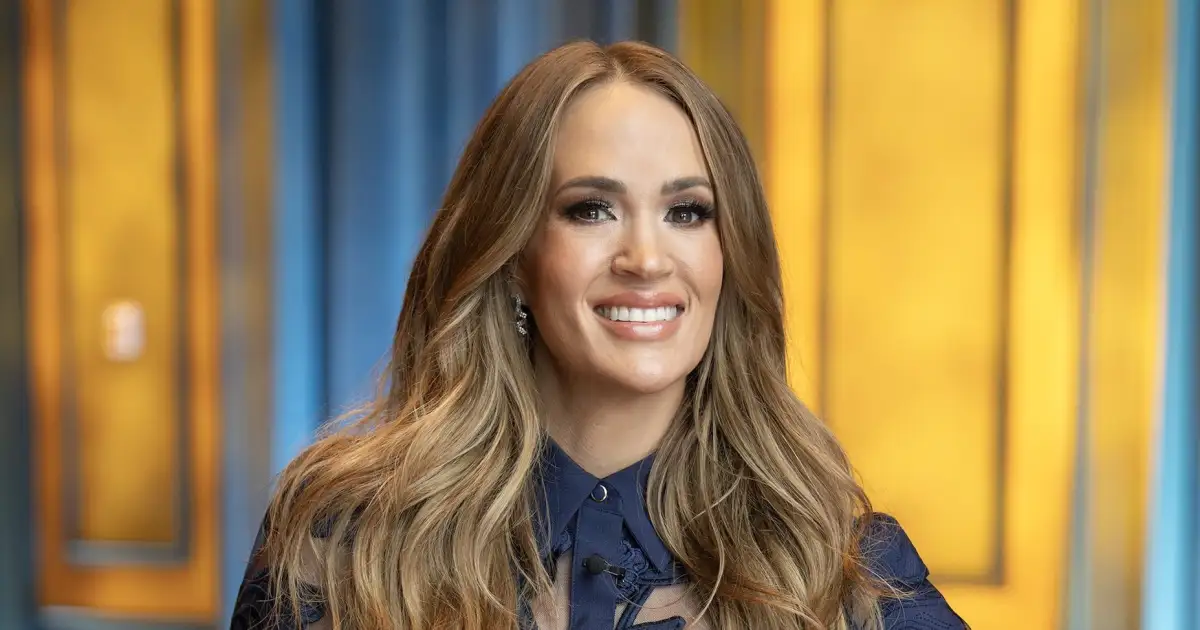
Carrie Underwood has always been the kind of star who wears her heart on her sleeve, blending fierce talent with a no-nonsense attitude that endears her to millions. So, when she took to the stage as a judge on the latest season of American Idol, it was no surprise that her straightforward critiques stirred up a bit of hometown drama. Picture this: Hollywood Week, filmed right in her beloved Nashville, where the audience was packed with locals who probably still see her as the girl next door who rocketed to fame. The boos started rolling in, loud and unrelenting, especially when Underwood dared to offer constructive feedback. But instead of shrinking away, Carrie embraced it with the kind of sass that’s become her trademark. “Boo me. I don’t care. 😂😜🤪,” she clapped back on X, proving she’s as entertaining off the mic as she is on it. At 42, she’s long past the point where criticism fazes her; after all, she’s faced down stadium crowds for years. This moment on Idol felt like a microcosm of her career—raw, real, and refreshingly authentic. Fans watching at home couldn’t help but smile at her playful defiance, seeing the human side of a woman who’s built an empire on grit and grace. It reminded us all that even icons like Carrie have to navigate the ups and downs of public life, turning potential setbacks into opportunities for connection. As the episodes unfolded, it became clear this wasn’t just about judging talent; it was about the tangible tension between a judge’s honesty and an audience’s loyalty. Underwood’s presence on the show has always been electric, but this clash added a layer of unpredictability that kept viewers glued to their screens. She’s no stranger to tough love, having honed that edge during her own rise to fame, and it’s this very blend of vulnerability and strength that makes her such a compelling figure.
Diving deeper into the Hollywood Week episodes, titled “Music City Takeover,” the booing escalated during every broadcast, creating those cringe-worthy moments that make reality TV so addictive. Underwood’s critiques were spot-on and meant to push contestants forward, but the live crowd in Nashville didn’t always see it that way. They cheered wildly for the hopefuls, their energy palpable, but when Carrie spoke up, the atmosphere shifted. Fellow judge Luke Bryan, the easygoing country crooner at 49, tried to defuse the tension by reminding everyone of Underwood’s own victory on Idol in season 4. “She only won this. She knows,” he said, his voice carrying that folksy charm. Yet, the boos persisted, and Carrie, ever the sharp-tongued diva, shut them down with a simple truth: “You’re not included in the discussions.” It was a power move that underscored her authority, yet it also highlighted the show’s dynamic nature—live audiences can turn a straightforward talent contest into a heated debate. This friction wasn’t new; American Idol has always thrived on such drama, from sudden eliminations to fiery judge outbursts. Underwood’s ability to stand her ground amidst the noise showcased her resilience, a trait she’s carried from her early days as an underdog in the music world. Imagining the backstage energy, you can picture Carrie sipping coffee between takes, laughing off the negativity, fully aware that her role is to be the voice of reason, even if it ruffles a few feathers. It’s this unapologetic realness that fans admire, turning her into a relatable superstar who’s been there, done that, and isn’t afraid to call it like she sees it.
One standout incident epitomized the whole ordeal: the audition of contestant Mor, who bravely chose to perform an original song. The stage was set with an incredible band ready to back him, but Mor went solo with his creativity, and that’s where Underwood drew the line. “In a room like this for you to bring an original song with that incredible band sitting behind you twiddling their thumbs, I feel like it was a missed opportunity,” she remarked, her tone direct yet fair. True to her prediction, the crowd erupted in boos the moment she began her feedback. It was almost poetic—an ode to the unpredictability of live TV. Mor, despite the lukewarm review, advanced thanks to the judges’ consensus, including Luke Bryan and Lionel Richie. But Underwood doubled down after the show, posting on X: “Singing original music is SUCH a gamble at this stage in the competition. Don’t. Waste. The. Band. Mor’s voice and previous audition kept him in. I wanna hear his original music after he’s a big star!” This sparked endless debates in fan forums, with supporters praising Carrie’s wisdom and detractors accusing her of being too harsh. Yet, it humanized the judging process, showing how even seasoned pros like her weigh hard choices. Mor’s story added a personal touch to the season, reminding viewers that behind every audition is a real person chasing a dream. Carrie’s commentary, though blunt, stemmed from her own journey—years of crafting hit songs that define country music. It wasn’t just criticism; it was mentorship dressed in tough love, the kind she’s passionate about sharing on a platform as influential as Idol. This moment turned viewer discussions into reflections on creativity versus convention, making the show feel alive and relevant in a world obsessed with originality.
Underwood’s attitude throughout this saga was nothing short of inspirational. She predicted the backlash before the episodes even aired, tweeting a spoiler alert: “Spoiler alert…I get booed A LOT from our Hollywood Week audience @AmericanIdol.” It was her way of owning the narrative, transforming potential embarrassment into empowerment. Fans flocked to her social media, sharing memes and stories of their own run-ins with hecklers, creating a wave of support. Carrie’s emojis and playful taunts painted her as the anti-drama queen—someone who laughs in the face of adversity. This wasn’t the first time she’d faced public scrutiny; her career has been peppered with moments where her opinions sparked controversy, from feud rumors to bold fashion statements. But on Idol, it worked in her favor, drawing more attention to the show. As a mom, performer, and now judge, she brings a depth that’s missing in fluffier celebrity appearances. The boos fed her fire, as she admitted: “Bring it on. I love it! Your boos are feeding me.” It was a metaphor for her enduring charisma—criticism as fuel, not fracture. Viewers saw a woman embracing her authenticity, proving that stars don’t have to be perfect; they just have to be genuine. In an era of curated online personas, Carrie’s unfiltered response felt refreshing, inviting fans to root for her all the more. It also highlighted the evolution of American Idol, from a pure singing competition to a character-driven spectacle where judges become protagonists.
Joining the Idol panel for season 23 marked a homecoming for Underwood, replacing Katy Perry after her seven-year stint. Flanked by Bryan and Richie, she stepped into a role that resonated with her roots. “I went from nobody knowing my name to tens of millions of people watching the show,” she reflected upon her debut, her voice tinged with nostalgia. It was a powerful statement from someone who’s now the biggest-selling female country star, boasting over 22.5 million albums and 72.5 million singles per the Recording Industry Association of America. Her artistry spans chart-toppers like “Before He Cheats” to Grammy wins, building a legacy that’s both commercial and cultural. On Idol, her presence added credibility, as she’s walked the path these contestants aspire to. Fellow alumni cheered her on, seeing her as a bridge between the show’s past and future. This chapter in her life isn’t just about judgment; it’s about giving back, sharing the wisdom from her journey. Fans reminisced about her own Idol days, where her voice melted hearts and her determination won the crown. Now, she’s passing that torch, her critiques aimed at fostering greatness. It humanized her image further, showing a star who’s invested in lifting others up. Season 24, airing on Mondays at 8 p.m. ET on ABC, promised more of her no-holds-barred style, with viewers excited for the drama she stirs.
Perhaps the most heartening endorsement came from Kelly Clarkson, her fellow Idol winner turned Voice coach, who raved about Carrie’s addition to the panel. “What better person to have—somebody that’s won that show to come back,” Clarkson told E! News, her words echoing the sentiment of many. At 43, Kelly understood the value of Carrie’s experience, calling her an “awesome pick” for idol. “To have somebody to look at and go, ‘OK, they’ve done it and they’re sitting right there. So, that means I am capable of doing it. I can dream that big.’ … I think she’s gonna do great.” This sisterhood among winners added emotional weight to Carrie’s role, reminding audiences that success is replicable. Kelly’s decade on The Voice gave her insight, and her praise underscored Carrie’s mentorship potential. In interviews, fans shared stories of how Carrie’s story motivated them, from aspiring artists to everyday dreamers. Her accomplishments extend beyond numbers; she’s a philanthropist, advocate, and role model. The boos on Idol, far from detracting, amplified her relatability, proving that even legends face doubt. As the season progressed, her interactions became highlights, blending humor with heart. It was a testament to her lasting appeal—unwavering spirit in a spotlight that can dim lesser lights. Ultimately, this episode in Idol history showcased Carrie Underwood not just as a judge, but as a force of nature who thrives on challenge, inspiring generations to boo negativity and sing their own truth. Her human story, filled with triumphs and tantrums, makes American Idol richer, more riveting, and undeniably real.