




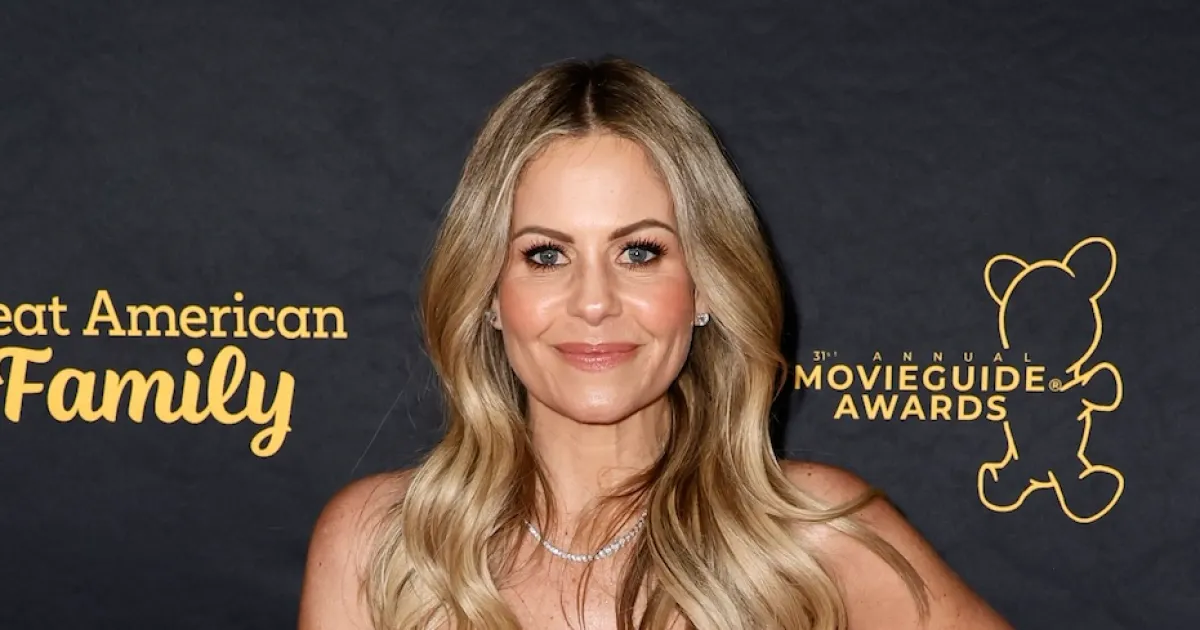
I’ve always believed in being real with people, even when it’s uncomfortable, and that’s exactly what my podcast, “The Candace Cameron Bure Podcast,” has turned into—a safe space for the messy, wonderful parts of life. At 49, after years in Hollywood playing wholesome roles like D.J. Tanner, it’s refreshing to shed the actress persona and dive deep into topics that most of us grapple with behind closed doors. From the rollercoaster of my nearly 30-year marriage to Valeri Bure, to my long struggle with bulimia, and even the awkwardness of sex talks with my kids, I’ve been open about it all. It’s not just me spilling tea; it’s me sharing wisdom I’ve gained through trial and error, with a hearty dose of humor to lighten the load. Laughter and tears have been my constant companions on these episodes, reminding me that vulnerability isn’t weakness—it’s strength. I’ve learned that talking about our flaws humanizes us all, connecting us in ways that feel profoundly, achingly real.
One episode that really stirred things up was when I confessed something that still creeps me out after all these years: the idea of God watching me have sex. Sounds wild, right? But there I was, laughing and squirming as I admitted it on the show in March. It’s funny how childhood lessons stick around like that stubborn shadow, lingering from my formative years. I grew up with certain religious teachings that painted intimacy as something intimate yet overseen, and even at nearly 50, those teenage anxieties pop up unexpectedly. It depends so much on your upbringing, I explained—what you learned about love, bodies, and boundaries. We all have those little mental barriers, and for me, it’s that visual that throws things off. It’s a mix of reverence and ridiculousness, making me chuckle even as I ponder it. We’ve got to embrace these quirks, because denying them only keeps us from truly connecting in relationships. It’s part of what makes human sexuality so beautifully flawed and full of discovery.
Speaking of relationships, my marriage to Val has been anything but a fairy tale, and I laid it bare in a January episode when we talked about hitting patches where everything feels stagnant. Thirty years next year—wow, when I say it out loud, it sounds generations long! We’ve had dizzying highs, like celebrating our love milestones, but also those plunging lows where you just sit in the “shallow end of the valley,” as I called it. It’s not catastrophic; it’s life happening, pulling at the threads of patience. I remember those times when I felt stuck, unsure how to broach the tough stuff without hurting each other. Lack of courage and honesty plays such a big role in that rut—we’d skirt around issues to avoid the sting. But looking back, we plowed through, emerging stronger by leaning into communication. Marriage isn’t perfect; it’s a dance of compromise, love, and grit. Sharing this on the podcast felt cathartic, like a reminder that if you’re willing to ride the waves, you come out better for it.
One of the hardest moments I ever shared was confiding in Val about my battle with bulimia—I still get emotional thinking about it. There was a time when I hid it deep, sneaking around our own home while pretending everything was fine. It gnawed at me, that isolation from my husband, the person I shared my life with. Bulimia’s tricky; it whispers lies about control and perfection, trapping you in a cycle of shame. Finally confessing was terrifying—I felt exposed, scared of judgment. But Val’s response? Pure compassion, no condemnation. He listened, held space for my tears, and helped me step toward healing. That relief was indescribable, like exhaling after holding your breath for years. It’s why I urge others to speak up; secrets fester, but honesty invites camaraderie. Vulnerability in marriage isn’t just good—it’s essential for growth, turning pain into a bond that feels unbreakable.
When it came to talking to my kids about sex, I went all in, and let me tell you, it wasn’t always smooth sailing. In a February episode, I recounted how I made it a point to keep those conversations open and even fun once they were old enough. No sugarcoating or awkward silences— I wanted them to feel safe, empowered, and unafraid. Sure, there were eye rolls and “Mom, stop!” groans, because kids love grossing out their parents on purpose. I embraced it, turning facts about bodies, consent, and love into lighthearted chats, no shame in sight. It’s heartwarming to think back; I wanted them to grow up knowing sex isn’t taboo—it’s natural, joyful, and worthy of respect. Humanizing it this way prevents the secrecy that leads to confusion. As a mother, sharing this on the podcast feels like passing on that torch, reminding everyone that stigma starts breaking when we normalize the dialogue.
In the end, these stories from my podcast highlight the raw, relatable journey of womanhood, marriage, and self-discovery. I’ve poured out my heart, from quirky sex anxieties to the courage of admitting flaws to my loved ones, and it’s reminded me how interconnected we all are. Life’s not scripted like a TV show; it’s messy, funny, and profound. By humanizing these experiences, I hope to inspire others to embrace their truths, laugh at the absurdities, and lean into the hard conversations. That’s the beauty of sharing—it turns solo struggles into shared wisdom, fostering connection in a world that often feels disconnected. To anyone listening or reading, you’re not alone in this dance of highs and hurdles. Let’s keep the conversations going, one honest reveal at a time.