



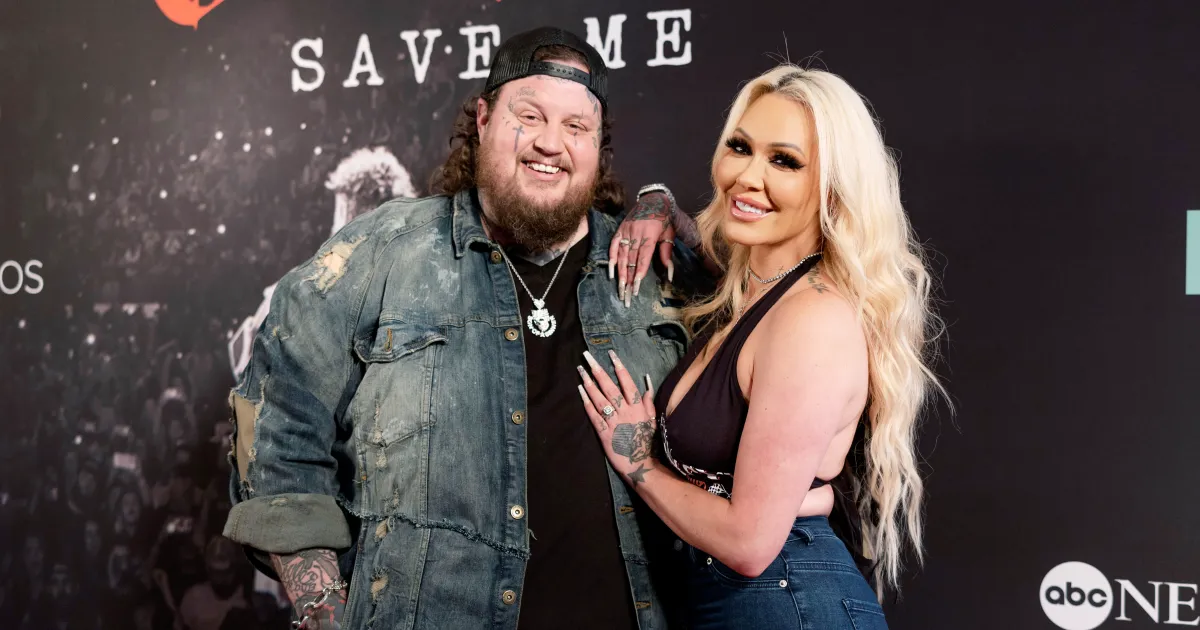
In the raw and courageous pages of her new memoir, “Stripped Down: Unfiltered and Unapologetic,” Bunnie Xo, a 46-year-old force of nature, opens up about a life marked by relentless challenges and hard-won triumphs. As a popular podcaster and public figure known for her bold “Dumb Blonde” show, where she invites others to bare their souls, Bunnie realized no one really knew the full depth of her own story—snippets shared here and there, but the raw core always tucked away. Writing it all down was cathartic, a journey of reflection that left her marveling at her own survival. “I made it through this,” she told Us Weekly, her voice laced with relief and strength. She didn’t shy away from naming names, changing most for privacy, but boldly noted how supportive her circle was—even ex-boyfriends cheering her on. Through the process, Bunnie discovered truths about herself, like her addiction to toxic relationships, romanticizing pain because no one ever saved her. Now, with her “knight in shining armor,” Jelly Roll, she’s at peace, no longer chained to the past. Imagine the weight of carrying such scars, yet choosing to share them not as a victim, but as a survivor who wants others to feel seen.
Her childhood was a minefield of betrayal and horror that no child should endure. As a tiny five-year-old, Bunnie was allegedly forced by her stepmother’s sister to watch porn, etching images into her mind that twisted innocence into confusion. Even younger, at two or three, she stumbled upon her father in intimate acts with other women, later witnessing him consume porn openly as she grew. But the violations didn’t stop there; at just five, she was molested by the son of a family friend, a predator who violently raped his own sister and later festered in prison for serial attacks. These early wounds shaped her, leaving deep imprints of shame and resilience. It’s heart-wrenching to think of a child navigating a world where adults fail so profoundly, where trust is shattered before it can form. Bunnie recounts it all with unflinching honesty, inviting readers to feel the ache of those stolen years, and yet, her story is one of emerging unbroken, a testament to the human spirit’s quiet grit.
Venturing into teenage years and beyond, Bunnie’s path diverged into risky explorations of sex, loss, and escapism that mirrored her fractured beginnings. At 16, she lost her virginity to a boyfriend whose inexperience made the moment awkward and unfulfilling—he was “so small,” just lingering at the edge, while she, in a moment of misguided self-reliance, had already “popped her own cherry.” Shortly after, a pregnancy scare led to an abortion that unleashed excruciating pain and lasting consequences. The doctor, indifferent to her screams, “shoved like a vacuum,” leaving her insides forever altered and setting the stage for future ectopic pregnancies, miscarriages, and fertility battles. Turning to drugs as an escape from the pain, Bunnie dove into chaos: snorting coke, doing meth until she overdosed and lay paralyzed for days, mixing X with heroin, even resorting to cocaine enemas—slippery highs learned from tricks during her sex work days. These choices paint a picture of desperate numbness, a young woman chasing oblivion to outrun invisible demons. But beneath the haze, her words reveal a humanity clawing toward light, urging empathy for those whose coping mechanisms come at such personal cost.
Relationships in her early life swirled with danger and devastation, often mirroring the abuse she fled from as a child. At 16, she endured rape by an older man, followed hours later by another assault attempt from his frat buddy, leaving her body and spirit bruised. For years, she stayed in a toxic bond with an ex she calls Karma, enduring horrific violence that blackened her eyes, cracked her orbital bone, and nearly cost her sight—the kind of injuries doctors said only dead women bore. Doctors urged her to flee, but like many, the grip of familiarity held tight. Other men dotted her journey: Tony, linked to a heartbreaking miscarriage that sent her to self-harm, his later suicide a ghost that haunts; Mark, who mocked her during a suicide attempt; abusive Eric with his domestic charges. Marrying Paulie during her sex work beginnings, she entered a world of crime, his family entangled in FBI raids and racketeering. These stories aren’t just tales of woe; they’re intimate portraits of a woman misguiding herself in love, addicted to the illusion of saving or being saved. It’s easy to judge from afar, but humanizing Bunnie means seeing the lonely girl inside, yearning for stability in a storm—her triumphs coming from finally breaking free and loving wisely.
Finding love with Jelly Roll brought a new chapter, one rife with hurdles but anchored in mutual understanding. They rushed into marriage in 2016, then parenthood to a traumatized seven-year-old in 2017, and sobriety in 2018—a whirlwind that tested their frayed edges. Jelly’s infidelity stung deeply, nearly pushing Bunnie to the brink of suicide, yet she chose to stay, viewing their traumas as shared burdens, not excuses. “We both carried lifetimes of baggage,” she writes, empathizing despite the pain. Rumors of an open marriage swirled, but Bunnie embraced it at Jelly’s urging, accepting him for who he is rather than reshaping him. It’s a profound act of love, not naivety—seeing the coin’s flip sides, forgiving where once she might have scorned. Her marriage humanizes her further: a woman maturing into forgiveness, turning chaos into a sanctuary, proof that love, even flawed, can heal old wounds if met with grace.
Her rugged career as a sex worker, punctuated by humbling and liberating moments, underscores her unyielding drive to survive. From her awkward debut fiasco—farting mid-dance in front of leering eyes—to her first paid encounter, a hasty two-minute ride shared with two other women for quick cash, it was a gritty grind. Playboy scouts once deemed her “too heavy” at 120 pounds, yet she faked intimacy for their cameras to earn. Drugs often fueled the nights, and cocaine enemas became notorious highs. But success bloomed; after decades, her “Dumb Blonde” podcast morphed into OnlyFans stardom, netting $50,000 in a month and sealing her exit from the industry. Family ties, or the lack thereof, added sorrow—she omitted her sisters,Forgave her drug-addicted, schizophrenic mother after abandonment at three months, attempted reconciliation amid her enlarged heart from years of neglect. Her father, married eight times, hid cancer for decades to preserve his libido, died rejecting her help and leaving her out of his will, resenting her security. Bunnie carries their burdens with a heavy heart, likening their roles to reversed lifetimes. In every revelation, her humanity shines: not just a life raw and shared, but a beacon for anyone feeling unseen, proving resilience builds bridges from the deepest broken places.