






Paragraph 1: A Family Torn Apart in Suburban Shadows
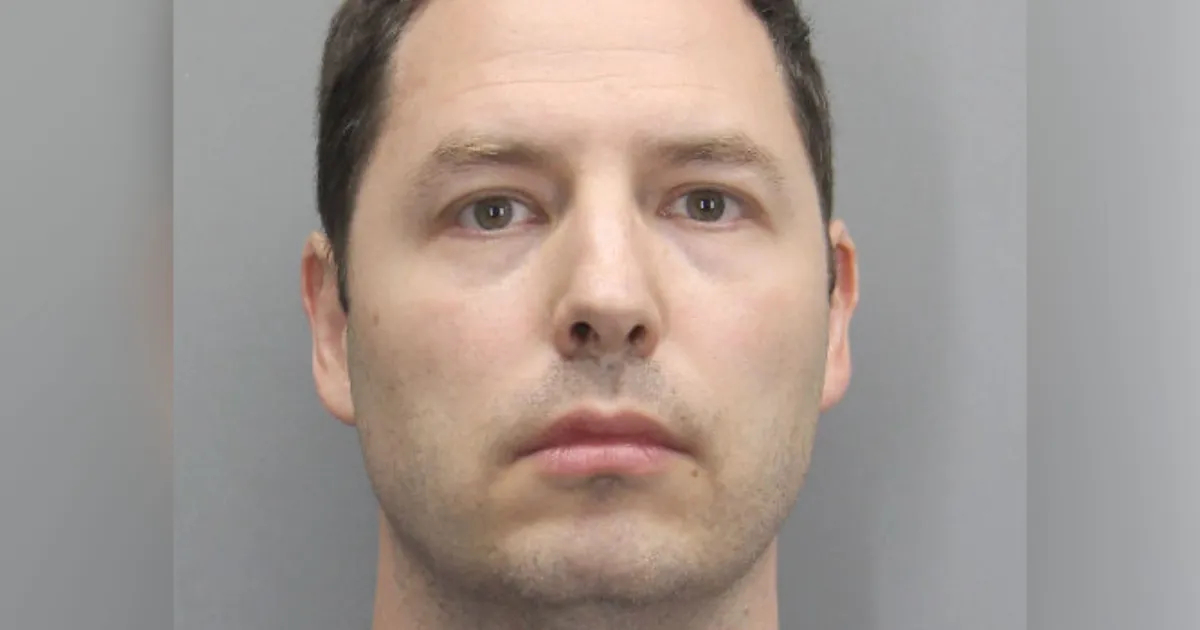
In the quiet suburbs of Fairfax, Virginia, where manicured lawns and white picket fences mask the complexities of American life, the Banfield family once appeared picture-perfect. Brendan Banfield, a 40-year-old former IRS agent, had built a life that many envied: a devoted wife, Christine, who was just 37 when her world ended tragically in February 2023, and their young child, the apple of both parents’ eyes. Christine, with her warm smile and nurturing spirit, worked tirelessly balancing career and motherhood, while Brendan handled the home front with precision and care. Their home, a beacon of stability, welcomed help in the form of 25-year-old Brazilian au pair Juliana Peres Magalhães, who arrived in late 2021 to assist with daily chores and childcare. But beneath this facade lurked undertones of discontent. Brendan, testifying in Fairfax County Circuit Court on January 29, 2025, painted a picture of a marriage that, despite its cracks, brimmed with love and genuine happiness. “I loved my wife very much,” he told the jury, his voice steady but laced with emotion. “We were happy together.” Yet, as the trial unfolded, it became clear that infidelity had crept into their story, complicating an already harrowing tale of betrayal, violence, and loss. Brendan admitted the affair openly, describing it not as a deep passion but a fleeting, “casual” connection that began in August 2022. He portrayed himself as a man caught in the throes of human weakness, not malice. Sitting in the witness box, surrounded by attorneys in suits and jurors scribbling notes, Brendan seemed more like an everyday husband grappling with regret than a calculated killer. The courtroom buzzed with whispers; how could such an ordinary man find himself accused of orchestrating the brutal murders of his wife, Christine, and another man, Joe Ryan? As he spoke, one couldn’t help but feel a flicker of sympathy for the widower, whose testimony revealed layers of emotional turmoil—the pain of losing a spouse, the guilt of unfaithfulness, and the weight of defending his innocence against the prosecutor’s damning narrative.
The affair, Brendan insisted, wasn’t his idea. It started innocently enough, he claimed, when Juliana initiated things one night while Christine was out of town. Brendan described how the young au pair, with her vibrant energy and exotic allure, followed him into his bedroom. “I did nothing to stop her,” he testified, his words echoing a mix of vulnerability and reluctance. Yet, he emphasized, this wasn’t a grand romance; it was sporadic, not serious. For a man who’d dedicated years to his career in tax enforcement, enforcing rules and uncovering truths, this betrayal felt like a stark contradiction. Brendan shared glimpses of intimate moments: stolen glances, whispered conversations, but nothing that hinted at plotting doom. Friends and neighbors who knew the family spoke of Brendan’s reliability—a dependable father who coached Little League and hosted barbecues. But now, in court, he faced questions that exposed the messy underbelly of relationships. Did the affair signal deeper unhappiness? Brendan deflected, noting that both he and Christine had strayed before, a mutual acknowledgment in their marriage that kept them connected. This human element made the case resonate; affairs happen in many homes, but rarely do they escalate to murder. As the trial progressed, Brendan’s story humanized the accused, reminding everyone that behind headlines of horror lies a man mourning his wife’s death while defending a version of events that paints him as a victim of circumstance. The jury listened intently, perhaps seeing not a monster, but a flawed partner grappling with desires that spiraled out of control. Societal judgments aside, Brendan’s testimony underscored the fragility of trust in modern marriages, where open secrets can mask deeper rifts. By the end of his session on the stand, the atmosphere in the courtroom shifted—empathetic nods replaced skeptical stares, hinting that the human heart, with all its contradictions, might yet sway the scales of justice.
Paragraph 2: Whispers of Infidelity and Unspoken Desires
Diving deeper into the heart of the matter, Brendan’s affair with Juliana Peres Magalhães emerged as a central thread in the courtroom drama, revealing how subtle attractions can unravel lives. At 25, Juliana embodied youth and vitality, a contrast to the more settled rhythms of the Banfield household. Hired to help with the child and daily routines, she quickly became a fixture, her presence sparking an undercurrent of tension. Brendan described their encounters as spontaneous, rooted in physical chemistry rather than emotional depth. He recalled late-night exchanges after Christine dozed off, times when laughter turned to lingering touches. “It was casual,” he reiterated, downplaying any notion of a profound bond. But prosecutors painted a different picture, alleging that this “casual” affair morphed into a sinister pact. For audiences following the case, it prompted reflections on the complexities of desire: how a momentary lapse can feel liberating yet destructive. Juliana’s background added intrigue—she came from Brazil chasing dreams, only to find herself entangled in a web of deception and death. Brendan testified that she initiated the advances, positioning himself as passive, almost reluctant. “She followed me,” he said, drawing nods from his defense team. This portrayal humanized him further, casting the affair as an act of human longing rather than premeditated plotting. Friends testified in pre-trial statements about overheard flirtations, yet Brendan maintained his marriage thrived despite the infidelities. “We cheated on each other, but we loved each other,” he explained, a candid admission that felt raw and honest. Such confessions resonated in an era where open relationships and ethical non-monogamy are increasingly discussed, yet tragic outcomes like this serve as cautionary tales. The affair wasn’t just about forbidden thrills; it spoke to broader themes of loneliness in suburbia. Brendan, once a focused professional, hinted at midlife restlessness, using his stand to express genuine affection for Christine. “I wanted to continue being married to her,” he affirmed, his eyes welling up. This emotional plea challenged the prosecution’s motive of jealousy-fueled murder, inviting viewers to empathize with a man who claimed his fidelity wavered but never faded. Juliana, awaiting her own sentencing after pleading guilty to manslaughter, remained a ghostly figure in the narrative—her October 2024 testimony a stark counterpoint to Brendan’s. Through it all, the trial illuminated the blurred lines between passion and possession, forcing jurors to confront how ordinary infidelities can escalate into unimaginable horrors. Brendan concluded his thoughts on the affair by dismissing accusations of a grand conspiracy, calling them “absurd” and “crazy.” His words painted a picture of domestic normalcy disrupted, not by malice, but by fleeting human impulses.
Paragraph 3: The Horrific Night Unfolds in Chaotic Reality
As the trial delved into the events of February 24, 2023—the fateful day that shattered the Banfields—the courtroom fell silent, entranced by Brendan’s chilling recount of a night that started innocently but devolved into bloodcurdling chaos. Brendan testified that the evening began with routine: him upstairs, presumably tucked away while Juliana handled household duties below. The prosecutors alleged a different motive—a premeditated setup involving Joe Ryan, a 35-year-old BDSM enthusiast lured to the scene via a fake account on a fetish dating app. Christine’s name was allegedly used, promising rough sex and instructing Ryan to bring a knife. But Brendan staunchly denied any knowledge of such a plan. “There was no plotting,” he insisted, his voice rising with conviction. According to him, he heard moans from the upstairs bedroom and rushed in, discovering his wife entangled in a violent altercation with Ryan. “Brendan, he has a knife,” Christine shrieked, her words piercing the air like a death knell. Startled, Brendan ordered Ryan to drop the weapon, but Ryan, fueled by rage or miscalculation, refused. “He said she was his,” Brendan recounted, miming the shock of the moment. “And Christine yelled and moaned—I didn’t want to shoot him; I wanted him to let her go.” In that heartbeat, panic reigned: Brendan fired his gun in what he described as self-defense, fatally wounding Ryan. But the nightmare didn’t end there. As Brendan tended to Christine’s stab wounds, bleeding and desperate, he claimed Juliana entered and shot Ryan again, ensuring his death. “I was stunned,” he testified, describing a scene of surreal horror where trust evaporated amid screams and gunfire. Human elements flooded the testimony—the raw fear of a husband failing to protect his partner, the betrayal scrawled across a family home. Prosecutors called it staged: a murder plot where Ryan was shot first, Christine stabbed, and the bedroom arranged to mislead investigators into thinking Ryan assaulted her before Brendan “heroically” intervened. Brendan, however, painted a portrait of reactive survival, his actions born of love, not Guile. Jurors listened to forensic experts detail blood spatter and timelines, yet Brendan’s narrative added flesh to facts, evoking empathy for a man caught in mayhem. The irony wasn’t lost: a tax enforcer, symbolic of order, thrust into anarchy. This recounting humanized the tragedy, shifting focus from cold evidence to visceral emotion—the terror of a spouse in peril, the numb aftermath of violence. Christine, whose life ended abruptly, became more than a victim; through Brendan’s lens, she was a beloved mother and wife, her final moments a cry for help unanswered. As he concluded, tears streamed down his face, revealing the profound grief that fueled his defense. The night reshaped lives forever, leaving questions about what truly transpired in that upstairs room.
Paragraph 4: Echoes from the Au Pair: A Tale of Alleged Conspiracy
Contrasting sharply with Brendan’s account, the prosecution’s narrative hinged on Juliana Peres Magalhães’ October 2024 testimony, delivered as a state’s witness eager for leniency in her manslaughter plea. The young au pair, once a quiet helper in the Banfield home, transformed into a critical storyteller, alleging that the affair evolved from casual flings into a meticulously planned assassination plot. Juliana claimed Brendan confided his desire to eliminate Christine, the mother of his child, to clear the path for their romance. “He wanted her dead so we could carry on,” she testified, her words resonating with jurors and unraveling the accused’s defense. Over months, they allegedly fine-tuned details: creating a fraudulent profile on a fetish app under Christine’s name to attract Joe Ryan, an unwitting participant in what prosecutors framed as a honey trap for rough, knife-involved encounters. Ryan, drawn in by promises of thrills, arrived armed as instructed, unsuspecting of the deadly ambush awaiting him. Juliana described late-night meetings where the two plotted, discussing how to stage the crime to appear as a thwarted attack—Ryan would appear the aggressor, Brendan the rescuer. This portrayal portrayed Juliana not as a misled accomplice, but as a duped young woman initially excited by the affair, only to recoil in horror as plans solidified. Her humanity shone through admissions of fear and manipulation; she spoke of Brendan’s charm masking sinister intentions, leaving her trapped in a nightmare of lies and lethal secrets. Defense attorney John Carroll countered with vigor, highlighting inconsistencies in her story—minor details shifting under cross-examination, perhaps tainted by ulterior motives. Carroll pointedly noted Juliana’s dealings with true-crime authors and Netflix producers, suggesting she profited from the spectacle. “She’s monetizing tragedy,” he argued, casting doubt on her credibility and motives. Yet, for onlookers, her testimony added depth to the couples’ bond’s dark side, raising questions about power imbalances in affairs. How could a cultural outsider like Juliana navigate such treacherous waters? Her plea for reduced charges underscored personal stakes, blending remorse with self-preservation. This clash of testimonies humanized the trial’s divide: two lovers’ accounts splitting like fractured glass, each vying for truth. Julie’s narrative evoked pity for the vulnerable youth ensnared in adult machinations, while underscoring themes of exploitation. As closing arguments loomed on January 30, many reflected on how greed, lust, and betrayal can forge lethal alliances, forever altering lives touched by this suburban saga.
Paragraph 5: Banfield’s Stand: Love, Denial, and Raw Humanity
Taking the witness stand in his own defense on January 29, Brendan Banfield seized the moment to reclaim his narrative, transforming a high-stakes trial into a deeply personal reckoning. Faced with four aggravated murder counts that could imprison him for life, Brendan articulated a defense rooted in love, impulse, and survival rather than calculation. He began by unequivocally addressing his affection for Christine: “I loved my wife very much,” he declared, his tone earnest as he gazed at the empty chair symbolizing her presence. Memories flooded his testimony—etches of shared joys, weekend trips, and the quiet tenderness of raising their child together. Despite the affair, Brendan insisted their marriage endured; cheating was mutual, a shared imperfection that didn’t erode their bond. “We were happy,” he reiterated, countering prosecutors’ portrayal of him as a jealous husband obsessed with dispensing his wife. This focus on emotional authenticity humanized Brendan, revealing a man mourning not just guilt but true loss. When questioned about the alleged plot with Juliana, he dismissed it as “absurd,” his words laced with incredulity. “No plan was made,” he asserted, describing the encounter with Ryan as chaotic defense, not premeditated murder. Under cross-examination, Brendan maintained composure, painting himself as a protective spouse thrust into horror, the shooting a reluctant act to save Christine’s life. Defense attorney John Carroll amplified inconsistencies in Juliana’s version, questioning her foresight and financial incentives—ties to media deals that could turn her into a celebrity. Hearts in the courtroom ached for Brendan as he described the stabbing scene, his voice breaking while recounting tending wounds. This vulnerability bridged gaps, inviting empathy for a father haunted by fractured family dreams. Brendan acknowledged flaws openly, admitting the affair’s toll yet denying it drove violence. His testimony reflected societal truths: marriages withstand infidelities, but allegations of murder amplify personal pains. Friends’ affidavits echoed his claims of fidelity’s double standards, highlighting how affairs don’t always signal malice. For 40 years, Brendan had lived by rules; now, defending against life behind bars, he embodied perseverance. As testimony wrapped, closing arguments pending, Brendan’s stand underscored humanity’s messiness—love entangled with mistakes, pride with pleas for fairness. The jury watched, perhaps seeing a relatable everyman, not a calculated killer.
Paragraph 6: Reflections and Reckoning: Justice in the Balance
As the Fairfax courtroom emptied on January 29, the weight of Brendan Banfield’s testimony lingered, casting long shadows over a trial that had captivated and divided the nation. Closing arguments on January 30 would distill months of evidence into decisive pleas, with prosecutors urging life sentences for the four aggravated murder charges—Christine’s stabbing and Ryan’s shooting framed as orchestrated atrocities. Brendan’s defense countered with assertions of self-defense and lack of plotting, humanizing the accused as a grieving husband. Juliana Peres Magalhães, having pleaded guilty to manslaughter, faced her own reckoning, her testimony a double-edged sword securing leniency yet painting her as complicit. This saga, unfolding in Virginia’s heartland, provoked broader reflections on domestic strife: how infidelity’s ripples can birth violence, yet not always as envisioned. Families like the Banfields, once idyllic, now epitomized cautionary tales—reminders of hidden betrayals behind smiling facades. Banfield’s child, central yet absent, symbolized innocence lost, fueling debates on parental accountability. Societal impact reverberated; true-crime enthusiasts delved into details, media sensationalized, and legal ethics scrutinized. If convicted, Brendan faced institutional monotony, a far cry from suburban serenity. For Juliana, redemption loomed with reduced time, her life forever altered by reckless choices. The trial illuminated justice’s complexities: evidence versus emotion, motives versus memories. As jurors deliberated, empathy clashed with culpability, urging temperance. Brendan, bidding to clear his name, hoped for home’s embrace anew, embracing therapy and vows of fidelity. This story, tragic yet instructive, underscored human frailty—passions’ liberations and destructions. Ultimately, judgment promises resolution, yet echoes of love, loss, and loyalty endure, shaping hearts long after verdicts. In suburbia’s quiet, lessons linger: guard trust, scrutinize desires, lest shadows engulf light.