

In the ever-evolving world of television, where dramas flicker to life on screens big and small, changes behind the scenes can feel like a plot twist in a wildfire story. Imagine being a fan of CBS’s hit show Fire Country, a series that’s built a roaring reputation around firefighting heroes battling blazing infernos and personal demons. Just as viewers were getting cozy with the fourth season’s intense dramas, news broke in January 2026 that showrunner Tia Napolitano was stepping away. It was a surprising exit for someone who’d been at the helm since the show’s 2022 premiere, helping transform Fire Country from a fledgling series into the cornerstone of what’s being called a “growing universe.” Napolitano had poured her heart into crafting tales of courage, family, and survival, making it easy for fans to feel invested in characters like Bode Donovan, the convict-turned-firefighter with a knack for chaos. CBS executives Amy Reisenbach and David Stapf praised her tirelessly, calling her instrumental in steering the ship through stormy seasons and expressing gratitude for her contributions. They hinted at future collaborations, leaving fans hoping she’d pop up in another riveting project, much like a favorite character stepping out for a cameo before riding off into the sunset.
What made Napolitano’s departure sting a little more was the timing—right after she’d spilled some juicy spoilers to Us Weekly in December 2025 about what awaited in the rest of season four. Sitting down for that exclusive chat, she seemed genuinely excited, her words bubbling with the kind of insider energy that makes showrunners feel like confidants. “You should be worried,” she teased, painting a vivid picture of Bode and his brother Tyler trapped in a fire shelter amid a raging blaze—those cramped spaces built for one person suddenly housing two lives hanging in the balance. It sounded heart-pounding, like something out of a real-life emergency, where every second counts and mistakes can burn bridges forever. Then there was Jake and his brother dangling over a cliff’s edge, their vehicle flipping repeatedly as heads smacked against hard surfaces, leaving viewers on the edge of their seats wondering who would make it out unscathed. Napolitano didn’t sugarcoat it: these weren’t easy comebacks, raw and unforgiving, forcing characters to fight tooth and nail just to survive. She promised a “huge twist” in the midseason premiere, that adrenaline-rush moment that could shatter expectations and rewrite loyalties. As a human, you couldn’t help but admire her passion, how she made the show’s chaos feel personal, like sharing a campfire story that keeps you up at night. It’s the kind of creative wizardry that turns binge-watching into an emotional rollercoaster, where you’re rooting for heroes not just to douse the flames but to heal the scars left behind.
Diving deeper into the Fire Country saga, it became clear that budget cuts were the unspoken villain nudging these changes along. Reports highlighted how these financial tweaks precipitated the exits of key actors Billy Burke and Stephanie Arcila, creating a ripple effect that left gaping holes in the cast. Burke, with his grizzled authority, and Arcila, bringing depth and nuance to her roles, had been integral threads in the show’s fabric, making their departures feel like losing family members in a disaster. Napolitano had shepherded the show through these turbulent times, weaving in departures with the same care she’d apply to a wildfire containment plan, ensuring the story didn’t collapse under the weight. Yet, as she reflected in her January 2026 statement, there was an undeniable pride in the four seasons: “I am beyond proud of the past four seasons of Fire Country. All of my gratitude to our cast, crew, writers, producers, fans, and of course CBS and CBS Studios. It’s been a beautiful ride!” It echoed her warmth, reminding us that even behind-the-scenes shifts are laced with human emotion—gratitude for a beautiful journey, a nod to the collaborative spirit that fuels TV magic. Fans, accustomed to the show’s tight-knit community feels, seethed with speculation about who’d step into her shoes. Multiple outlets like Deadline confirmed no replacement had been named yet, leaving a vacuum that heightened the drama. In a world where TV feels as urgent as a breaking news alert, this uncertainty mirrored the show’s own themes of adaptation and resilience, showing how budget woes could spark real-life upheavals, much like how a stray ember can ignite a whole forest.
Shifting the spotlight across CBS’s lineup, the trend didn’t stop with Fire Country; it spilled over into NCIS: Origins, the fresh prequel to the long-running NCIS franchise. Announced in January 2026, co-showrunner Gina Lucita Monreal was bowing out at the end of season two, leaving co-lead David J. North to carry the torch as the sole showrunner. It was a bittersweet change, especially since Monreal had been a beloved figure in the “NCIS family” for years, her departure signaling a turning point in the show’s evolution. Executives Reisenbach and Stapf echoed the sentiments shared for Napolitano, expressing deep gratitude for Monreal’s role in launching and nurturing the series, bringing to life intricate characters and high-stakes naval investigations. They assured fans that the creative foundation she’d helped build would endure, thriving like a well-rooted tree. Monreal’s own words revealed a tender reflection on the “biggest honor” of her career—working alongside North, the incomparable Mark Harmon, Sean Harmon, and a stellar cast and crew. Imagine the camaraderie on set, stories unfolding with the precision of a crime scene investigation, where every detail matters. She thanked CBS for their unwavering support, her statement bubbling with excitement for season three’s potential, evoking a sense of legacy-building that transcends mere TV production. It humanized the process, showing how these creative minds form deep bonds, like sailors on a warship, relying on each other through calm and storm.
As Monreal dreamed ahead, she painted a picture of future stories “cooked up” by the extraordinary team, a culinary metaphor that fit the show’s investigative grit—probing mysteries like peeling layers of an onion, revealing truths one reveal at a time. Her message resonated personally, hinting at the emotional toll of such work: the late nights scripting naval heroes, the shared laughs over set mishaps, and the quiet triumphs of bringing a beloved IP like NCIS to new audiences. North’s continuation as sole showrunner added stability, yet Monreal’s exit underscored the fluid nature of showrunning—a job where one person’s departure can redefine the entire voyage. Fans of NCIS: Origins, already hooked on the prequel’s blend of familiar faces and fresh narratives delving into Leroy Jethro Gibbs’ origins, worried about tonal shifts but held onto the promise of continuity. In the broader CBS ecosystem, this change felt like part of a larger narrative of renewal, where emerging shows navigate the pressures of longevity, much like how young recruits in the Navy must learn to steer their own courses after seasoned officers pass the helm. Monreal’s optimism, waiting eagerly for what comes next, reminded viewers that behind every script is a human story of ambition, collaboration, and the thrill of storytelling.
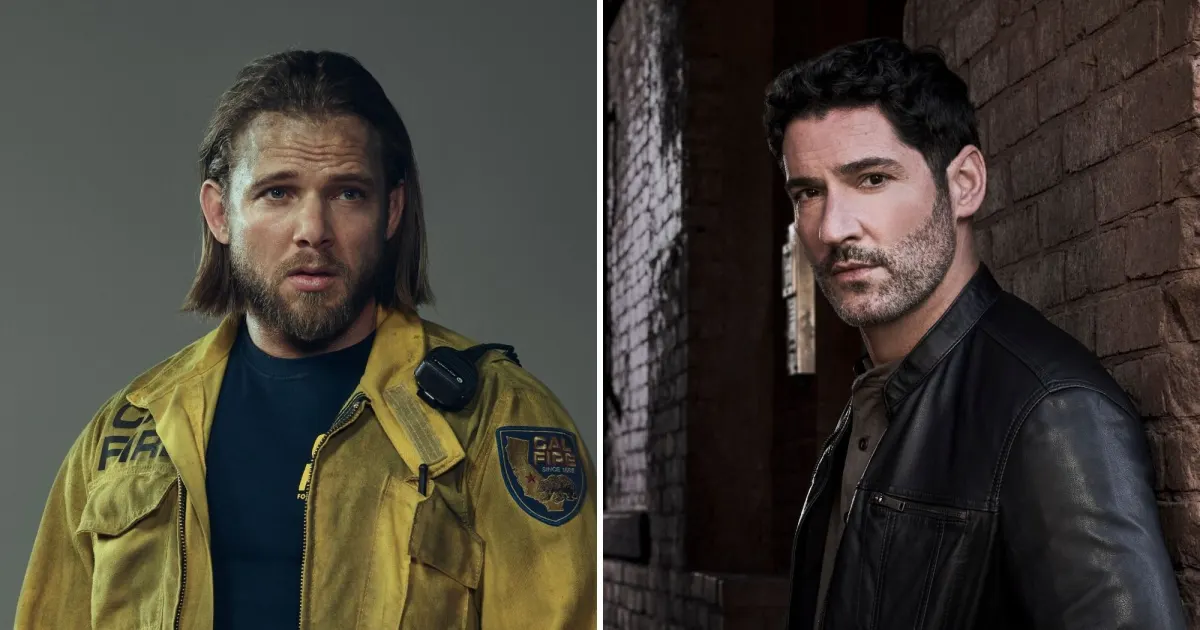
Meanwhile, over on the spinoff side of CBS’s procedural empire, the FBI spinoff CIA was weathering its own backstage storms, a reminder that no show is immune to the unpredictability of Hollywood’s creative currents. Back in April 2025, CBS greenlit CIA as a straight-to-series order, starring Tom Ellis and Nick Gehlfuss in what was poised to be a thrilling dive into covert operations—think clandestine missions, double-crosses, and the shadowy world of espionage. Originally slated for a fall 2025 debut, the premiere was nudged to midseason, a delay that hinted at early hesitations. At the core of these developments was a showrunner swap: Warren Leight stepping in to replace David Hudgins, who’d previously helmed FBI: Most Wanted. It was a strategic move, like reassembling an elite task force mid-mission, aiming to sharpen the show’s edge in the competitive spy game. Leight brought fresh perspectives, perhaps infusing more psychological depth or subtle intrigue to mirror the characters’ internal battles. But the upheavals didn’t end there; by November 2025, lead actress Michael Michele exited the series, citing reasons that left fans speculating about behind-the-scenes dynamics. Then, just days later, executive producer Eriq La Salle departed, a figure who’d been entrenched in the project since its inception, even directing the pilot episode.
These exits added layers of complexity to CIA’s journey, turning what could have been a seamless rollout into a series of personal reckonings. La Salle’s involvement from the ground up meant his fingerprints were on the show’s DNA, his vision shaping the pilot’s tone and pace. Losing such a cornerstone could feel like dismantling a spider’s web, where every thread connects to the broader narrative. Michele’s departure, meanwhile, evoked thoughts of the sacrifices actors make—balancing demanding roles with life outside the lens, perhaps seeking quieter chapters after the high-stakes drama. In a humanized view, it was a testament to how these projects demand enormous energy, like soldiers in a prolonged covert op, where attrition is as much a part of the mission as victory. CBS likely navigated these changes with a mix of pragmatism and emotion, ensuring the show’s foundation held by honing in on remaining talents like Ellis and Gehlfuss. Over time, such shifts often strengthen stories, injecting real-life authenticity into fictional spies, where trust is brittle and loyalties can crumble under pressure. As fans awaited the midseason reveal, CIA’s twists symbolized the unpredictable nature of television, echoing Fire Country’s blazes: sometimes, the greatest stories emerge from the ashes of expected plans. Through it all, these CBS dramas taught a profound lesson—charting creative seas requires not just skill, but a willingness to adapt, grieve departures, and forge ahead with renewed purpose, much like firefighting teams rebuilding after a catastrophic inferno. The shared thread of gratitude in statements from executives like Reisenbach and Stapf to showrunners like Napolitano and Monreal highlighted the industry’s personal side: a community bonded by passion for narrative, where farewells are poignant but promising, and every change fuels the next chapter in the ongoing saga of screen heroes and the humans behind them.