



Virgin River: From Page to Screen – A Tale of Adaptation
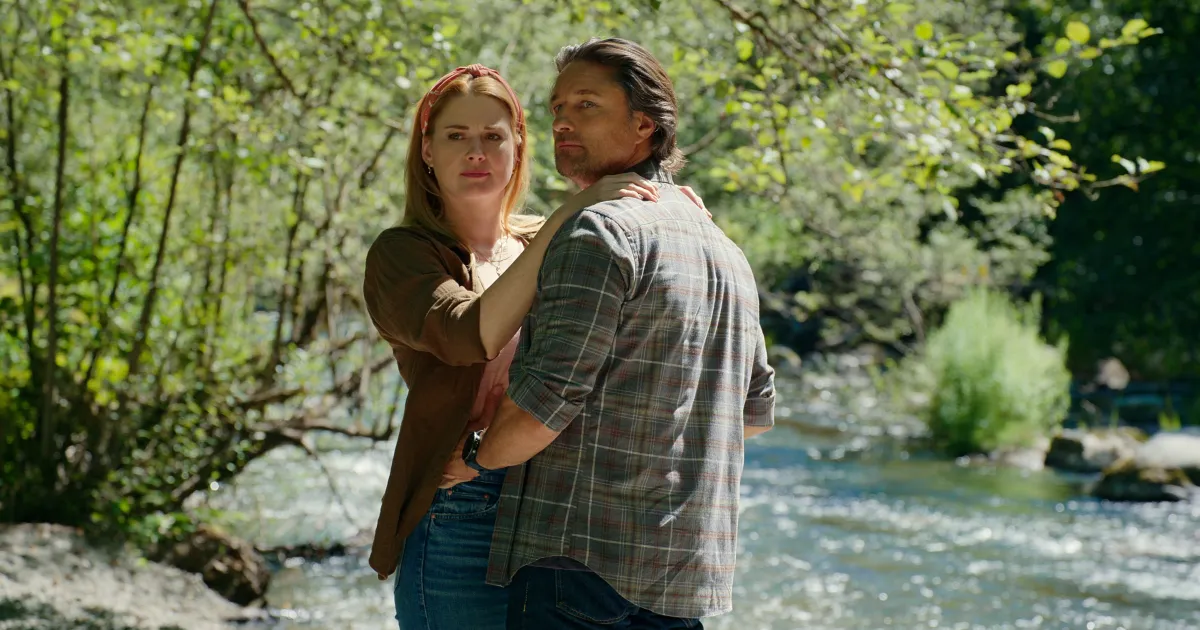
In the picturesque fictional setting of Virgin River, nestled among the towering redwoods of Northern California, viewers have found a comforting escape from the chaos of everyday life. Netflix’s adaptation of Robyn Carr’s beloved book series has captivated audiences with its heartwarming portrayal of small-town life, centered around midwife Mel Monroe (Alexandra Breckenridge) and former Marine bar owner Jack Sheridan (Martin Henderson). The series has become a streaming sensation, offering viewers a blend of romance, community, and everyday drama that feels like a warm embrace. Yet, as with most adaptations from page to screen, the Netflix series has taken creative liberties with its source material, crafting a narrative that both honors and diverges from Carr’s original vision. For devoted readers of the book series, these differences might be jarring, while newcomers to Virgin River through the show might be surprised to discover how the written version unfolds in comparison to what they’ve seen on screen.
The heart of Virgin River beats strongest in its characters and their intricate relationships, areas where the adaptation has made some of its most noticeable changes. In Carr’s expansive literary universe spanning 21 books, characters evolve and relationships develop with the luxury of thousands of pages. The Netflix adaptation has had to condense and reshape these elements to fit the constraints and opportunities of television storytelling. Relationships like Preacher and Paige’s romance or Hope and Doc’s long-standing marriage take on new dimensions in the show, with added complications and emotional arcs not present in the books. The show’s creators have also chosen to keep Mel and Jack at the forefront throughout the series, whereas the books gradually shift focus to other residents of Virgin River as their story stabilizes. This choice allows viewers to develop a deeper connection with the central couple, watching their relationship weather storms from Mel’s traumatic past to Jack’s PTSD and commitment issues. By the end of season 6, after navigating miscarriages and numerous obstacles, the couple finally exchanges vows, giving viewers the satisfying culmination to a romance that has anchored the series from its beginning.
With such an expansive literary universe to draw from, the television adaptation naturally couldn’t include every character from Carr’s 21-book series. Significant characters from the books never make it to the screen, while others appear in vastly different contexts or with altered backstories. For instance, Vanessa, who plays a meaningful role in the books, is notably absent from the Netflix series. The show has also taken liberties with character histories and relationships to streamline storytelling and create dramatic tension that works better in a visual medium. Brie and Brady’s complex relationship, which culminates in their affair and Brie’s subsequent confession to her boyfriend Mike (leading to his surprising proposal), exemplifies how the show crafts emotional arcs that diverge significantly from the source material. These changes allow the show to maintain narrative momentum and create compelling television, even when it means departing from the original text. For purists, these alterations might feel like betrayals of Carr’s vision, but they represent the necessary compromises of adaptation – translating what works on the page to what captivates on the screen.
Time moves differently in Virgin River depending on whether you’re reading the books or watching the show. The Netflix series has compressed the timeline significantly, with all six seasons covering approximately one year in the characters’ lives. This condensed timeframe creates a sense of immediacy and heightened drama, with events unfolding rapidly and characters developing at an accelerated pace. In contrast, Carr’s books span a much longer period, allowing for more gradual character evolution and life changes. This difference in pacing affects how relationships develop, how conflicts resolve, and how the community of Virgin River grows and changes. The compressed timeline of the show means that characters experience numerous major life events in quick succession – from Mel’s arrival in Virgin River to her wedding with Jack – creating a more dramatic narrative rhythm than the more measured pace of the books. This acceleration serves the needs of television storytelling, where viewer engagement depends on constant movement and emotional payoffs, but it necessarily alters the contemplative quality that characterizes much of Carr’s writing.
One notable difference between the Virgin River books and the Netflix adaptation lies in their respective approaches to mature content. Carr’s novels embrace the conventions of the romance genre, featuring explicit intimate scenes and mature themes explored with frankness and detail. The Netflix series, while certainly not shying away from romance, presents a more toned-down version that aligns with broader audience accessibility. Passionate moments between characters are handled with more restraint, often cutting away where the books would linger. This shift in rating from the more adult-oriented books to the more broadly accessible show reflects Netflix’s desire to capture a wide audience for the series, including viewers who might be drawn to the community aspects and small-town charm rather than explicit romance. This softening of edges extends beyond intimate scenes to include how the show handles other mature themes like addiction, PTSD, and grief – presenting them thoughtfully but with a gentleness that sometimes contrasts with the books’ more unflinching approach.
Perhaps the most significant divergence between book and screen centers on Mel’s personal journey, particularly regarding her past and her future with Jack. The Netflix series has altered key details about Mel’s deceased husband Mark, creating a slightly different emotional backdrop for her character. More notably, while Mel and Jack become parents to two children in Carr’s books relatively early in their relationship, the screen version has moved much more slowly toward parenthood, with the couple experiencing the heartbreak of miscarriage in season 5 and still childless by their wedding in season 6. This delay creates different stakes for their relationship and allows the show to explore other aspects of their connection before introducing the complexities of parenthood. As the series continues, viewers wonder whether Mel and Jack’s family will eventually mirror their literary counterparts, or if the show will forge its own path regarding this central element of their future together. This uncertainty exemplifies how the Virgin River adaptation honors the spirit of Carr’s creation while claiming the freedom to tell its own version of the story – one that has connected with millions of viewers who have found comfort, romance, and community in this small fictional town nestled among the redwoods.