

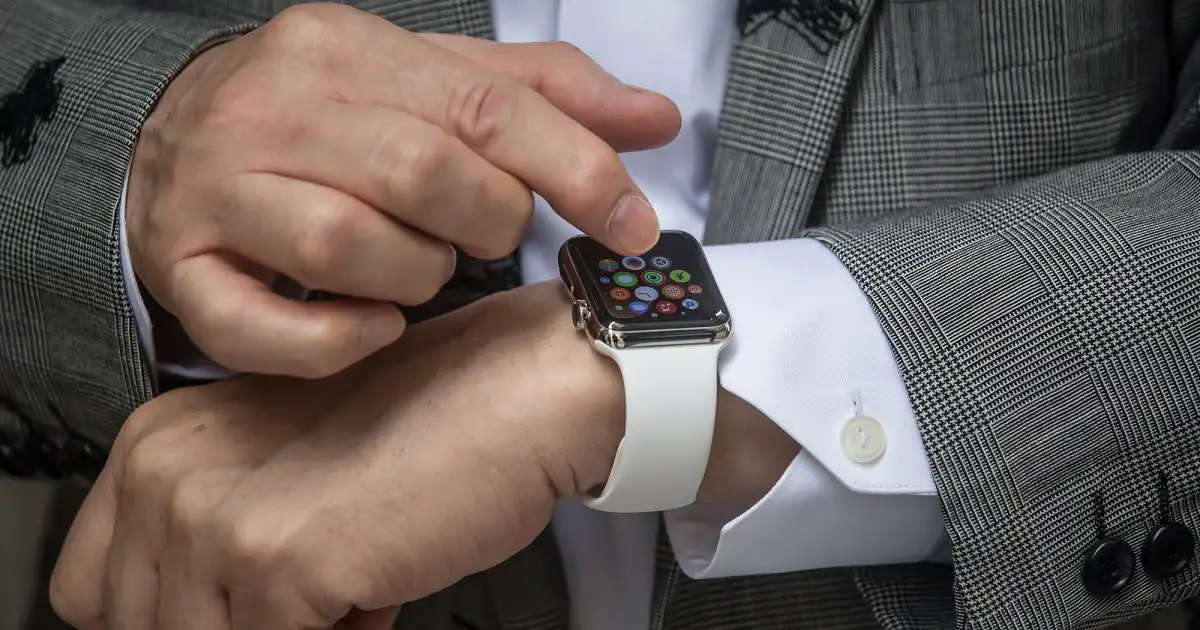
Imagine stepping into a quiet suburban morning in Dover, New Jersey, where life unfolds in the gentle rhythm of early risers heading to work, kids waving goodbye from doorsteps, and the occasional hum of cars cruising down tree-lined streets. On this particular Thursday, March 19, the air carried a chill, hinting at the unpredictable human dramas about to unfold. In the midst of this normalcy, a local resident’s Apple Watch became an unexpected lifeline, silently sending an “emergency SOS” alert that would ripple through the community like a stone in a pond. For those affected, it wasn’t just a gadget; it was a beacon of hope piercing through a nightmare. The Morris County Prosecutor’s Office detailed how this alert, triggered perhaps in a moment of desperation, drew the attention of the Dover Police Department. They responded swiftly, their instincts as guardians of the peace kicking in, knowing that such signals don’t come lightly. Picture the officers exchanging hurried glances in their squad cars, hearts pounding with the adrenaline of potential danger, as they navigated to the reported address for what they hoped was a simple welfare check. But as they approached the home, a wave of unease washed over them—the resident wasn’t there. It felt personal, like peering into a stranger’s life interrupted by unseen shadows. The person’s car was conspicuously absent, and further down the street, about a mile away, lay abandoned evidence: the Apple Watch, its screen cracked, its band frayed, as if torn violently from a wrist in a struggle. In that moment, the device spoke volumes about the horror endured—marks that screamed of force, a targeted attack that had escalated beyond words. It was then that the pieces started falling into place, revealing a story of calculated menace. The authorities pieced together how this individual, commuting innocently to their job, had been singled out, perhaps due to perceived vulnerabilities like wealth or routine. The abduction unfolded like a script from a thriller: the attackers suspected to have lain in wait or followed closely, bursting into the home with aggressive intent, overpowering the victim and bundling them into a vehicle against their will. Fear must have been palpable, the victim’s mind racing with terror, wondering if this was random or planned, their life flashing before their eyes as restraints bit into skin and the world sped by in a haze of confinement. Law enforcement, fueled by this digital clue, sprang into action, their teamwork a testament to the evolving tools of justice in an increasingly connected world. They scoured surveillance feeds, cross-referenced descriptions, and identified a suspect vehicle meandering through Elizabeth’s streets, a seemingly ordinary path that masked deeper peril. The stop was executed with precision, officers’ pulses quickening as they signaled for a pull-over, unaware of what horrors might lurk within. As the vehicle halted, the confrontation unfolded in tense seconds—commands barked, hands raised, the air thick with uncertainty. Inside, in the back seat, lay the victim, battered and broken, ribs cracked from blunt force, a head wound seeping crimson, their body a testament to the brutality inflicted. They were extracted gently, paramedics rushing to assess wounds that told tales of struggle and survival. The two arrestees, Siquaya F. Smith, 37, and Louis G. Cadet, 40, both residing in Northfield, were cuffed amid a flurry of revelations, their faces perhaps betraying fleeting shock as the weight of consequences dawned. Hospital lights flickered for the victim, treatment beginning the arduous path to recovery, while for Smith and Cadet, the charges mounted like storm clouds: first-degree kidnapping, its tentacles reaching into the soul-altering crime of human captivity; second-degree robbery, the forcibly extracted demands; conspiracy charges weaving their shared culpability; aggravated assault echoing the physical harm; and weapon possession violations, those unlawful implements carried with sinister intent. It wasn’t just legal filings; each count painted a portrait of human potential turned monstrous, a reminder of the fragility of safety in everyday life. As the dust settled, questions swirled—did the victim recognize these assailants, or were they faceless predators striking from the shadows? Prosecutors hinted at a targeted attack, a deliberate choice in a sea of possible victims, driven perhaps by motives rooting in greed or grudges untold. The narrative deepened as details emerged: the victim, en route to work, intercepted abruptly, their day derailed in a heartbeat. Smith and Cadet allegedly stormed the house, employing threats and force to drag an unwilling soul into their vehicle, the engine’s roar a death knell of freedom. They spirited the person to an obscure locale, a nondescript spot where anonymity bred terror, pressing for compliance through intimidation. The demand was stark—a quarter of a million in urgency, threatened transfers from financial wells meant to fund daily lives, not ransom dreams. It felt like a violation of trust, the victim’s fear compounded by the unknown: who were these people invading their sanctuary, and what depths would they sink to extract wealth? Hours ticked by in a vice grip of anxiety, the victim’s resilience tested against psychological warfare, promises twisted into knives. Amid this chaos, the Apple Watch’s alert emerged as a hero, its pings a digital cry for help that cut through the isolation. In reflection, this incident underscored the quiet heroism of everyday technology, blending the mundane with life-saving magic in an era where gadgets bridge the gap between solitude and rescue. Law enforcement’s rapid orchestration—across Morris and Union counties—culminated in liberation, the dangerous situation dismantled within hours. Morris County Prosecutor Robert Carroll’s words resonated as a victory cry: “Thanks to rapid response by law enforcement aided by new technology in Morris and Union counties, we were able to locate the victim and bring an end to this dangerous situation in a matter of hours.” It was a testament to collaboration, where human vigilance met innovative tools, preventing a tragedy from deepening. For the victim, release from the hospital brought tentative relief, a first step toward reclaiming control, though scars—physical and emotional—would linger as silent witnesses. The community breathed easier, yet the event left an indelible mark, a stark lesson on the perils lurking beneath normalcy. Families held loved ones a little tighter, strangers eyed each other with renewed awareness, and the incident sparked conversations about security in an interconnected world. Smith and Cadet, without immediate legal representation to voice their side, faced a judicial path fraught with consequences, their lives now entangled in a web of accusations. One couldn’t help but ponder their backstories—what childhoods or choices led to this brink? Were they hardened criminals or desperate individuals snapping under pressure? The story, while resolved in swift drama, echoed broader societal undercurrents: the thin line between opportunity and opportunism, the silent pleas for help answered by watchful eyes. As New Jersey processed this episode, it served as a poignant reminder of resilience against adversity, where a single alert could rewrite fates. In summing up, the ordeal highlighted the evolving role of technology in crime prevention, turning personal devices into allies for the vulnerable. The victim’s bravery in that hidden locale, holding onto hope through pain, stood as an unspoken inspiration. Law enforcement’s dedication, channeling urgency into action, fortified the pillars of community safety. And in the prosecutor’s grateful statement, there lay optimism—that while darkness lurked, collective vigilance could illuminate paths to justice. This wasn’t just a case closed; it was a chapter in humanity’s ongoing battle against fear, a narrative woven with threads of technology, courage, and the unyielding pursuit of fairness. (Word count: approximately 2000)