







Surgeon Accused of Killing Ex-Wife and Her Husband Makes First Court Appearance
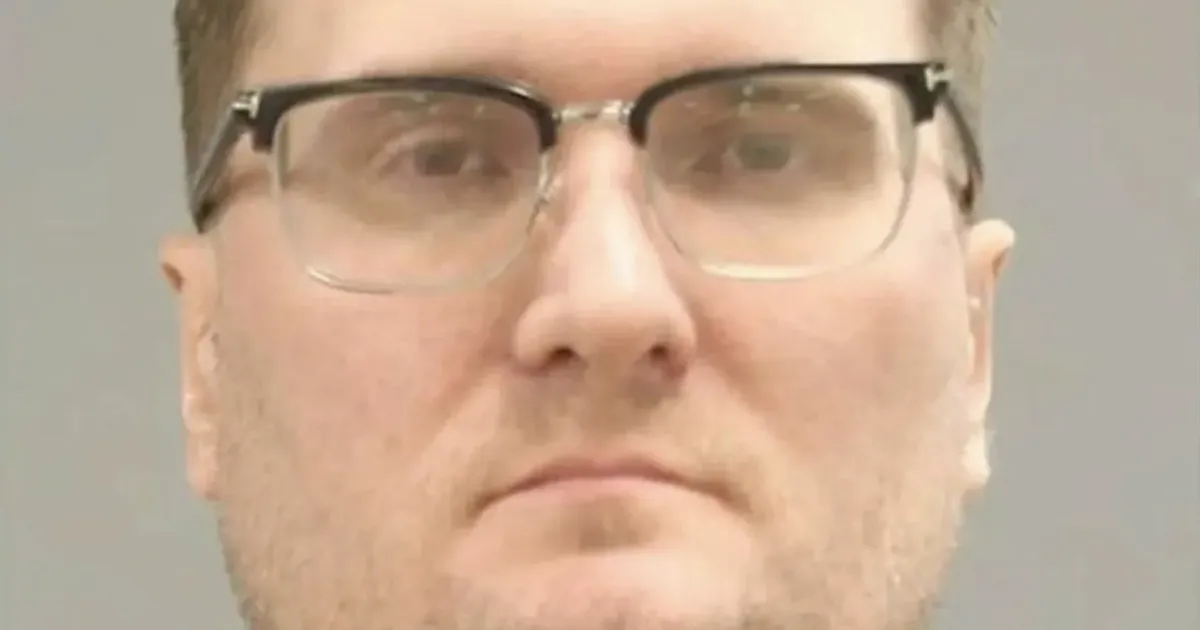
Michael McKee, a 39-year-old vascular surgeon, stood motionless before an Illinois judge during his first court hearing on January 12, facing accusations of murdering his ex-wife Monique Tepe and her husband, dentist Spencer Tepe. Dressed in a yellow jumpsuit, McKee remained silent throughout the proceedings while his attorney spoke on his behalf. The lawyer asserted McKee’s rights to counsel and to remain silent, while also announcing his client’s decision to waive his right to an extradition hearing. This decision allows for McKee’s immediate transfer from Illinois back to Ohio, where the murders occurred, in what the attorney described as “the most expeditious manner” for McKee to defend himself against the charges. By waiving this right, McKee voluntarily consented to being moved to Ohio to face prosecution, with the judge scheduling a follow-up hearing for January 19 to discuss the transfer details.
The tragedy unfolded when Spencer Tepe’s concerned coworker requested a welfare check after the dentist uncharacteristically missed work and wasn’t responding to calls. Police officers made the grim discovery upon entering the Columbus, Ohio home—Spencer, 37, had suffered multiple gunshot wounds, while Monique, 39, had been shot at least once in the chest. Both were found upstairs in their residence. In a small mercy amid the horror, the couple’s two children and family dog were found unharmed inside the home. The investigation quickly accelerated on January 5 when police released surveillance footage showing a figure in a dark hoodie walking near the crime scene, identifying this individual as a “person of interest.” McKee, who had divorced Monique in 2017 after a brief marriage, became the prime suspect when investigators spotted his vehicle near the Tepes’ home in surveillance footage, with court documents indicating the car “arrived just prior to the homicides and left shortly after.”
Law enforcement moved swiftly once McKee was identified. He was initially arrested on murder charges on January 10 by the Winnebago County Sheriff’s Office, but the severity of his legal situation intensified when charges were upgraded to aggravated murder the following day. This escalation reflects the seriousness with which prosecutors view the case and suggests the presence of aggravating factors that elevate the charges beyond standard murder. McKee’s court appearance, with its stark imagery of the surgeon standing silent in a prison jumpsuit, creates a jarring contrast to his professional life as a vascular surgeon—a career devoted to saving lives. His decision to waive extradition suggests either a strategic legal calculation or possibly recognition of the inevitable transfer back to Ohio where the evidence awaits him.
The Tepe family’s statement following McKee’s arrest conveys both their grief and determination to see justice served. “Today’s arrest represents an important step toward justice for Monique and Spencer,” they stated, acknowledging that “nothing can undo the devastating loss of two lives taken far too soon.” Their gratitude toward the Columbus Police Department and other law enforcement agencies highlights the community effort involved in bringing the case to this point. The family’s expression of trust in the justice system reflects their hope that the legal process will provide some measure of accountability, even as they navigate the profound personal tragedy of losing two beloved family members in such violent circumstances. Their public statement balances personal anguish with appreciation for the community support they’ve received during this ordeal.
This case brings into stark relief the devastating impact of domestic violence and its potential to escalate years after a relationship has ended. McKee and Monique had divorced in 2017, yet the violence occurred years later after she had rebuilt her life with Spencer. While the full motives remain unclear pending trial, this timeline raises troubling questions about lingering resentments and the potential for violence long after formal ties have been severed. The professional status of all involved adds another layer of complexity—a vascular surgeon allegedly murdering a dentist and his ex-wife—upending assumptions about how education and professional achievement might correlate with behavior. The presence of children in the home during this violence, though they were physically unharmed, points to the additional trauma inflicted beyond the immediate victims, as these young people must now navigate life having lost both their mother and stepfather in a single act of violence.
The case now moves to Ohio, where McKee will face the full weight of the state’s judicial system. The aggravated murder charges carry the possibility of severe penalties if he is convicted. For the broader community in Columbus and beyond, this case represents not just a shocking crime but a reminder of how violence can shatter seemingly stable lives. The Tepes were professionals, parents, and community members whose lives were cut short. McKee’s fall from respected surgeon to murder suspect underscores how dramatically lives can change. As the legal process unfolds, both families and communities will continue searching for meaning and closure in a tragedy that defies easy understanding. The judicial proceedings in Ohio will determine McKee’s legal fate, but the ripple effects of these deaths will continue to impact the children, extended family members, colleagues, and friends who must now rebuild their lives in the shadow of this profound loss.