

7-Year-Old Minnesota Girl Rescued from Abduction: A Tale of Community Response
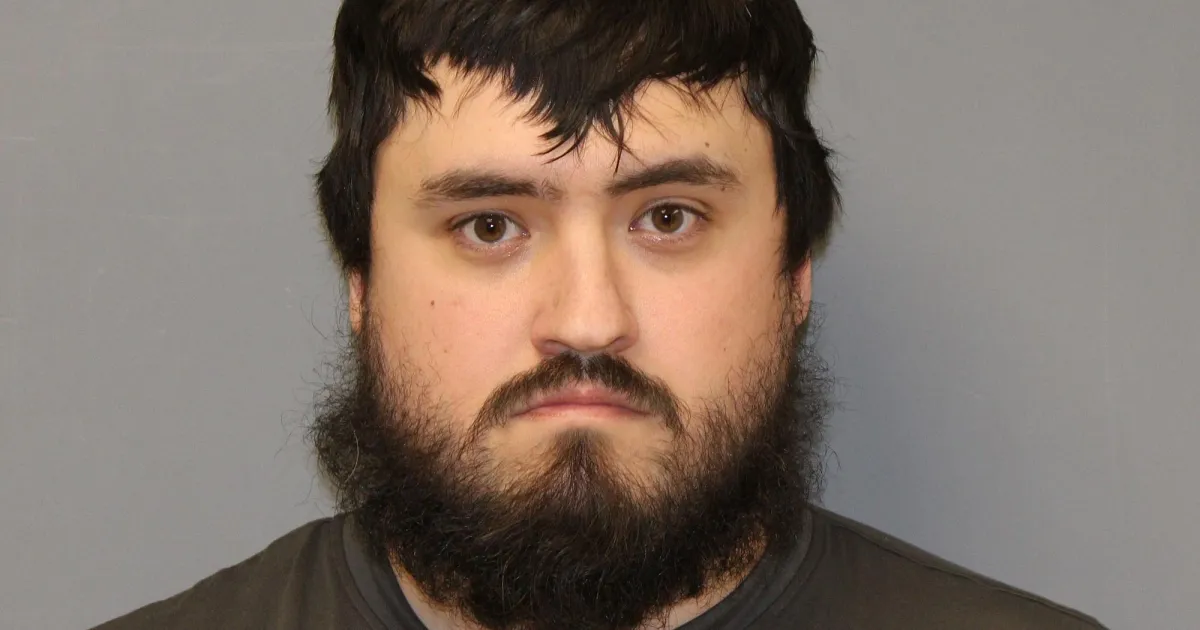
In a chilling incident that struck fear into the hearts of Minnesotans, 7-year-old Brynlee Nelson was abducted on January 21, 2024, shortly after stepping off her school bus in Zimmerman, Minnesota. The young girl was returning home from school around 4 p.m. when 28-year-old Joseph Andrew Bragg of Maple Grove allegedly kidnapped her. The terrifying ordeal mobilized an entire community, illustrating both the vulnerability of children and the effectiveness of rapid response systems in child abduction cases. What makes this case particularly disturbing is that it appears to have been a rare “stranger abduction” – the type that parents fear most but which occurs less frequently than other forms of child abduction. The Sherburne County Sheriff’s Office reported the case as a suspected “stranger abduction” shortly after Brynlee’s parents reported her missing at approximately 6:31 p.m. that same evening.
The response to Brynlee’s disappearance was swift and comprehensive, demonstrating how modern alert systems can help save lives. Authorities issued an Amber Alert late that night, distributing critical information including a description of a suspicious white Dodge Ram pickup truck. This prompt dissemination of information proved crucial, as officers with the Albert Lea Police Department spotted the vehicle traveling along Interstate 35 around 12:34 a.m. the following morning. When officers pulled the truck over, they found Brynlee inside and immediately arrested Bragg. The young girl was then taken to the Mayo Clinic Health System for medical evaluation before being reunited with her relieved family. Her mother, Mikailah Nelson, expressed profound gratitude on social media, writing, “By the grace of God and everyone looking, my baby girl Brynlee has been found. More to come, please continue to pray for her!!”
The circumstances surrounding the abduction remain somewhat mysterious, with investigators alluding to a “social media factor” related to the incident. Sherburne County Sheriff’s Office Commander Ben Zawacki mentioned this connection without elaborating further, raising questions about how the suspect might have targeted the child. Minnesota Bureau of Criminal Apprehension Superintendent Drew Evans characterized Bragg as an “evil individual” despite having “no significant criminal history,” which adds another layer of complexity to understanding the suspect’s motives. While Bragg is expected to face formal charges for abducting Brynlee, authorities have not yet disclosed what might have driven him to commit such a heinous act. The lack of prior criminal history makes the case particularly unsettling, as it suggests the difficulty in identifying potential predators before they act.
This incident highlights the critical importance of community vigilance and cooperation between multiple law enforcement agencies. The successful rescue involved coordination between the Sherburne County Sheriff’s Office, Albert Lea Police Department, Minnesota Bureau of Criminal Apprehension, and numerous other first responders. Additionally, hundreds of volunteers mobilized to search for the missing child, demonstrating how communities can come together in times of crisis. The sheriff’s office specifically acknowledged these collective efforts, thanking “the numerous law enforcement and first responders who assisted in the search” as well as the “hundreds of volunteers” who participated in the search operation. This collaboration exemplifies how effective multi-agency responses and public engagement can lead to positive outcomes in child abduction cases.
Brynlee’s case exists within the troubling larger context of missing children in America. According to the National Child Protection Task Force, over 460,000 children are reported missing each year in the United States. The organization emphasizes that “every child who disappears faces serious risks: exploitation, trafficking, and harm that grows each minute they’re away.” While many missing children cases involve runaways or family abductions, stranger abductions like Brynlee’s generate particular public concern due to their seemingly random nature and the extreme danger they pose to victims. The fact that Brynlee was recovered safely within approximately eight hours of her abduction reflects the critical importance of the “golden hours” immediately following a child’s disappearance, during which quick action can dramatically increase the chances of a safe recovery.
As Brynlee’s community begins to heal from this traumatic event, other missing children cases continue to demand attention across the country. In Virginia, authorities are currently searching for three missing girls – 12-year-old Forever Scott, 14-year-old Joseline Krofec, and 16-year-old Darsha McAllister – who disappeared on January 18 from the Harbor Point Behavioral Health Center where they had been residing. Forever is considered especially endangered due to her young age. These ongoing cases serve as sobering reminders that while Brynlee’s story ended with relief and reunion, many families continue to live with the agony of uncertainty regarding their missing loved ones. Brynlee’s successful rescue, while cause for celebration, should motivate continued vigilance, improved prevention strategies, and sustained commitment to protecting all children from harm. The convergence of technology, community involvement, and professional expertise that brought Brynlee home safely offers a blueprint for addressing the persistent challenge of missing and exploited children.