

Free Movies with Ads: A Return to Traditional TV Viewing in the Digital Age
In an era dominated by subscription-based streaming services, there’s a nostalgic yet modern revival happening in how we consume entertainment. Remember when watching movies on television meant sitting through a few commercial breaks? That simple model is making a comeback, albeit in a digitally transformed way. Today’s viewers who prefer not to pay for Netflix, HBO Max, or other premium services have excellent alternatives through ad-supported streaming platforms. Services like Tubi, Pluto TV, and even YouTube now offer impressive libraries containing thousands of quality films—completely free, with the small trade-off of occasional advertisements. This December, the “Watch With Us” initiative is highlighting some of the best offerings available, demonstrating that high-quality entertainment doesn’t necessarily require a monthly subscription fee.
The range of free movies available is surprisingly diverse and impressive, spanning from recent blockbusters to critically acclaimed classics. Take “Barbie,” starring Margot Robbie—2023’s cultural phenomenon that paired unexpectedly with Christopher Nolan’s “Oppenheimer” in the “Barbenheimer” viewing trend. This clever comedy portrays Barbie’s perfect life in Barbieland, where Barbies hold positions of power while Kens are relegated to beach days and supporting roles. When Barbie experiences an existential crisis, she and Ken (brilliantly played by Ryan Gosling) venture into the real world to find the girl playing with her doll. What follows is a smart exploration of gender roles, with Ken discovering “the patriarchy” while Barbie confronts reality. The film shines through its outstanding performances, with Gosling’s comedic talents particularly noteworthy alongside excellent supporting work from Will Ferrell, Kate McKinnon, Simu Liu, and Michael Cera. Even without the “Barbenheimer” marketing boost, “Barbie” stands as an intelligent, hilarious film worth watching.
For science fiction enthusiasts, “Blade Runner 2049” offers a visually stunning continuation of Ridley Scott’s classic universe. Set 35 years after the original film, it stars Ryan Gosling as Officer K, a replicant blade runner who hunts down rogue models like himself. His discovery of shocking information following a mission leads him on a quest to find Rick Deckard (Harrison Ford), a missing blade runner from the original film. Though it underperformed at the box office, Denis Villeneuve’s masterpiece received critical acclaim and won Academy Awards for Best Cinematography and Best Visual Effects. The film thoughtfully expands the Blade Runner universe while maintaining its own distinct visual identity, proving that sequels can honor their source material while breaking new creative ground. Villeneuve, who later directed “Dune,” demonstrates his exceptional ability to blend philosophical depth with immersive world-building in this sci-fi epic.
For action fans, two significant offerings stand out in the free streaming landscape. Daniel Craig’s final performance as James Bond in “No Time to Die” presents 007 living peacefully in Jamaica after leaving MI6, only to be drawn back into service when an old CIA friend (Jeffrey Wright) requests his help to rescue a kidnapped scientist. What begins as a straightforward mission evolves into something far more complex and dangerous. The film successfully balances exciting action sequences with emotional depth, transitioning smoothly between comedy, drama, horror, and romance. Critics and audiences praised this fitting conclusion to Craig’s tenure as Bond, appreciating its thrilling set pieces and surprising emotional resonance. Meanwhile, superhero enthusiasts can enjoy Christopher Nolan’s “Batman Begins,” which revitalized the character after the poorly received “Batman & Robin” (1997). This origin story follows Bruce Wayne (Christian Bale) from his childhood fear of bats through his parents’ murder and training with the League of Shadows in Bhutan. Upon learning the League plans to destroy “corrupt” Gotham, Wayne returns to fight crime without killing, supported by his butler Alfred (Michael Caine) and tech expert Lucius Fox (Morgan Freeman). Nolan’s approach transformed Batman from camp or gothic exaggeration into a prestige drama, launching a legendary trilogy that fundamentally changed superhero filmmaking.
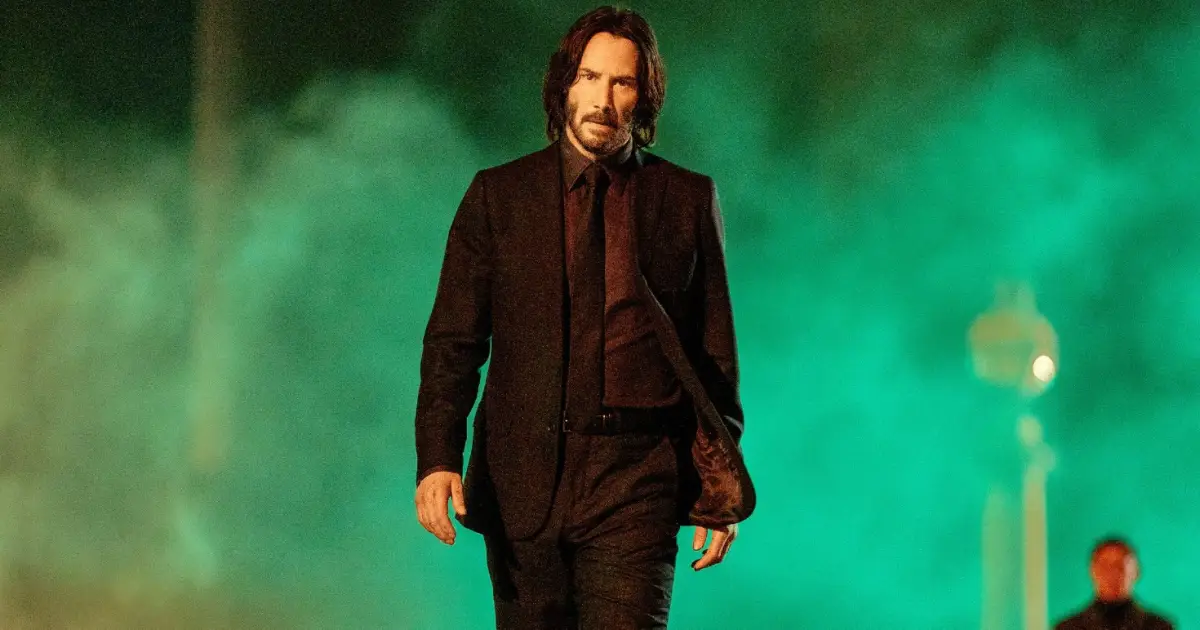
For pure adrenaline-fueled entertainment, “John Wick: Chapter 4” delivers the culmination of Keanu Reeves’ beloved action franchise. Following the events of the third film, we find Wick recovering in New York City under the protection of the Bowery King (Laurence Fishburne) while planning revenge against the High Table, who have placed an increasingly substantial bounty on his head. As Wick’s battle goes global, he faces assassins worldwide working for a formidable enemy. Despite being more extravagant, violent, and excessive than its predecessors, the fourth installment doesn’t suffer from excess—it thrives on it. The film proves there’s no such thing as “too much” when it comes to watching Reeves dispatch enemies with his unique brand of balletic violence. With spectacular set pieces, meticulously choreographed fight sequences, and surprisingly strong performances, “John Wick: Chapter 4” represents a high point in contemporary action blockbuster filmmaking, showing that free streaming options can include recent, high-quality releases.
The revival of ad-supported movie viewing represents a fascinating full-circle moment in entertainment history. What began as the standard model for television viewing, evolved through cable, premium channels, and subscription streaming, has now returned in a digitally transformed version. This model democratizes access to quality entertainment while still supporting content creators through advertising revenue. For viewers tired of managing multiple subscription fees or those seeking to reduce monthly expenses, these platforms offer a compelling alternative that doesn’t sacrifice quality. From award-winning blockbusters to cult classics, the breadth of available content continues to expand, suggesting that ad-supported streaming may become an increasingly important part of the entertainment landscape. In many ways, this trend represents the best of both worlds—combining the convenience and selection of modern streaming with the accessibility of traditional television, proving that sometimes the most sustainable business models are updated versions of what worked in the past.