












The Evolution of Lightning AI: A Transformative Merger in the AI Cloud Space
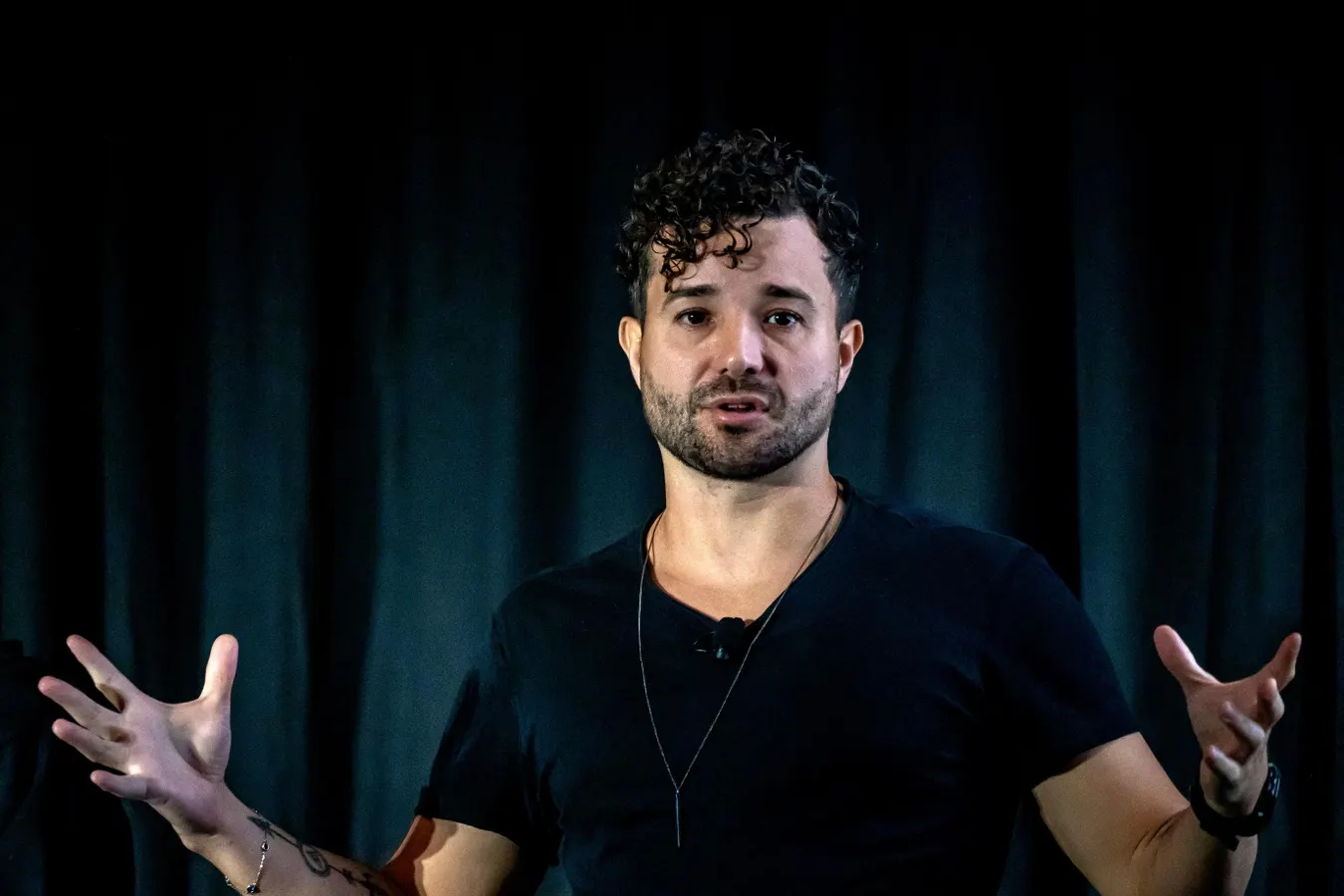
In a significant development in the artificial intelligence infrastructure landscape, Lightning AI and Voltage Park have joined forces in a merger valued at over $2.5 billion. This union represents the convergence of AI software expertise and hardware infrastructure, creating a vertically integrated powerhouse in the rapidly evolving AI cloud market. William Falcon, Lightning AI’s founder and CEO, began this journey by renting AI chips from Voltage Park in March 2023, seeking alternatives to traditional cloud providers for his company’s growing needs. Less than a year later, this business relationship has evolved into a full merger, with the combined entity generating over $500 million in annual recurring revenue, including GPU rentals previously booked through Voltage Park. The newly formed company will retain the Lightning AI name while substantially expanding its capabilities and market position in the competitive AI infrastructure space.
Lightning AI’s path to this point has been remarkable, starting with Falcon’s creation of PyTorch Lightning, an open-source tool that streamlined machine learning workflows for researchers. Downloaded more than 400 million times, this tool established Lightning’s reputation in the AI development community. The company gradually expanded its offerings to include comprehensive software bundles that help corporations like German chip manufacturer Infineon and advertising agency Monks build and fine-tune large language models. Despite initially running its operations on AWS, Lightning began exploring partnerships with emerging “neocloud” providers like CoreWeave, Nebius, and Voltage Park. These specialized infrastructure providers had emerged specifically to address the surging demand for graphic processing units (GPUs) critical for AI training. This exploration eventually led to the transformative merger proposal that Falcon and his team put forward to Voltage Park.
What makes Voltage Park particularly distinctive in the neocloud landscape is its unusual funding structure. Unlike competitors such as CoreWeave, which has raised over $14 billion in debt financing, Voltage Park was born from a $900 million grant provided by crypto billionaire Jed McCaleb through his not-for-profit organization, the Navigation Fund. McCaleb, who cofounded blockchain startup Ripple and early bitcoin exchange Mt. Gox, invested in 24,000 of Nvidia’s top-of-the-line H100 chips and established Voltage Park to manage this massive computing resource. The company’s debt-free position was particularly attractive to Falcon, who noted, “It was the only neocloud without debt. I think the first failure mode is going to be debt, their leverage.” This financial stability contrasts sharply with many competitors who have taken on significant debt obligations to fund their infrastructure expansions.
Under the leadership of CEO Ozan Kaya, Voltage Park had grown to become the third-largest neocloud provider based on chips deployed, behind only CoreWeave and Nebius. With six data centers operating across four states in the U.S., the company had built up 60 megawatts of active data center capacity, positioning itself as a significant player in the AI infrastructure market. Kaya explained that while tech giants like OpenAI, Meta, and xAI have been securing data centers with gigawatts of power, Voltage Park had found success serving customers like Cursor, Reflection, and Higgsfield – innovative startups that typically required smaller clusters of AI chips with tens of megawatts of power. This focus on serving the mid-market segment of AI innovators aligned well with Lightning AI’s vision for democratizing access to AI development resources.
The Navigation Fund, which was formed in November 2023 and has since grown its assets to $1.25 billion, will maintain a “significant equity stake” in the newly merged company. David Coman-Hidy, president of the Navigation Fund, clarified that while McCaleb occasionally advised Voltage Park, he held no ownership stake in either Voltage Park or Lightning AI. The fund has expanded its donor base and focuses on causes including climate change mitigation, farm animal welfare, criminal justice reform, and “open science.” This mission-driven backing adds an interesting dimension to the merger, potentially influencing the combined company’s approach to making powerful AI development resources more accessible to a broader range of organizations and researchers.
The Lightning AI-Voltage Park merger represents a significant evolution in how AI infrastructure companies are positioning themselves in an increasingly competitive market. By integrating Lightning’s software expertise with Voltage Park’s substantial hardware resources, the combined company can offer end-to-end solutions for AI development, training, and deployment. This vertical integration strategy stands in contrast to the more specialized approaches of other market participants, potentially offering advantages in terms of cost efficiency, technical optimization, and customer experience. As AI continues to transform industries across the global economy, the ability to provide both the tools and the computing power needed for sophisticated AI applications positions the new Lightning AI to play a significant role in shaping how organizations build and deploy artificial intelligence solutions in the years to come.
