












AI Medical Search Revolutionizing Healthcare: OpenEvidence’s Remarkable Growth
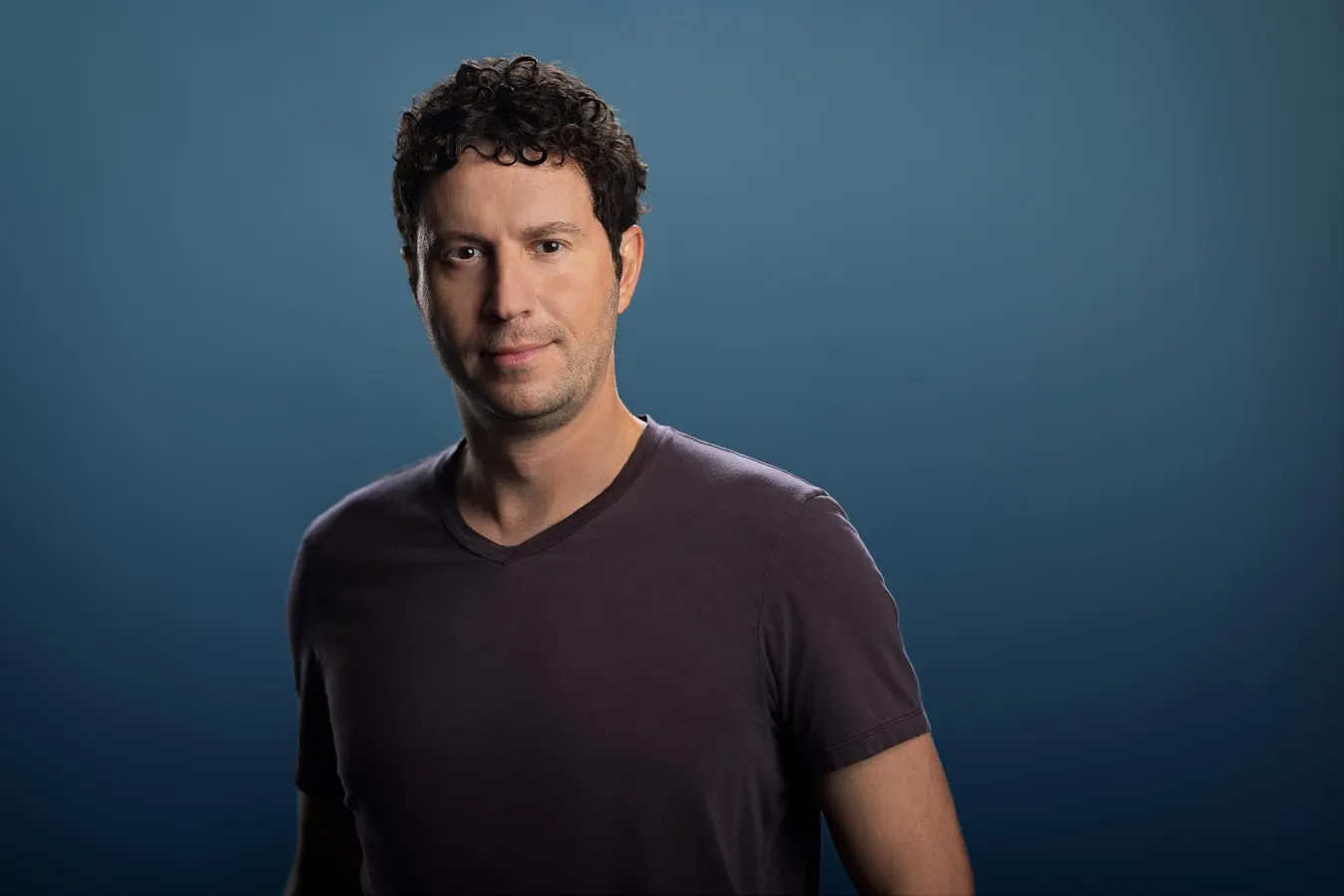
In 2023, Daniel Nadler launched OpenEvidence, an AI-powered search tool that has transformed how doctors find critical medical information. What began as an ambitious startup has now secured a staggering $250 million in funding, doubling its valuation to $12 billion and catapulting Nadler’s personal worth to an estimated $7.6 billion—more than twice his valuation from just months earlier. This Miami-based innovation has quickly become essential in American healthcare, with approximately 740,000 physicians—representing nearly half of all doctors in the United States—now relying on the platform to instantly access peer-reviewed research that previously would have taken hours or days to locate. The impact is tangible: last month alone, doctors utilized OpenEvidence during approximately 18 million patient consultations, leading Nadler to describe it as “the default operating system for doctors” in his conversation with Forbes.
The financial trajectory of OpenEvidence is equally impressive, having surpassed $100 million in annualized revenue in 2025 primarily through a selective advertising model. Pharmaceutical and medical device companies can purchase brief video advertisements triggered by relevant physician search queries, but Nadler has deliberately limited ad inventory to prioritize user experience—a strategy reminiscent of Google’s early approach. He estimates the company could generate approximately $1 billion in revenue if all available advertising space were sold, but maintains that preserving the quality of the physician experience remains paramount. This disciplined approach hasn’t deterred investors; the recent Series D funding round was led by Thrive Capital (known for backing AI successes like Cursor and OpenAI) and DST Global, bringing OpenEvidence’s total funding to $700 million. According to Nadler, this latest capital raise wasn’t driven by immediate necessity but rather capitalized on venture capital enthusiasm for established AI leaders, noting that “You really have the same dozen funds chasing the same half dozen companies.”
Nadler’s entrepreneurial journey reflects both vision and calculated risk-taking. A Harvard graduate raised in Toronto, he previously founded Kensho Technologies, an AI-powered data analytics company that sold to S&P for $700 million in 2018. His 20% stake netted him $140 million, which he strategically reinvested—placing $30 million in Nvidia stock that he later sold for approximately $100 million, and committing $10 million of his personal funds to launch OpenEvidence. This self-investment has proven remarkably prescient, as he maintains approximately 58% ownership of the now $12 billion company. His financial success has coincided with lifestyle changes, including the purchase of a $38 million beachfront penthouse in Miami after first achieving billionaire status in July 2025 when OpenEvidence reached a $3.5 billion valuation. His co-founder, Zachary Ziegler, holds a 7.3% stake now worth approximately $875 million.
Despite emerging competition, particularly from generalized AI platforms like OpenAI’s ChatGPT that doctors have begun adopting for medical queries, Nadler remains confident in OpenEvidence’s specialized approach and first-mover advantage. While OpenAI has recently launched a dedicated consumer-facing health and wellness question feature for ChatGPT, it lacks the medical specificity and extensive physician adoption that OpenEvidence has achieved. This specialized focus on healthcare professionals, combined with access to vast databases of peer-reviewed medical literature, creates a significant competitive moat that generalist AI platforms may struggle to overcome.
Looking toward the future, OpenEvidence is developing increasingly sophisticated search models designed specifically for medical information retrieval. Nadler’s vision extends beyond a one-size-fits-all approach to medicine; he plans to utilize the new funding to create what he describes as an “orchestra” of smaller, specialized models that function like medical specialists. This architecture will feature dedicated AI models for specific domains such as oncology, radiology, and neurology—each trained on real-world clinical consultation data to mirror how human specialists approach complex cases. The system will function through a central model that analyzes incoming physician queries and routes them to the appropriate specialist model, mirroring the structure of a human hospital.
OpenEvidence’s rapid ascent exemplifies how targeted AI applications can transform established industries like healthcare by addressing specific professional pain points. By focusing exclusively on physicians’ need for immediate access to relevant medical research, the company has created enormous value for both medical professionals and patients while achieving remarkable business growth. Nadler’s approach balances immediate revenue opportunities with long-term platform development, suggesting that OpenEvidence’s influence in healthcare could continue expanding. As AI increasingly integrates into medical practice, OpenEvidence’s dominant position with nearly half of American physicians already using the platform positions it to potentially shape the future of how medical knowledge is accessed and applied in clinical settings across the country and potentially worldwide.
