





XRP Network Activity Slows Amid Broader Crypto Market Downturn
Market Uncertainty Drives Significant Decline in XRP Transaction Volumes and Burn Rates
In a concerning development for cryptocurrency investors, XRP’s on-chain performance has deteriorated significantly amid the negative trend engulfing the broader digital asset market. The sixth-largest cryptocurrency by market capitalization has experienced a notable slowdown in network activity, reflecting diminished user engagement and transaction volume during this period of market uncertainty. This decline in fundamental network metrics comes as XRP has slipped below the psychologically important $2 threshold for the first time this year, signaling potential challenges ahead for the digital asset associated with Ripple.
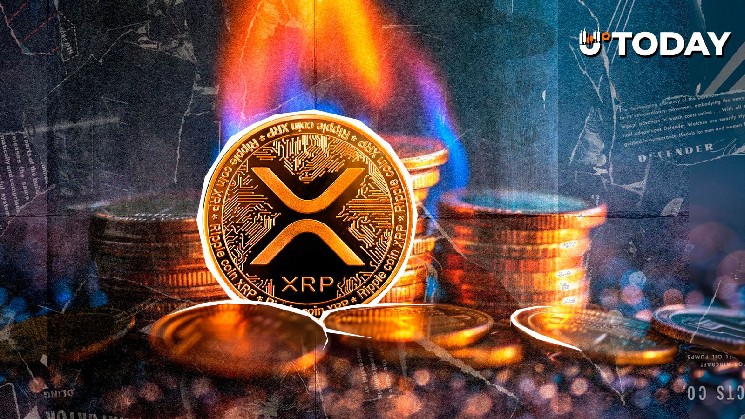
The past 24 hours have been particularly revealing, with XRP network activity maintaining a flat trajectory as evidenced by the minimal increase in the amount of XRP burned as transaction fees. According to data from on-chain analytics platform CryptoQuant, the total number of XRP tokens consumed as network fees has plummeted from 333 XRP on January 17 to fewer than 100 XRP within just a single day – representing a precipitous drop exceeding 50 percent. This dramatic reduction in the burn rate serves as a stark indicator of reduced network utilization and potentially waning interest from users during the current market correction phase, which has impacted virtually all leading cryptocurrencies.
XRP Falls Below Critical $2 Mark as Network Fundamentals Weaken
The deterioration in XRP’s network metrics extends beyond just the burn rate, with multiple on-chain indicators pointing toward negative momentum for the asset’s price trajectory. While the correlation between burn metrics and price action isn’t always direct, the substantial deceleration observed in this metric reveals a broader downtrend in XRP’s on-chain movements and overall network health. This development strongly suggests that demand for XRP’s payment functionalities has diminished considerably over the most recent 24-hour period, potentially reflecting reduced confidence in the asset’s short-term prospects among users and investors alike.
Historical patterns indicate that significant reductions in fee-driven burn activity typically coincide with periods when the cryptocurrency market enters pullback phases – a pattern currently being witnessed across the digital asset landscape. As XRP has returned to a downward price trajectory, breaking below the crucial $2 level that had previously served as support, the market appears to be experiencing one of its deepest corrections of the year thus far. Following this negative price movement, XRP has registered a 3.55% decline over the past day, with the token trading around $1.97 at the time of reporting. This price action reflects the broader market sentiment and underscores the challenges facing XRP as it attempts to maintain investor confidence during this period of uncertainty.
ETF Performance and Market Outlook Paint Complex Picture for XRP
The combination of poor on-chain movement and underwhelming performance from XRP-related exchange-traded funds (ETFs) during their most recent daily trading sessions has created considerable uncertainty regarding XRP’s ability to resume its bullish momentum in the near term. The diminished network activity, as evidenced by the reduced burn rate, suggests a potential cooling of interest from both retail and institutional investors, which could prolong the current consolidation phase or potentially lead to further downside if broader market conditions deteriorate further.
Despite these concerning metrics, a segment of the investment community remains optimistic about XRP’s potential for a price breakout. This optimism persists even in the face of sluggish network activity, with some analysts pointing to XRP’s historical resilience and its unique position within the cross-border payments ecosystem as factors that could support a recovery once market conditions improve. However, the current reality reflects a digital asset facing significant headwinds, with fundamental network metrics trending in a direction that typically precedes extended periods of price consolidation or further correction.
Understanding the Significance of XRP’s Burn Rate in Market Analysis
For cryptocurrency analysts and investors, the burn rate of a digital asset like XRP serves as a critical metric for assessing network health and user engagement. When users conduct transactions on the XRP Ledger, a small amount of XRP is destroyed or “burned” as a transaction fee – a mechanism designed to prevent spam and ensure the network’s efficient operation. Higher burn rates generally indicate increased network usage and transaction volume, which can be interpreted as positive signals for the asset’s utility and adoption. Conversely, declining burn rates, as currently observed with XRP, suggest reduced network activity and potentially diminishing interest in using the cryptocurrency for its intended purposes.
While the relationship between network metrics and price action isn’t always straightforward, sustained periods of reduced burn rates often precede or coincide with price corrections. In XRP’s case, the current burn rate decline appears to be both a symptom and a potential cause of its price weakness, creating a feedback loop that could challenge the asset’s ability to regain momentum in the short term. As investors closely monitor these on-chain indicators alongside broader market trends, the coming weeks will be crucial in determining whether XRP can reverse this negative trend and reclaim its position above the $2 mark, or whether further consolidation lies ahead for this prominent digital asset in an increasingly competitive cryptocurrency landscape.
Long-term Prospects Remain Subject to Market Dynamics and Regulatory Developments
Looking beyond immediate market conditions, XRP’s long-term prospects continue to be influenced by both broader cryptocurrency market dynamics and the ongoing regulatory developments surrounding Ripple, the company closely associated with XRP. While the current slowdown in network activity presents challenges for short-term price action, the fundamental value proposition of XRP in facilitating cross-border payments remains intact. Many analysts emphasize that temporary fluctuations in network metrics should be viewed within the context of longer-term adoption trends and technological developments within the XRP ecosystem.
Institutional interest in XRP, as reflected in products like exchange-traded funds, will likely play an increasingly important role in determining the asset’s price trajectory. Despite the recent underwhelming performance of these investment vehicles, their very existence represents a significant milestone in XRP’s journey toward mainstream financial acceptance. As the cryptocurrency market navigates the current period of uncertainty and volatility, investors would be well-advised to monitor both on-chain metrics like burn rates and broader market indicators to form a comprehensive view of XRP’s potential future performance. While immediate challenges persist, the fundamental utility of XRP in addressing inefficiencies in global payment systems continues to provide a foundation for potential long-term value appreciation, even as short-term network activity signals caution.