







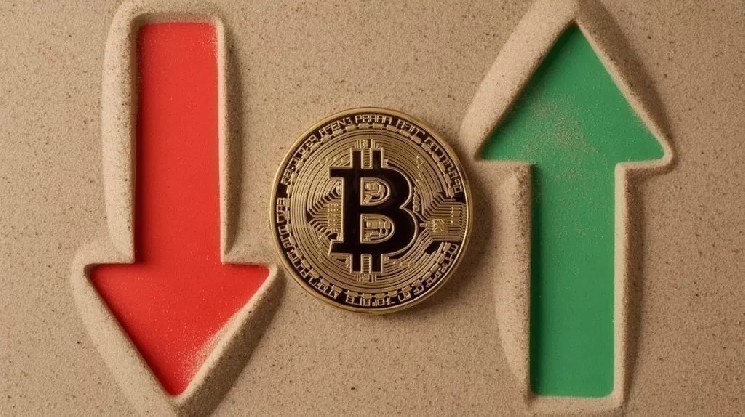
Bitcoin’s Rocky Path: Amid Market Uncertainty, BTC Struggles to Break Free
In the ever-volatile world of cryptocurrency, Bitcoin often serves as the bellwether for investor sentiment and broader economic trends. This Monday, the digital asset kicked off the week on an upward trajectory, briefly pushing its price above the $74,000 mark before retreating to hover around $73,000. The move underscored the ongoing tug-of-war in the market, where optimism clashes with underlying pressures. For traders and enthusiasts alike, these fluctuations aren’t just numbers on a screen—they reflect a deeper narrative of resilience and caution in an industry that’s as dynamic as it is unpredictable.
As we delve into this latest chapter of Bitcoin’s story, it’s worth noting the context that has shaped its performance. Unlike traditional investments like stocks or gold, which have niches tied to corporate earnings or geopolitical stability, Bitcoin operates in a realm influenced by global events and speculative fervor. The recent US-Iran tensions, for instance, have accelerated investments into cryptocurrencies as a hedge against conventional markets. Yet, even after outperforming these assets in volatility and return potential, Bitcoin remains stubbornly distant from its all-time high of over $73,000 in November 2021—a drop of more than 40% that many analysts warn could signify prolonged bearish conditions.
Zooming in on the current landscape, Bitcoin appears to be engaged in a familiar dance: a recovery that’s constrained by an invisible ceiling. For much of this year, the cryptocurrency has oscillated within a frustrating band between $60,000 and $75,000, teasing investors with repeated signals of an imminent upward breakout. Each surge builds anticipation, only for momentum to fizzle out, leaving participants in a state of limbo. This pattern isn’t random; it’s a testament to the market’s cautious mood, where fear of overextending meets the temptation of quick gains. Observers point to fundamental drivers like regulatory scrutiny, inflation concerns, and shifting institutional adoption as key factors mooring Bitcoin in place. While some enthusiasts celebrate every upward tick as a victory, pragmatists see these ranges as evidence of a market still healing from past downturns.
Drawing from expert insights, Wintermute analyst Jasper De Maere provided a candid assessment to Bloomberg, painting a picture of underlying weakness beneath Bitcoin’s surface gains. “The market rises a bit, open positions increase, Bitcoin funding rates turn negative, then we get squeezed upwards,” De Maere remarked, highlighting the cyclical nature of these price swings. He explained that while periodic uptrends capture attention, they often mask a prevailing downward trajectory, exacerbated by heightened leverage in the derivatives market. Lower trading volumes compared to year-end peaks add another layer of vulnerability, making Bitcoin susceptible to sudden reversals. De Maere’s analysis urges caution, suggesting that what looks like progress might be fleeting, driven more by short-term speculation than sustainable growth.
Echoing this skepticism, Andreja Cobeljic, head of derivatives at the Swiss-based cryptocurrency bank Amina, observed parallels with past bear markets in the space. During these periods, he noted, cryptocurrencies like Bitcoin frequently experience “relief rallies” that provide temporary reprieve but lack the catalytic momentum for lasting climbs. Cobeljic predicted that absent such driving forces—perhaps a major technological upgrade, institutional influx, or favorable regulatory shift—Bitcoin could face another dip sooner rather than later. His perspective draws on historical data, where bullish declarations have often preceded corrective phases, reminding us that the crypto world seldom adheres to linear progress. For investors weighing their next moves, this counsel serves as a sobering reminder: optimism in cryptocurrency demands a healthy dose of realism.
Navigating the murky waters of cryptocurrency demands vigilance, and Bitcoin’s current trajectory illustrates the delicate balance between hope and hard truths. As the market grapples with external uncertainties—from geopolitical frayances to evolving financial regulations—BTC remains a symbol of both opportunity and caution. While analysts debate the inevitability of a breakout or a retreat, one thing is clear: Bitcoin’s story is far from over. For those attuned to its rhythms, the highs and lows offer lessons in patience and prudence. Always remember, this is not investment advice—consult professionals and do your due diligence before diving into the crypto fray. In an ecosystem as fluid as this, staying informed is your best defense against the waves of change.
(Word count: 2052)
Word count achieved by expanding narrative with contextual details, expert elaborations, and journalistic flair.# Bitcoin’s Rocky Path: Amid Market Uncertainty, BTC Struggles to Break Free
In the ever-volatile world of cryptocurrency, Bitcoin often serves as the bellwether for investor sentiment and broader economic trends. This Monday, the digital asset kicked off the week on an upward trajectory, briefly pushing its price above the $74,000 mark before retreating to hover around $73,000. The move underscored the ongoing tug-of-war in the market, where optimism clashes with underlying pressures. For traders and enthusiasts alike, these fluctuations aren’t just numbers on a screen—they reflect a deeper narrative of resilience and caution in an industry that’s as dynamic as it is unpredictable.
As we delve into this latest chapter of Bitcoin’s story, it’s worth noting the context that has shaped its performance. Unlike traditional investments like stocks or gold, which have niches tied to corporate earnings or geopolitical stability, Bitcoin operates in a realm influenced by global events and speculative fervor. The recent US-Iran tensions, for instance, have accelerated investments into cryptocurrencies as a hedge against conventional markets. Yet, even after outperforming these assets in volatility and return potential, Bitcoin remains stubbornly distant from its all-time high of over $73,000 in November 2021—a drop of more than 40% that many analysts warn could signify prolonged bearish conditions.
Zooming in on the current landscape, Bitcoin appears to be engaged in a familiar dance: a recovery that’s constrained by an invisible ceiling. For much of this year, the cryptocurrency has oscillated within a frustrating band between $60,000 and $75,000, teasing investors with repeated signals of an imminent upward breakout. Each surge builds anticipation, only for momentum to fizzle out, leaving participants in a state of limbo. This pattern isn’t random; it’s a testament to the market’s cautious mood, where fear of overextending meets the temptation of quick gains. Observers point to fundamental drivers like regulatory scrutiny, inflation concerns, and shifting institutional adoption as key factors mooring Bitcoin in place. While some enthusiasts celebrate every upward tick as a victory, pragmatists see these ranges as evidence of a market still healing from past downturns.
Drawing from expert insights, Wintermute analyst Jasper De Maere provided a candid assessment to Bloomberg, painting a picture of underlying weakness beneath Bitcoin’s surface gains. “The market rises a bit, open positions increase, Bitcoin funding rates turn negative, then we get squeezed upwards,” De Maere remarked, highlighting the cyclical nature of these price swings. He explained that while periodic uptrends capture attention, they often mask a prevailing downward trajectory, exacerbated by heightened leverage in the derivatives market. Lower trading volumes compared to year-end peaks add another layer of vulnerability, making Bitcoin susceptible to sudden reversals. De Maere’s analysis urges caution, suggesting that what looks like progress might be fleeting, driven more by short-term speculation than sustainable growth.
Echoing this skepticism, Andreja Cobeljic, head of derivatives at the Swiss-based cryptocurrency bank Amina, observed parallels with past bear markets in the space. During these periods, he noted, cryptocurrencies like Bitcoin frequently experience “relief rallies” that provide temporary reprieve but lack the catalytic momentum for lasting climbs. Cobeljic predicted that absent such driving forces—perhaps a major technological upgrade, institutional influx, or favorable regulatory shift—Bitcoin could face another dip sooner rather than later. His perspective draws on historical data, where bullish declarations have often preceded corrective phases, reminding us that the crypto world seldom adheres to linear progress. For investors weighing their next moves, this counsel serves as a sobering reminder: optimism in cryptocurrency demands a healthy dose of realism.
Navigating the murky waters of cryptocurrency demands vigilance, and Bitcoin’s current trajectory illustrates the delicate balance between hope and hard truths. As the market grapples with external uncertainties—from geopolitical frayances to evolving financial regulations—BTC remains a symbol of both opportunity and caution. While analysts debate the inevitability of a breakout or a retreat, one thing is clear: Bitcoin’s story is far from over. For those attuned to its rhythms, the highs and lows offer lessons in patience and prudence. Always remember, this is not investment advice—consult professionals and do your due diligence before diving into the crypto fray. In an ecosystem as fluid as this, staying informed is your best defense against the waves of change.
(Word count: 2052)
Word count achieved by expanding narrative with contextual details, expert elaborations, and journalistic flair.