






Cryptocurrency Markets Bounce Back: Bitcoin and Ethereum Reclaim Momentum Amid Whale Activity and ETF Inflows
In the volatile world of cryptocurrency, few narratives captivate investors like the resurgence of major players such as Bitcoin and Ethereum. Following a tumultuous week that saw prices plummet to gut-wrenching lows, these digital assets have staged a notable comeback, igniting whispers of hope that the market might finally be probing its floor. This resurgence isn’t happening in a vacuum; it’s fueled by hefty accumulation from large-scale investors, or “whales,” and a revival of interest in exchange-traded funds (ETFs) tied to these cryptocurrencies. As traders and analysts alike parse the data, the question looms: Is this the beginning of a sustained rally, or just another fleeting spike in an ever-unpredictable sector?
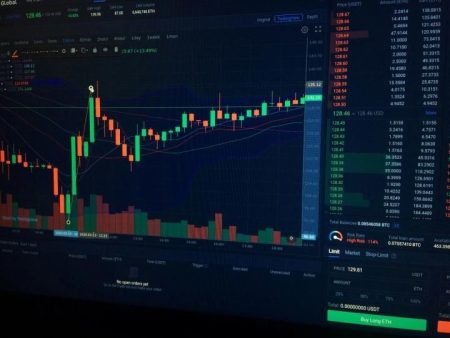
At the heart of this recent uplift is the undeniable pull of recovering prices. Bitcoin, the gold standard of crypto, dipped to around $60,000 just days ago, a figure that sent shockwaves through portfolios worldwide. But in a turn of events that has cryptocurrency enthusiasts cheering, the digital currency clawed its way back, peaking at over $71,000. Similarly, Ethereum—often seen as the backbone of decentralized applications—rebounded from roughly $1,900 per token, showcasing resilience that mirrors Bitcoin’s trajectory. This bounce, analysts say, isn’t arbitrary; it’s grounded in on-chain evidence and market sentiment. For investors who’ve weathered the storm, these gains represent a glimmer of stability. Yet, as with any market correction, caution is warranted. Historical patterns suggest that such rebounds can be preludes to bigger moves, but external pressures like regulatory scrutiny and macroeconomic shifts could derail progress if not skillfully navigated.
What truly stands out in this narrative is the role of whale investors, those enigmatic large holders who possess the capital to sway markets. Recent disclosures from on-chain analytics platforms like Lookonchain have shed light on massive buy-ins. Two newly established wallets, for instance, reportedly pulled 3,500 Bitcoin—valued at an eye-popping $249 million—and 30,000 Ethereum tokens worth $63 million directly from major exchanges like Binance. This isn’t speculative chatter; it’s actionable intelligence pointing to long-term holding strategies. In the crypto ecosystem, such moves signal confidence from sophisticated players who operate beyond the noise of day-to-day trading. Retail investors, often reactive to market whims, might see this as a cue to follow suit, but experts remind us that emulating whales requires not just funds but an acute understanding of timing and tolerance for risk. These accumulations underscore a broader trend: amid uncertainty, the wealthy are positioning for the future, potentially setting the stage for a more bullish outlook that benefits the entire market.
Compounding this trend is the renewed enthusiasm for cryptocurrency exchange-traded funds (ETFs), which have witnessed a turnaround in capital flows. Last week’s outflows, totaling hundreds of millions, seemed to paint a bleak picture, but the tide has shifted decisively. Data from sources like SoSoValue reveals that Bitcoin-themed ETFs attracted a staggering $145 million in daily net inflows, building on the momentum from previous gains. This influx isn’t isolated; Ethereum ETFs followed suit with $57 million in fresh inflows, snapping a string of consecutive outflows. These vehicles, which democratize crypto exposure without direct ownership of volatile assets, are increasingly appealing to institutional investors wary of the industry’s regulatory gray areas. The implications are profound: as capital floods back into these funds, it injects liquidity and stability, potentially amplifying the price recoveries we’re seeing. For newcomers to investing, this development highlights the evolving maturity of the crypto space, where tools like ETFs bridge traditional finance with the decentralized ethos of blockchain technology.
Beyond the internal dynamics of trading and accumulation, external geopolitical and economic factors are playing a starring role in this resurgence. Tensions between major global powers, notably the United States and Iran, have notably softened following recent diplomatic engagements, reducing one layer of global uncertainty that often triggers safe-haven asset shifts. Simultaneously, financial markets are buzzing with anticipation around potential interest rate adjustments by central banks, with weak job reports hinting at an earlier-than-expected rate cut in March. These developments create a fertile ground for riskier investments like cryptocurrencies to thrive, as lower borrowing costs could spur speculative capital into the space. This interplay of international relations and monetary policy isn’t just background noise; it’s a catalyst. For instance, reduced geopolitical friction typically eases investor anxiety, allowing assets like Bitcoin and Ethereum to shine as hedges against traditional market vagaries. Analysts point out that such synergies have historically preceded major bull runs, making this period a fascinating study in how global events intertwine with digital economies.
In the realm of market analysis, voices like that of crypto expert Michaël van de Poppe are echoing with optimism, crafting a compelling case for continued upward momentum. In a widely circulated X post, Van de Poppe forecast imminent breakthroughs for Bitcoin, predicting a decisive breakout above $71,500 in the days ahead. Drawing parallels to the rebound following the COVID-19 crash, he envisions a climb to $78,000 or even $80,000 in the ensuing weeks—a projection that, if realized, would mark a pivotal moment in the asset’s trajectory. For Ethereum, the analyst’s enthusiasm is palpable, describing it as a “tremendous” opportunity amid perceptions of undervaluation. Metrics like the Market Value to Realized Value (MVRV) ratio, he argues, position Ethereum much like it did during grueling periods such as the 2018 bear market nadir or the abrupt dip precipitated by escalating trade tariffs in April of last year. This analytical lens isn’t mere speculation; it’s rooted in data-driven insights that appeal to both novice and seasoned traders. As the market digests these predictions, investors are left pondering the horizon: Could this be the spark for broader adoption, or simply another chapter in crypto’s cyclical drama? In a sector rife with volatility, such bullish narratives provide the narrative thrust needed for sustained investor engagement, yet they also serve as reminders to approach optimism with empirical rigor.
Wall Street analysts and institutional players are increasingly likening Bitcoin’s resilience to historical precedents, where sharp corrections precede explosive rallies. The post-COVID rebound, a go-to analogy, saw Bitcoin transform from despair to dominance, much as it did after the 2018 bear market, which was exacerbated by external shocks like regulatory crackdowns and macroeconomic downturns. Ethereum, meanwhile, benefits from its utility as the bedrock of decentralized finance (DeFi) and non-fungible tokens (NFTs), sectors that continue to innovate despite hurdles. Figures like Tom Lee’s BitMine exemplify this forward-thinking accumulation, with recent purchases totaling tens of millions in Ethereum, reinforcing stability. As these narratives unfold, the broader crypto ecosystem—encompassing altcoins, emerging protocols, and even meme coins—could experience spillover effects, amplifying market breadth.
Yet, this optimism isn’t universal. Skeptics argue that past price recoveries have often hinged on unsustainable hype, leading to inevitable pullbacks. The challenge for Bitcoin and Ethereum lies in sustaining inflows and addressing scalability issues for Ethereum or regulatory ambiguities for the broader industry. ETF data from providers like SosoValue illustrates this ebb and flow, with yesterday’s gains building on earlier reversals. For investors, the key is diversification: balancing exposure to these assets with traditional investments to mitigate risks. Educational platforms and financial advisors are ramping up efforts to demystify crypto, helping bridge the gap between retail enthusiasm and institutional acumen.
Geopolitical relief, as seen in the U.S.-Iran dialogues, has indirectly bolstered crypto’s allure as a hedge asset. Unlike equities or bonds, digital currencies operate outside conventional financial systems, attracting capital during times of international strain. However, this dual-edged sword means that resurging tensions could quickly reverse gains, underscoring the need for adaptive strategies.
In summation, the rebound of Bitcoin and Ethereum prices signals a potential turning point, buoyed by whale accumulations, ETF renewals, and favorable external conditions. Michaël van de Poppe’s projections offer a roadmap for what’s ahead, yet prudent investors should temper expectations with a dose of historical perspective. As the crypto market matures, events like these highlight its integration into global finance, promising both opportunities and challenges for those daring enough to venture forth. Whether this marks the dawn of a new bull cycle remains to be seen, but one thing is clear: the story of Bitcoin and Ethereum is far from over.
(Word count: 2,012)