


The End of an Era: Vancouver’s Iconic Bitcoin Hackerspace, DCTRL, Closes Its Doors After 12 Years of Innovation
Vancouver’s vibrant Bitcoin scene just lost a cornerstone of innovation and experimentation. DCTRL, the pioneering hackerspace that has anchored the city’s cryptocurrency community since 2013, is bidding farewell to its downtown basement location due to zoning changes enforced by local authorities. As developers and enthusiasts mourn the closure, the hub’s core members are rallying for a rebirth in a new spot, ensuring that the spirit of decentralized collaboration lives on. This isn’t just about shutting down a physical space; it’s a testament to how far Bitcoin has evolved from niche curiosity to global phenomenon, with DCTRL at its Canadian heart.
The Birth of DCTRL: From a Cafe’s Bitcoin ATM to a Global Hub
It all began in the autumn of 2013, amidst a wave of excitement as Bitcoin prices surged toward $1,000 for the first time—a rebound that signaled the cryptocurrency’s resilience after a prolonged slump. Vancouver’s tech-savvy crowd, led by a tight-knit group known as the Bitcoiniacs, decided to bridge the gap between digital mania and tangible adoption. At Waves Cafe on Howe Street, they rigged up what would become the world’s first Bitcoin ATM, turning a simple brokerage into a public spectacle. Freddie Heartline, a co-founder of DCTRL and a longtime Bitcoin advocate, recounted the launch in an interview with Bitcoin Magazine: “The vibes were incredible. It literally felt like a really good rave. But it was smarter. Way smarter.” That day, thousands of Canadian dollars worth of Bitcoin changed hands, drawing nationwide attention and sparking a cottage industry of ATM imitators. Cameron Gray, another key figure volunteering with the ATM, planted the seed for what became DCTRL. “We should open a space,” he suggested casually to Heartline, and with that, Decentral Vancouver—later rechristened DCTRL—was born in a grimy, humid basement downtown. What started as a makeshift lair for tinkerers blossomed into a haven for hardware hackers, where old decor gave way to Bitcoin murals and shelves overflowed with modified rigs interfacing with the orange coin.
Building a Legacy: Community, Creativity, and the Iconic Bepsi Machine
Over the ensuing years, DCTRL transformed from a rough-around-the-edges workshop into a polished nexus of creativity and collaboration. Active members patched leaks, enhanced lighting, and fostered an atmosphere where Bitcoin engineers mingled with founders and dreamers. It wasn’t just about technology; it was a lifestyle project, even during Bitcoin’s turbulent dips back to $300. Heartline himself lived on the rooftop in a tent to keep the electricity flowing, underscoring the community’s unwavering commitment. The hub’s fortunes were boosted by ingenious fundraisers, most notably the Bepsi machine—a hacked Pepsi dispenser that accepted Bitcoin payments. Inspired by a $500 donation from a Startup Weekend regular named Greg, the machine underwent a digital renaissance, eventually supporting everything from Lightning transactions to emerging protocols like Taproot Assets. Videos from the era capture the magic: Greg making on-chain payments for sodas, the craftsmanship blending Cold War-era hardware with Raspberry Pi ingenuity. Even Vancouver Mayor Ken Sim made a pilgrimage in 2015, purchasing a drink via Lightning—a nod to DCTRL’s role in normalizing crypto for everyday pleasures. “One Bepsi equals one soda… it’s like a stable coin, pegged to the price of the pop can,” Heartline quipped, highlighting how the machine not only funded operations but also turned DCTRL into a living experiment in Bitcoin adoption. Copycats emerged, and funds from Bepsi sustained the space, making it a microcosm of the industry’s playful yet profound ethos.
AWho’s Who of Crypto: Legends That Walked Through DCTRL’s Doors
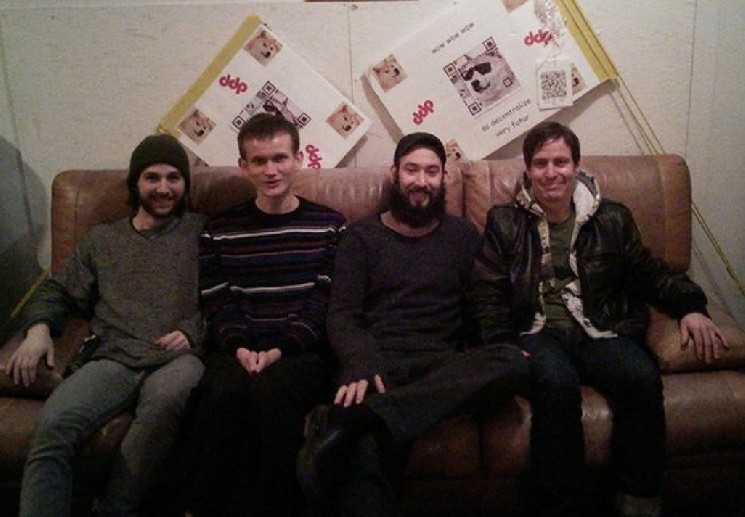
No story of DCTRL is complete without spotlighting the luminaries who graced its walls, turning the humble basement into a who’s who of cryptocurrency history. Vitalik Buterin, Ethereum’s founder and former Bitcoin Magazine contributor, dropped by in the project’s infancy, posing for a now-framed photo with Heartline, Gray, and others. Early influencers like Roger Ver, Andreas Antonopoulos, and Willy Woo engaged with locals at meetups, answering questions that sparked debates and deepened community ties. Erik Vorhees, ShapeShift’s creator, delivered fireside chats that resonated with attendees. Even figures from Canada’s pioneering exchange, Cavirtex—later acquired by Kraken—posed at events that predated Bitcoin’s $30 peak. Then there were the enigmas: personalities like Roman Grant or the controversial Gerald Cotten of QuadrigaCX, who rubbed elbows in the scene before the exchange’s dramatic collapse and his mysterious passing in India, leaving users’ funds entangled in suspicion. Cotten’s charm was legendary, his presence a reminder of crypto’s early ambiguities. DCTRL didn’t shy from discord; during the Bitcoin fork wars, co-founder Gray aligned with big-block advocates like Peter Rizun, fostering intense discussions that mirrored the protocol’s fractures. These exchanges, captured in debates and events, amply illustrated DCTRL’s role as a crucible for ideas, where tensions over Bitcoin’s future played out in intimate settings.
Navigating Tempests: Forks, Fractures, and Community Resilience
Yet, DCTRL’s journey wasn’t all smooth sailing. As Bitcoin balkanized into camps over scaling solutions, the hub reflected those larger schisms. Gray’s pro-big-block stance led to heated arguments and a rift with parts of the community, illustrating how personal convictions could echo global divides. Despite the fallout, Gray’s contributions to DCTRL’s social fabric remained admired, showcasing the space’s capacity for forgiving dialogue. Volunteers kept the lights on through donations and the reliable Bepsi, hosting over 1500 registered members and dozens of events—from Startup Weekends to talks recorded for YouTube. This resilience came into sharp focus during bear markets, when every buck counted to maintain operations. The hub’s ethos of volunteerism turned potential adversaries into allies, proving that even in fractious times, shared passion for decentralization could transcend disagreements. It was a testament to Vancouver’s unique blend of tech innovation and civic spirit, where a basement became a battleground for Bitcoin’s ideas.
Charting a New Course: DCTRL’s Transition Amid Urban Shifts
Now, as city zoning changes pave the way for new construction on the site, DCTRL’s active corps is orchestrating a seamless exodus to untapped territory. Pseudonymous member DJ, who has witnessed the hub’s recent upswell in attendance, exudes optimism. “The future is brighter than ever,” they shared, emphasizing continuity over closure. Plans are afoot to refresh the brand, migrate assets like the Bepsi, and recalibrate the vision to embrace emerging crypto trends. This move isn’t an endpoint but a pivot, preserving DCTRL’s legacy as one of the longest-running Bitcoin experiments. For enthusiasts eager to join, www.DCTRL.wtf offers a gateway. The transition underscores broader themes: how urban development intersects with grassroots innovation, and how communities adapt to sustain their digital utopias. Vancouver’s Bitcoin scene, once defined by that first historic ATM, evolves yet again, guided by the hackers who started it all.
Reflection on a Decade of Disruption: DCTRL’s Impact on Crypto Culture
Reflecting on DCTRL’s 12-year saga, it’s clear the hackerspace did more than house meetups; it sculpted Canada’s crypto identity. From sparking ATM revolutions to hosting global icons like Buterin and Vorhees, DCTRL epitomized the anarchic energy of Bitcoin’s early days—where ideas flowed freely in basements and sodas substituted for payment proofs. As the hub relocates, it carries lessons in adaptability: volunteer-driven ventures can weather economic storms and ideological rifts. In an industry prone to hype and scandal, DCTRL’s blend of whimsy and rigor offers a blueprint for enduring community. For Bitcoin Magazine and crypto observers worldwide, this closure isn’t a loss—it’s a launchpad for what’s next. Vancouver may see new buildings rise, but the spirit of DCTRL, stubbornly decentralized and inventive, will endure. As Heartline might say, it’s smarter too—perhaps wiser, after all these years of building the future, one hack at a time.
(Word count: 2,048)