







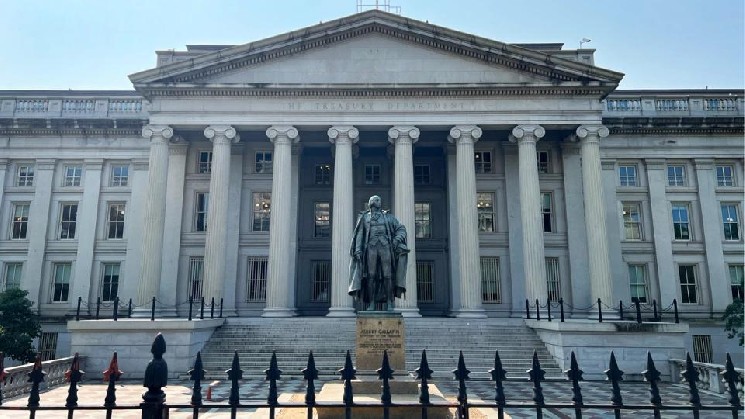
US Treasury Extends Cybersecurity Lifeline to Crypto Firms Amid Escalating Hack Threats
In a bold step to shield an industry that’s become indispensable to global finance yet remains notoriously vulnerable, the U.S. Department of the Treasury announced on Thursday that it’s welcoming cryptocurrency businesses into its exclusive cybersecurity information-sharing program. This initiative mirrors the protections long afforded to traditional banks and financial institutions, signaling a broader regulatory embrace of digital assets as they penetrate deeper into the economic fabric. The move comes at a critical juncture, as cyber attacks on crypto platforms have escalated, draining billions and eroding trust in this burgeoning sector.
The announcement from the Treasury’s Office of Cybersecurity and Critical Infrastructure Protection outlines a straightforward yet impactful offering: eligible crypto firms and organizations—though the criteria remain somewhat vague in the initial disclosure—can now tap into the same timely, actionable intelligence that helps conventional financial players fend off sophisticated threats. Interested companies are urged to contact the office directly to enroll in this complimentary service, which promises real-time alerts on emerging vulnerabilities and attack patterns. This extension represents a pragmatic acknowledgment from federal authorities that the crypto world, with its decentralized nature and borderless transactions, demands tailored defenses against hackers often backed by nation-states.
Drawing from expert recommendations, the decision echoes a 2023 report by the President’s Working Group on Digital Asset Markets, which highlighted the urgent need for enhanced information-sharing mechanisms to combat cyber threats in the crypto space. The group’s insights underscored how isolated the digital asset ecosystem has been, leaving it prone to exploits that traditional finance has mitigated through coordinated defenses. “By extending access to the same high-quality cybersecurity information used by traditional financial institutions, Treasury is helping promote a more secure and responsible digital asset ecosystem,” Assistant Secretary for Financial Institutions Luke Pettit stated, emphasizing the proactive role government can play in fostering industry resilience.
The context for this initiative couldn’t be more pressing. From its inception, the cryptocurrency sector has been a magnet for malicious actors, with hacks becoming almost a monthly ritual. High-profile breaches have not only siphoned millions from unsuspecting users and platforms but have also prompted broader questions about the stability and security of digital currencies. Take, for instance, the recent North Korean-linked heist from the decentralized platform Drift, where over $280 million vanished in a blink, highlighting the ruthless efficiency of state-sponsored groups. And it’s not isolated; just this week, the Solana Foundation announced new initiatives to bolster defenses after a string of exploits rattled its blockchain network. These incidents aren’t mere technical glitches—they’re stark reminders of the cyber underworld’s appetite for crypto riches, where anonymity amplifies the allure for attackers.
Year after year, billions in assets evaporate into the digital ether, often orchestrated by hacker collectives aligned with adversarial nations like North Korea. This hemorrhage has fueled legislative debates in Washington, where policymakers grapple with integrating crypto into a regulated financial system without stifling innovation. Cyber threats loom large in these discussions, with some arguing that current safeguards are insufficient against hybrid warfare tactics that blend code exploitation with geopolitical maneuvering. As the Treasury opens its doors, it’s inviting crypto firms to join a collaborative front, potentially turning the tide against these invisible predators and paving the way for a more fortified economic landscape.
Meanwhile, on the enforcement front, the U.S. Department of Justice is intensifying its crackdown on these illicit operations, seizing more crypto assets tied to North Korea’s shadowy financial apparatus. This dual approach—providing shields while wielding swords—underscores a comprehensive strategy to dismantle cybercrime networks. As the digital asset arena evolves, these developments hint at a future where innovation and security coexist more harmoniously, though challenges persist in defining eligibility and ensuring seamless implementation. For now, the Treasury’s outreach is a beacon for crypto entities navigating treacherous waters, promising clarity in an era of uncertainty. As industry experts monitor the rollout, many speculate that this could mark the beginning of a new era of cooperation between regulators and the dynamic world of blockchain, where shared knowledge becomes the ultimate defense against digital threats.