



Caroline Crenshaw Resigns from SEC: Democratic Commissioner Departs Ahead of Term Completion
Regulatory Shift: SEC’s Democratic Voice Steps Down
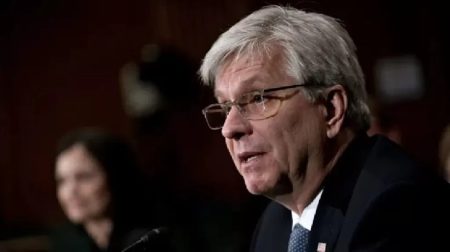
In a significant development for U.S. financial regulation, the Securities and Exchange Commission (SEC) announced today that Commissioner Caroline Crenshaw has resigned from her position, creating another vacancy on the nation’s top securities regulatory body. Crenshaw, who has served as the commission’s sole Democratic member alongside Chair Gary Gensler, was appointed during the Trump administration and sworn into office on August 17, 2020. Although her term was originally set to continue until 2024, her unexpected departure creates new questions about the SEC’s regulatory direction and composition during a critical period for financial markets.
The resignation comes during a time of intense regulatory activity at the SEC, particularly regarding cryptocurrency markets, climate disclosure rules, and retail investor protections. As the commission’s only Democratic commissioner apart from Chair Gensler, Crenshaw has been an influential voice advocating for robust market oversight and investor safeguards. During her nearly four-year tenure, she established herself as a staunch supporter of enhanced transparency requirements and frequently emphasized the importance of protecting retail investors against market manipulation and information asymmetry. Her departure creates both a significant personnel gap and potential policy implications for the commission’s ongoing regulatory agenda, especially as the SEC continues navigating complex issues surrounding digital assets, environmental disclosures, and market structure reforms.
Crenshaw’s Regulatory Legacy and Key Initiatives
Commissioner Crenshaw’s tenure at the SEC has been marked by her focus on several priority areas that reflect her regulatory philosophy and commitment to the commission’s core mission of investor protection. Before her appointment as commissioner, Crenshaw served in various roles within the SEC, including as Counsel to Commissioners Kara Stein and Robert Jackson, giving her considerable institutional knowledge and regulatory expertise. This background informed her approach to commission business, where she consistently advocated for strengthened enforcement capabilities and regulatory frameworks designed to address emerging market risks and evolving industry practices.
Among Crenshaw’s signature initiatives was her work on the SEC’s climate disclosure rule, where she supported enhanced reporting requirements for public companies regarding climate-related risks and opportunities. She also emerged as an important voice on cryptocurrency regulation, generally supporting the commission’s efforts to bring digital asset markets under existing securities frameworks while acknowledging the need for regulatory clarity. In the realm of market structure, Crenshaw frequently highlighted concerns about payment for order flow practices, market concentration, and the growth of private markets that operate with less transparency than their public counterparts. Her departure removes an important perspective from these ongoing policy discussions and creates uncertainty about how these initiatives might progress in her absence.
Implications for SEC Composition and Regulatory Direction
The timing of Crenshaw’s resignation has immediate implications for the functioning of the five-member commission. With her departure, the SEC will temporarily operate with only three commissioners: Chair Gary Gensler, a Democrat, and Republican Commissioners Hester Peirce and Mark Uyeda. This configuration gives Republicans significant influence in commission proceedings, as any regulatory action will require bipartisan agreement until new commissioners are nominated and confirmed. The vacancy also presents the Biden administration with an opportunity to nominate a replacement who aligns with its financial regulatory priorities, though the confirmation process could potentially extend beyond the upcoming presidential election.
Financial market observers note that this transitional period at the SEC comes during a particularly active regulatory cycle. The commission has pursued an ambitious agenda under Chair Gensler, including proposed rules on climate disclosure, cryptocurrency market regulation, and reforms to equity market structure. Many of these initiatives have advanced on partisan lines, with Democratic commissioners supporting expanded regulatory frameworks and Republican commissioners frequently expressing concerns about regulatory overreach. Without Crenshaw’s reliable supporting vote, Chair Gensler may face greater challenges in advancing contested regulatory proposals, potentially slowing the pace of new rulemaking or necessitating compromise positions more acceptable to Republican commissioners. Industry participants and market watchers will be closely monitoring how the commission’s dynamic shifts in the coming months and whether certain regulatory priorities receive more or less emphasis following this personnel change.
Market Reactions and Stakeholder Perspectives
The financial industry’s initial response to Crenshaw’s resignation has been measured but attentive, reflecting the significant role the SEC plays in shaping market frameworks and oversight mechanisms. Wall Street firms, crypto companies, and public corporations are analyzing potential implications for ongoing regulatory initiatives that could affect their business models and compliance obligations. Some market participants who have expressed concerns about the pace and scope of recent SEC regulatory activity may view the temporary 2-1 Republican majority as an opportunity for more moderate approaches, while investor advocates worry about potential regulatory pullback in key protection areas Crenshaw championed.
Industry associations representing various financial sectors have issued statements acknowledging Crenshaw’s service while emphasizing the importance of maintaining regulatory stability during this transition. Consumer protection organizations and investor advocacy groups have generally expressed appreciation for Crenshaw’s focus on retail investor protection and market integrity, with many voicing concern about losing a strong regulatory voice at the commission. The cryptocurrency industry, which has had a complicated relationship with SEC regulation under the current administration, is particularly attentive to how her departure might influence the commission’s approach to digital asset markets. Political analysts note that the vacant position also becomes entangled with election-year dynamics, potentially affecting both the nomination process and the regulatory outlook for the remainder of 2024.
Looking Ahead: SEC’s Future and Potential Successors
As the White House considers potential nominees to fill Crenshaw’s position, financial regulation experts are speculating about candidates who might continue her policy priorities while navigating the increasingly politicized confirmation process. Several names circulating among Washington regulatory circles include current and former SEC staff members with extensive securities law backgrounds, academics specializing in financial regulation, and state securities regulators with established records on investor protection issues. Any nominee will need to secure Senate confirmation, which has become increasingly challenging for regulatory positions that influence politically sensitive economic policies.
The SEC’s regulatory agenda for the remainder of 2024 now faces additional uncertainty, with several major initiatives in various stages of development. The commission’s climate disclosure rule, which recently faced legal challenges, may require reconsideration. Cryptocurrency regulation continues to evolve through a combination of enforcement actions and potential rulemaking. Market structure reforms addressing payment for order flow and exchange competition remain works in progress. Chair Gensler must now navigate these complex issues with a temporarily reduced commission, balancing the need for regulatory progress against practical political realities. Whatever the outcome, Crenshaw’s departure represents a significant moment of transition for the SEC during a period of substantial market evolution and regulatory recalibration, with implications that will likely reverberate throughout financial markets for years to come.