






Historic Movement: Bitcoin Casascius Coins Worth $180 Million Awaken After 13-Year Dormancy
Ancient Bitcoin Treasures Stir as Two Rare Physical Coins Transfer Massive Wealth
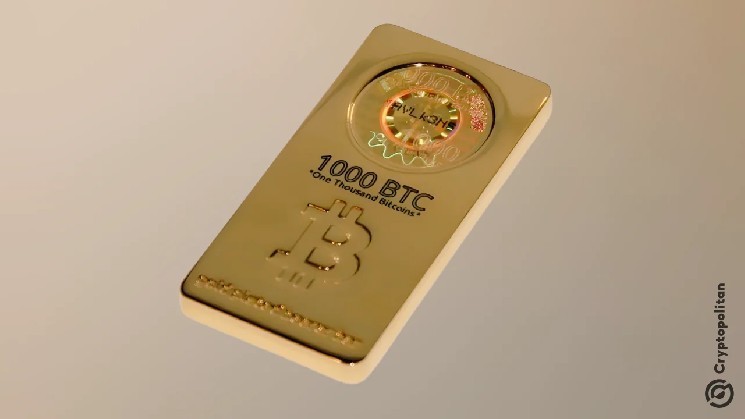
In a significant moment for cryptocurrency watchers, two Bitcoin Casascius coins—physical collectibles containing substantial digital value—have emerged from more than a decade of dormancy, transferring approximately 2,000 BTC worth around $180 million. The movement, occurring on December 5, represents one of the largest transfers from these rare physical Bitcoin artifacts this year, highlighting both the enduring value of early cryptocurrency investments and the continued relevance of these historical collectibles in today’s digital asset landscape.
The first Bitcoin Casascius coin had remained untouched for 13.2 years before moving 1,000.0028 BTC to a new address. Even more remarkably, the second coin transferred 999.99998110 BTC after 14 years of complete inactivity. These movements from early Bitcoin days come at a time when the cryptocurrency continues to maintain strong valuation, amplifying the financial significance of these once-dormant assets. Notably, several additional Casascius coins were also redeemed on the same day, with approximately 8 BTC moved from other physical coins, suggesting a possible coordinated decision by collectors or investors to liquidate or relocate these historical assets.
“The movement of Casascius coins represents more than just financial transfers—these are pieces of cryptocurrency history coming back to life,” explains cryptocurrency historian and market analyst Sarah Martinez. “When we see dormant coins from 2011 and 2012 suddenly activate, it provides fascinating insight into how early Bitcoin adopters are thinking about their holdings more than a decade later.” While the identity of the Casascius owners remains unknown—preserving the pseudonymous nature Bitcoin was designed to enable—speculation abounds regarding their motivations. The transfers could indicate plans to sell these substantial holdings, or they might simply represent prudent asset management, with owners transferring funds to newer, more secure storage solutions before physical damage might compromise access to their wealth.
The Curious History of Casascius: Physical Tokens of Digital Wealth
The story of Casascius coins provides a fascinating chapter in cryptocurrency’s evolution from digital curiosity to mainstream financial asset. Created by Mike Caldwell, a Utah-based entrepreneur, these physical collectibles were first introduced in 2011 when Bitcoin was still in its infancy. Each coin or bar functioned as a sophisticated cold storage device, containing a public Bitcoin address visible on its surface and a tamper-evident hologram protecting the private key hidden within. When an owner decided to access the Bitcoin value, removing the hologram would reveal the private key while leaving a distinctive honeycomb pattern that permanently signaled the coin had been “opened” or redeemed.
Caldwell produced these coveted items in various denominations, with coins containing anywhere from 0.1 BTC to the premium 1,000 BTC versions, while bars ranged from 100 BTC to 1,000 BTC each. During his production period from 2011 to late 2013, Caldwell manufactured and sold 27,912 Casascius coins and bars, collectively holding 98,483.9 BTC. Some versions featured additional security through encrypted private keys, requiring owners to use a specific passphrase to unlock their value. The care and craftsmanship that went into creating these physical representations of Bitcoin helped bridge the conceptual gap for many early adopters who were still adjusting to the idea of entirely digital money.
The Casascius era came to an abrupt end in late 2013 when the U.S. Financial Crimes Enforcement Network (FinCEN) determined that Caldwell’s activities constituted operating as an unregistered money transmitter, forcing him to cease production. This regulatory intervention inadvertently increased the collectible value of the existing coins, creating a unique dual-value proposition: each Casascius now holds both its face-value in Bitcoin and significant additional worth as a rare historical artifact from cryptocurrency’s early days. According to cryptocurrency researcher Sani, approximately 17,835 Casascius coins remain unopened today, containing a collective 36,467 bitcoins valued at approximately $3.29 billion at current market prices.
2025: The Year of Awakening Dormant Bitcoin
The recent movements of these high-value Casascius coins are not isolated incidents but part of a broader pattern observed throughout 2025, as numerous long-dormant Bitcoin wallets have shown signs of life. In July, Cryptopolitan reported the redemption of a Casascius coin containing 100 BTC, while late October saw another early Bitcoin investor release 9.5 BTC from nine separate Casascius coins. These activities have cryptocurrency analysts paying close attention to wallet movements dating back to Bitcoin’s earliest days, as they can sometimes signal changing sentiment among the cryptocurrency’s longest-term holders.
The phenomenon extends beyond Casascius coins to early digital wallets as well. Blockchain researcher Sani documented 16 separate transactions moving Bitcoin that had remained untouched for 14 years. These movements transferred approximately 64 BTC (worth about $5.7 million) from various wallet addresses over just two days. Even more recently, 7 BTC moved across four transactions after more than a decade of inactivity. Analysts debate whether these movements represent long-term holders finally taking profits, transfers to more secure modern wallet infrastructure, or perhaps the recovery of once-forgotten private keys as Bitcoin’s sustained value motivates thorough searches for old digital assets.
“What we’re witnessing is the cryptocurrency equivalent of finding buried treasure,” notes blockchain historian Marcus Chen. “These early Bitcoin adopters acquired their holdings when the cryptocurrency traded for dollars or even cents. Many likely forgot about their investments until recent years when Bitcoin’s valuation made headlines worldwide. Now we’re seeing the results of that renewed interest as dormant wallets spring back to life.” The movement of these ancient coins provides valuable market signals while simultaneously transferring wealth that was created during cryptocurrency’s experimental phase into today’s more mature ecosystem.
Collectible Cryptocurrency: Where Digital Value Meets Physical Artifacts
The continued fascination with Casascius coins highlights the unique intersection of digital assets and tangible collectibles within cryptocurrency culture. Unlike standard Bitcoin holdings that exist solely as entries on the blockchain, Casascius coins blend the physical and digital worlds, creating objects that can be held, displayed, and passed down through generations while still containing their cryptographic value. This dual nature has made them particularly valuable to collectors who appreciate both their historical significance and their intrinsic Bitcoin worth.
The rarity of unredeemed Casascius coins continues to increase with each redemption, potentially driving up the premium collectors are willing to pay beyond the face value Bitcoin they contain. While a standard Bitcoin might trade at market value, an unopened Casascius can command significant additional value based on its condition, rarity, and historical importance. This premium creates interesting economic decisions for owners, who must weigh the cryptocurrency value against the collector value when deciding whether to redeem their coins.
“Casascius coins represent a physical bridge between traditional collectibles and digital assets,” explains numismatic expert and cryptocurrency collector Jennifer Blakely. “They’re simultaneously vintage artifacts from Bitcoin’s early history and functional containers of digital wealth. This duality makes them uniquely valuable and increasingly rare as more are redeemed.” As cryptocurrency continues its march toward mainstream adoption, these physical artifacts serve as tangible reminders of its experimental beginnings, connecting the decentralized financial future with its grassroots past in ways purely digital assets cannot.
What Awakening Dormant Coins Tells Us About Bitcoin’s Future
The movement of long-dormant Bitcoin holdings, whether from Casascius coins or early digital wallets, provides valuable insight into the evolving cryptocurrency ecosystem. When early adopters make decisions about holdings they’ve maintained for over a decade, their actions can signal confidence or concerns about Bitcoin’s long-term prospects. The timing of these movements—occurring during a period of relatively strong Bitcoin valuation—suggests these early investors may see current prices as favorable for liquidation or at least redistribution of their assets.
Cryptocurrency market analysts carefully monitor these movements from early wallets, as substantial transfers from long-term holders can potentially impact market dynamics. However, the methodical nature of recent Casascius redemptions suggests careful planning rather than panic selling. These early adopters have demonstrated tremendous patience by holding their assets through multiple market cycles, indicating sophisticated investment perspectives that newer cryptocurrency participants would do well to study.
As Bitcoin approaches its third halving event and continues its evolution from experimental technology to established financial asset, these movements from its earliest days serve as powerful reminders of how far the cryptocurrency has come. What began as an obscure digital experiment traded among technologists and cypherpunks has transformed into a globally recognized store of value worth hundreds of billions of dollars. The awakening of these dormant coins bridges Bitcoin’s humble origins with its current prominence, creating a tangible link between cryptocurrency’s past and its increasingly mainstream future. Whether these early adopters are finally taking profits or simply upgrading their storage methods, their actions represent another chapter in Bitcoin’s remarkable journey from digital curiosity to financial revolution.