





Cryptocurrency Legislation Faces Critical Roadblocks in Senate Deliberations
Senate Negotiations Stall as Lawmakers Tackle Fundamental Issues in Crypto Bill
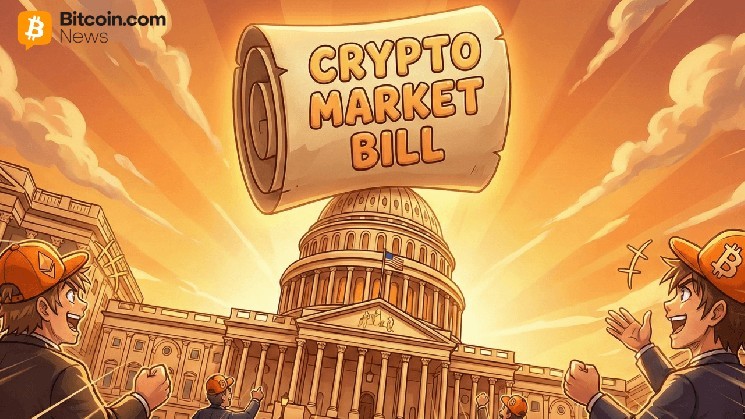
The ambitious cryptocurrency market structure bill currently under Senate review has hit significant obstacles as lawmakers grapple with contentious elements that must achieve consensus before a full vote can proceed. According to Jake Chervinsky, Chief Legal Officer at Variant, the legislation faces enough challenges that approval before February appears increasingly unlikely. This development comes at a pivotal moment for the cryptocurrency industry, which has long sought regulatory clarity amid a complex and often confusing legal landscape.
As the bill navigates through both the Banking Committee and the Agriculture Committee, several critical disputes have emerged as major stumbling blocks. The Banking Committee, responsible for addressing securities components of the legislation, and the Agriculture Committee, which oversees commodity-related aspects, have yet to reach agreement on three fundamental issues that Chervinsky characterizes as particularly divisive. These disputes center around stablecoin yield mechanisms, concerns regarding the current administration’s cryptocurrency connections, and protections for decentralized finance (DeFi) platforms and developers.
The Stablecoin Yield Controversy: Banking Sector Pushes Back
The first major point of contention revolves around the GENIUS Act and its provisions regarding stablecoin yields. Banking industry representatives have expressed significant dissatisfaction with how the legislation handles yield mechanisms for stablecoins. While the act prohibits stablecoin issuers themselves from paying yields to third parties holding these digital assets, it notably does not prevent third-party entities from offering such yields. This distinction has angered traditional banking institutions, which view it as an unfair “loophole” that requires correction.
Chervinsky describes the banking sector’s objections as “silly,” noting that these same institutions had previously agreed to the GENIUS Act’s specific language. Nevertheless, he acknowledges the considerable political influence wielded by banking interests, warning that “Banks are influential and they might be able to get a few senators to agree. That could be enough to kill the bill.” This reality underscores the precarious position of crypto-focused legislation when confronted with established financial power structures that may view digital assets as competitive threats rather than complementary innovations for the financial ecosystem.
Political Entanglements: Administration Ties to Cryptocurrency Raise Concerns
The second major obstacle involves growing concerns about potential conflicts of interest stemming from the current administration’s connections to cryptocurrency ventures. Some Senate Democrats have expressed reluctance to support crypto legislation given that the President and family members have reportedly been involved with cryptocurrency companies and even participated in launching meme coins. These connections have raised eyebrows and prompted calls for restrictions on elected officials’ ability to engage in cryptocurrency-related activities.
“The politics are simple and obvious, but a solution to move the bill forward is not,” Chervinsky observed, highlighting the challenging political dynamics at play. The situation presents a particularly difficult equation for lawmakers: how to advance necessary regulatory frameworks while addressing legitimate concerns about potential conflicts of interest. This political dimension adds a layer of complexity beyond the technical aspects of cryptocurrency regulation, demonstrating how the emerging digital asset industry continues to intersect with broader questions of governance and public trust in unexpected ways.
The DeFi Protection Dilemma: Defining the Scope of Regulation
Perhaps the most philosophically significant dispute centers on how the legislation should approach decentralized finance (DeFi) platforms and developers. The cryptocurrency industry has witnessed several high-profile enforcement cases against platforms like Tornado Cash, raising questions about the legal status of decentralized protocols. According to Chervinsky, appropriate protections for DeFi are essential, as the current bill primarily targets centralized structures that manage customer funds, not the developers of decentralized protocols.
However, traditional finance incumbents are lobbying aggressively for decentralized exchanges (DEXes) to face regulatory requirements similar to those imposed on centralized counterparts. This push represents a fundamental challenge to the distinct technological and operational characteristics that differentiate DeFi from traditional financial services. Chervinsky took a firm position on this issue, declaring: “There is no market structure bill without developer protections, because there is no crypto without developer protections. Hopefully, the whole industry will hold this line, even and especially centralized crypto companies dying to do a bill.” This stance reflects a broader understanding within the cryptocurrency community that preserving innovation requires recognizing the unique attributes of decentralized systems.
The Path Forward: Legislative Timeline and Industry Implications
The complexity and controversial nature of these issues suggest that the market structure bill faces a lengthy path to potential approval. Chervinsky’s assessment that lawmakers will continue deliberating these matters beyond February indicates that the cryptocurrency industry should prepare for an extended period of regulatory uncertainty. This timeline may disappoint those hoping for swift clarity but could also provide additional opportunities for industry stakeholders to shape the final legislation.
“There’s nothing more important than getting this right. We won’t have a second chance,” Chervinsky emphasized, underscoring the high stakes involved in these legislative negotiations. His comment reflects widespread recognition within the cryptocurrency community that this bill represents a potentially defining moment for the industry’s development in the United States. The eventual regulatory framework established could either foster innovation and competitive advantage or create burdensome conditions that push cryptocurrency ventures toward more accommodating jurisdictions.
Balancing Innovation and Regulation: The Challenge Ahead
As these Senate deliberations continue, the cryptocurrency industry faces a pivotal moment in its evolution. The market structure bill represents the most comprehensive attempt to date at creating a coherent regulatory framework for digital assets in the United States. How lawmakers resolve the disputes around stablecoin yields, government involvement, and DeFi protections will significantly influence the country’s position in the global cryptocurrency landscape.
The deliberative pace of these discussions may frustrate those seeking immediate regulatory clarity, but it also reflects the complexity of integrating novel financial technologies into existing legal frameworks. Stakeholders across the cryptocurrency ecosystem – from developers to investors to traditional financial institutions – maintain significant interests in the outcome. The challenge for lawmakers remains finding the delicate balance that provides necessary consumer protections and market stability while preserving the innovative potential that has made cryptocurrency one of the most dynamic sectors of the digital economy. As Chervinsky aptly noted, getting this balance right is essential, as the industry “won’t have a second chance” to establish appropriate foundational regulations.