







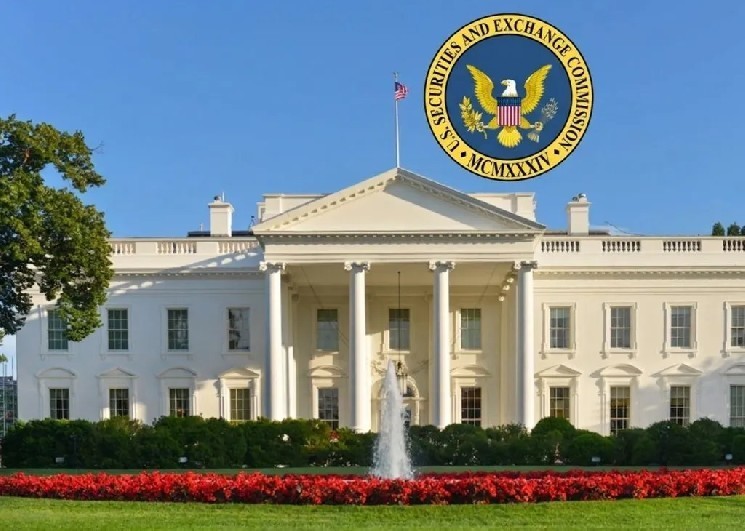
Major Regulatory Shifts in Crypto and Hedge Funds: Drafts Sent to White House for Crucial Review
In the ever-evolving landscape of financial regulation, where technology and tradition clash, a pair of groundbreaking proposals from the US Securities and Exchange Commission (SEC) has landed on the White House’s doorstep. These drafts, one targeting the burgeoning world of cryptocurrency and another reshaping reporting for hedge funds and private equity firms, represent a pivotal moment in American finance. As digital assets continue to capture headlines with their volatility and potential, and private funds grapple with stringent oversight, these submissions signal an administration eager to balance innovation with investor protection. What started as internal deliberations at the SEC is now part of a high-stakes review by the White House Office of Budget and Management (OMB), potentially setting the tone for how Wall Street navigates the next wave of economic disruption.
The journey of these regulatory blueprints underscores the intricate dance between government agencies and the rapid pace of market change. Dated March 20, the drafts emerged from the SEC’s extensive consultations with stakeholders, from tech entrepreneurs to seasoned fund managers. Their public unveiling, detailed on the OMB’s website, provides a glimpse into the White House’s methodical approach to financial policy. This isn’t just bureaucratic formality; it’s a public accountability measure, ensuring that rules governing billions in cryptocurrency investments and trillions in private fund assets aren’t crafted in isolation. Such transparency, however, invites scrutiny from industry lobbyists and consumer advocates alike, who are already mobilizing to influence the final outcomes. Amid debates over federal oversight, this review process highlights the challenge of regulating decentralized technologies while safeguarding the broader economy from potential pitfalls.
SEC Chairman Unveils Ambitious Plan for Crypto Innovation Exemption
Stepping into the spotlight, SEC Chairman Paul Atkins delivered a compelling speech last week that outlined a sweeping vision for digital assets, including a much-anticipated “innovation exemption” that could redefine the crypto industry’s relationship with regulators. Imagine startups in the crypto space being granted breathing room to experiment without the full weight of traditional registration requirements—think of it as a trial period where emerging firms aren’t immediately classified as brokers or exchanges. This proposal aims to foster creativity in blockchain technology, allowing companies to iterate on ideas like decentralized finance platforms without the paralyzing fear of immediate compliance costs. Atkins, drawing on his experience in navigating past financial crises, emphasized that this exemption isn’t a free pass but a calibrated response to the sector’s explosive growth, where raw innovation drives progress but risks abound. By providing a window—likely spanning months or years—for development, the plan seeks to prevent overly rigid rules from stifling a industry that’s already outpaced many regulatory frameworks.
Market watchers are divided on the exemption’s impact, with optimists seeing it as a catalyst for new entrants into the crypto ecosystem. Critics, however, warn that without robust safeguards, it could open doors to unchecked speculation, reminiscent of the wild days of the dot-com bubble or the rogue trading scandals of the early 2000s. Atkins’ roadmap extends beyond just exemptions; it includes enhanced reporting for digital asset activities, ensuring that even innovative firms contribute to transparency. This dual approach—nurturing growth while demanding accountability—reflects a nuanced understanding of how cryptocurrency, once dismissed as fringe, has permeated mainstream finance. As the drafts await OMB scrutiny, industry leaders are bracing for a potential boon to startups grappling with capital-raising hurdles.
Restructuring Reporting for Hedge Funds and Private Equity: A Bid to Lighten the Load
On the parallel track, the second draft promises transformative changes to Form PF, the cornerstone document that hedge funds, private equity firms, and other private funds rely on for reporting performance metrics and risk exposures. In his speech, Atkins didn’t mince words, calling current mandates an “overburden” that hinders rather than helps investment managers. Picture fund executives sifting through endless spreadsheets, compiling data that’s often arcane and time-consuming, all while striving to deliver returns for high-net-worth clients. This amendment proposes simplifying and streamlining these requirements, potentially reducing the administrative drag that has frustrated even the most compliant operators. By cutting red tape, the SEC aims to empower managers to focus on strategic decisions, fostering a more agile private capital market.
The implications for the broader finance sector are profound. Private equity, in particular, has ballooned into a global powerhouse, managing vast sums in everything from real estate ventures to tech acquisitions. Relaxing Form PF could spur greater innovation in fund structures, encouraging risk-taking that’s essential for economic dynamism. Yet, this shift raises eyebrows among regulators wary of concealed vulnerabilities, especially after high-profile implosions that exposed reporting gaps. Atkins, acknowledging the delicate balance, has directed teams to revise the form without compromising essential safeguards. As the proposal heads to the White House, it embodies a pragmatic pivot: acknowledging the burdens of the past while prioritizing efficiency in an era of data overload.
Postponing Reforms Amid Legacy of Financial Fallout
Delving deeper, the SEC’s decision to push back the effective date of new Form PF regulations—originally slated for implementation but now delayed until October 1—offers a stark reminder of the regulatory ripples from past crises. During former Chairman Gary Gensler’s tenure, stringent updates were introduced in response to the 2021 collapse of Archegos Capital Management, a family office whose leveraged bets unraveled disastrously, triggering billions in losses for major banks. Gensler’s reforms mandated richer disclosures on margin calls, counterparty exposures, and other risk factors, aiming to enhance systemic resilience. But as criticism mounted over their complexity and cost, Atkins championed a delay, granting managers a reprieve to adapt.
This postponement isn’t merely administrative; it’s a recalibration in the face of real-world feedback. Fund managers, often operating in fast-paced environments, had voiced concerns that the enhancements under Gensler went too far, potentially foreclosing opportunities in volatile markets. By extending the timeline, the SEC signals a willingness to refine rather than rush, ensuring rules evolve with the industry they oversee. Still, the Archegos saga lingers as a cautionary tale, underscoring the need for vigilance in an interconnected financial web where one fund’s misstep can cascade globally. As these drafts undergo White House review, the tension between robust oversight and operational freedom remains a focal point for investors and policymakers.
Broader Implications for Markets, Investors, and the Crypto-Hedge Fund Nexus
Looking ahead, the convergence of these regulations on cryptocurrency and private funds could reshape the investment landscape in ways both subtle and seismic. Digital assets, often seen as speculative playgrounds, might gain newfound legitimacy with the innovation exemption, attracting institutional capital that’s currently sidelined. Meanwhile, streamlined reporting for hedge funds could democratize private market access, enabling smaller investors to benefit from booms in sectors like sustainable energy or biotech. But this synergy isn’t without risks; without careful implementation, it could exacerbate inequalities, as seasoned players leverage advantages over novices.
Experts are watching closely for how the White House might tweak these drafts, potentially infusing them with executive perspectives on technological advancement and market stability. As global competitors like the European Union forge their own crypto frameworks, US regulators face pressure to maintain leadership without becoming overly prescriptive. For everyday investors, these developments promise a more dynamic arena, but one fraught with challenges like market manipulation and cyber threats. Ultimately, Atkins’ initiatives reflect a forward-looking ethos, blending deregulation with diligence to support an industry at its inflection point.
In summary, these SEC proposals encapsulate the duality of modern finance: harnessing innovation while mitigating mayhem. As they await final approval, the crypto and fund communities hold their breath, hoping for a regulatory environment that spurs growth without sparking turmoil. Whether through exemptions for tech pioneers or burdens lifted from fund titans, the path ahead demands a keen eye on balance. Yet, as regulatory landscapes shift, one message remains clear: prudence and adaptability are key.
*This is not investment advice.