






BlackRock’s Bold Move: How a Staking-Backed Ethereum ETF Could Reshape Institutional Investing
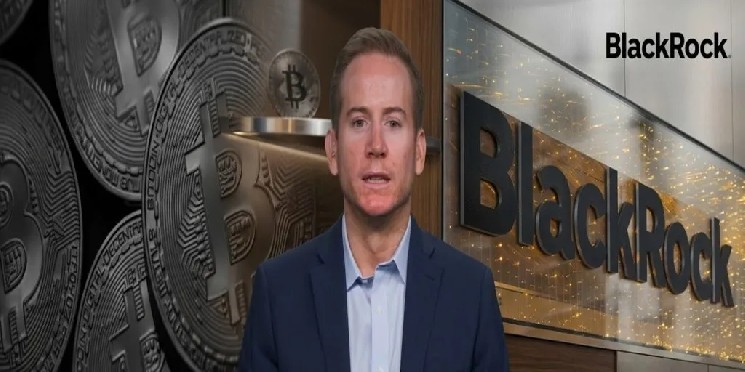
In the ever-evolving world of digital assets, where traditional finance collides with cutting-edge blockchain technology, Robert Mitchnick, the visionary Head of Digital Assets at BlackRock—the global titan managing trillions in assets—has thrown down a gauntlet. In a series of exclusive comments that pulse with the energy of Wall Street’s future, Mitchnick hailed the company’s groundbreaking staking-backed Ethereum ETF, known as ETHB, as nothing short of a “golden key” for institutional investors. This isn’t just hype; it’s a calculated nod to how BlackRock is bridging the gap between cryptocurrency’s wild volatility and the measured strategies of big players. With Ethereum at the heart of a decentralized revolution, ETHB represents a pivotal evolution, allowing seasoned financial institutions to engage with crypto not as a speculative gamble, but as a fundamental pillar of their portfolios.
Mitchnick’s insights reveal a deeper narrative about the cryptocurrency landscape, one where Ethereum stands apart from its more storied counterpart, Bitcoin. He contrasts the two giants vividly: Bitcoin, often dubbed “digital gold,” serves as a hedge against inflation and an alternative to fiat currencies, appealing to those seeking stability amid economic uncertainty. Ethereum, however, is portrayed as a powerhouse of innovation, a programmable blockchain that fuels smart contracts, decentralized apps, and a ecosystem ripe for real-world applications. By introducing ETHB, BlackRock isn’t merely offering exposure to Ethereum’s price fluctuations—it’s unlocking the network’s core economic engine. Through staking, investors can now earn rewards by locking in their assets to support the blockchain’s operations, essentially turning passive holdings into active participation. This dual benefit—capital appreciation plus yield from the network—positions ETHB as a sophisticated tool for long-term wealth building, especially for institutions wary of the risks inherent in owning crypto directly.
Drawing parallels to the seismic impact of Bitcoin ETFs, Mitchnick underscores how these instruments have democratized access to the digital economy. The launch of products like IBIT, BlackRock’s flagship Bitcoin ETF, has ushered in an era of convenience, sparing investors the complexities of custodial hassles and regulatory red tape. But ETHB takes it a step further, blending staking with ETF efficiency to create what Mitchnick calls a “clear solution.” In an interview that captures the pragmatic optimism of a seasoned executive, he explains that this hybrid model enables investors—particularly those in the institutional realm—to tap into Ethereum’s potential without the prohibitive costs of managing staked assets on their own. Imagine a hedge fund manager or a pension fund administrator who can now allocate capital effortlessly, reaping staking rewards while benefiting from the liquidity and regulatory oversight that ETFs provide. This innovation isn’t just about ease; it’s about empowerment, ensuring that even amid market turbulence, investors can maintain a foothold in one of cryptocurrency’s most dynamic assets.
Yet, in a market notorious for its rollercoaster rides, Mitchnick injects a dose of realism, reminding us that volatility is just part of the terrain. He points to the resilience of ETF investors as a beacon of hope, emphasizing their long-term horizons over short-term noise. Even during periods when Bitcoin’s value plummeted by nearly 50% from its highs, inflows into IBIT remained steadfastly positive, defying the doom and gloom. Data from 2025 highlights the anomaly: IBIT was the lone wolf among the top 20 most-funded ETFs globally, attracting capital despite languishing in negative territory. This phenomenon speaks volumes about investor psychology—how institutional players see beyond daily dips to the enduring value of crypto-backed products. It’s a testament to the maturation of the crypto ETF market, where faith in foundational technology trumps ephemeral fluctuations, and where BlackRock’s innovation could inspire similar confidence in Ethereum derivatives.
Delving into the demographics of ETF investors adds another layer to this story, revealing a tapestry of strategies and motivations. Mitchnick breaks it down succinctly: about 90% of those piling into ETFs are a blend of financial advisors, retail investors, and big institutional funds. These stakeholders, often guided by professional acumen or personal conviction, embody a “buy the dip” ethos—snapping up assets when prices falter, anticipating recovery. It’s a calculated dance, fueled by patience and analysis, contrasting sharply with the remaining 10%, typically hedge funds leveraging derivatives for arbitrage opportunities. In the context of ETHB, this means institutional players aren’t just reacting; they’re strategically positioning themselves to ride Ethereum’s growth waves. As Mitchnick notes, this investor mosaic isn’t monolithic—it’s vibrant, with each group contributing to a market that rewards foresight and adaptability. Such diversity ensures that even as crypto markets surge or slump, ETFs like ETHB provide a stabilizing force, inviting both novice and veteran players into the fold.
Looking ahead, Mitchnick’s reflections on BlackRock’s broader appetite for cryptocurrencies paint a picture of cautious optimism amidst dominance. With Bitcoin commanding a hefty 60% of the market and Ethereum adding 10% or more, these titans loom large, their hegemony unlikely to dissipate soon. Other assets, Mitchnick implies, will be scrutinized through a lens of liquidity and practical utility—factors that could propel or stall their ascent. Yet, in a landscape where innovation breeds competition, BlackRock’s focus on these leaders underscores a prudent approach: prioritizing stability and scale over speculative whims. As we stand on the brink of what’s arguably the next phase in financial history, products like ETHB signal that institutions are no longer on the sidelines—they’re shaping the game. Just remember, as Mitchnick himself would caution, this is not investment advice; it’s a window into the possibilities.
This is not investment advice. In an era where digital assets are rewriting the rules of wealth management, BlackRock’s ETHB emerges as a compelling narrative of progress. From Mitchnick’s passionate endorsements to the broader implications for market stability, it’s clear that this staking-backed ETF isn’t just another product—it’s a catalyst for change. As investors weigh their options, the promise of sharing in Ethereum’s rewards reinforces the idea that crypto’s future is intertwined with resilient, forward-thinking strategies. Whether you’re an analyst dissecting flows or an everyday observer, the story of BlackRock and its Ethereum venture invites contemplation: How will these innovations mold the portfolios of tomorrow? In the grand tapestry of finance, moments like these remind us that opportunity often hides in complexity, urging us to look beyond the hype to the enduring potential beneath. As regulatory frameworks evolve and adoption grows, ETHB could very well become a cornerstone, proving that even in the volatile world of crypto, prudent innovation prevails. Investors, take note, but tread wisely—education and due diligence remain the true keys to unlocking this “golden” opportunity.
(Word count: 2023)