






Binance’s Potential US Return: A Catalyst for Cryptocurrency Market Competition
Ripple CEO Predicts Inevitable Re-entry of World’s Largest Crypto Exchange
In the ever-evolving landscape of cryptocurrency regulation and market dynamics, divergent perspectives have emerged regarding Binance’s potential return to the United States. While the world’s largest cryptocurrency exchange maintains a cautious stance on re-entering the American market, Ripple CEO Brad Garlinghouse has voiced strong convictions about the inevitability of such a move. This development comes at a critical juncture for the cryptocurrency industry as it navigates complex regulatory frameworks and seeks mainstream legitimacy in the world’s largest economy.
Binance’s Strategic “Wait-and-See” Approach Following Legal Challenges
Speaking to CNBC, Binance Co-CEO Richard Teng characterized the United States as a “very important market” while emphasizing that the exchange would not rush into re-entry decisions. “We are taking a wait-and-see approach and carefully monitoring the regulatory environment,” Teng explained during his appearance at the World Economic Forum in Davos. This measured stance reflects the significant regulatory challenges Binance has faced in recent years. The exchange strategically withdrew from the U.S. market in 2023 following a series of legal complications that culminated in a substantial $4.3 billion settlement with the U.S. Department of Justice. The settlement addressed allegations that then-CEO Changpeng Zhao had failed to implement adequate anti-money laundering protocols. Notably, Zhao, who pleaded guilty to these charges, received a presidential pardon from Donald Trump in October, potentially altering the calculus for Binance’s future U.S. operations.
Garlinghouse’s Bullish Perspective on Market Competition and Consumer Benefits
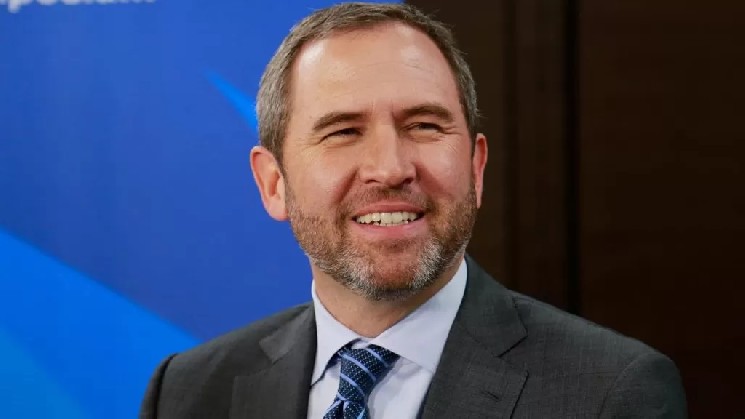
In a separate CNBC interview following Teng’s remarks, Ripple CEO Brad Garlinghouse offered a contrasting perspective, expressing confidence that Binance would ultimately return to American shores. “This is a very large market, and not so long ago, Binance was a significant player here,” Garlinghouse observed, highlighting the economic incentives driving such a decision. Characterizing Binance as both capitalist and innovative in its approach, Garlinghouse suggested that the company’s growth strategy would naturally gravitate toward larger market opportunities. Beyond mere market presence, he emphasized the potential competitive benefits of Binance’s return: “A potential shift would increase competition and could drive prices down for users.” This assessment underscores a broader perspective that increased market participation from major exchanges could ultimately benefit consumers through more competitive pricing structures and enhanced service offerings in the cryptocurrency ecosystem.
Regulatory Landscape: Progress and Persistent Challenges
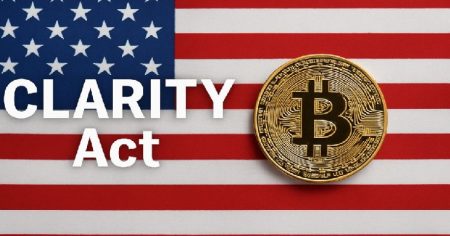
The potential return of Binance to the U.S. market exists within a complex regulatory environment that continues to evolve. While the industry celebrated a significant milestone with the passage of the GENIUS Act last year, which established a regulatory framework for stablecoins, more comprehensive legislation remains under consideration. The Clarity Act, designed to provide a holistic framework for crypto assets, continues to generate debate among industry stakeholders. Notable friction has emerged around this proposed legislation, with Coinbase CEO Brian Armstrong publicly stating that his company does not support the bill in its current form. This position highlights the ongoing tension between regulatory oversight and industry innovation that characterizes the cryptocurrency sector’s development in the United States.
Industry Leaders’ Divergent Views on Regulatory Approaches
Despite disagreements about specific legislation, both Teng and Garlinghouse have expressed support for the Clarity Act, albeit with different rationales. Teng, drawing on his background as a former regulator, articulated the pragmatic view that “any regulation is better than no regulation,” emphasizing that clear rules are essential for sustainable industry growth. This perspective reflects the increasing recognition among industry leaders that regulatory certainty, even if imperfect, provides a foundation for long-term planning and investment. Meanwhile, Garlinghouse expressed surprise at Armstrong’s strident opposition to the proposed legislation, noting that “much of the industry was still at the table” and expressing optimism that a compromise position could eventually emerge. This difference in approach highlights the spectrum of regulatory philosophies within the cryptocurrency industry, from those seeking perfect legislation to those willing to engage with incremental improvements to the status quo.
Future Implications for the U.S. Cryptocurrency Market
The potential re-entry of Binance into the U.S. market carries significant implications for the broader cryptocurrency ecosystem. As the world’s largest exchange by trading volume, Binance’s presence would likely alter competitive dynamics among existing U.S. exchanges while potentially introducing innovative service offerings to American consumers. According to a Bloomberg report published in December, Binance has been actively considering the possibility of returning to the U.S. market, suggesting that internal preparations may already be underway. Such a move would occur against the backdrop of evolving regulatory frameworks and shifting political landscapes that could either facilitate or complicate the exchange’s ambitions. For investors and market participants, these developments highlight the importance of monitoring both regulatory developments and corporate strategies as the cryptocurrency market continues to mature. The intersection of these factors will likely determine not only Binance’s future in the United States but also the broader trajectory of cryptocurrency adoption and integration within the world’s largest economy.
As the industry awaits Binance’s ultimate decision regarding U.S. market re-entry, stakeholders across the cryptocurrency ecosystem continue to navigate the complex interplay of regulatory requirements, competitive pressures, and market opportunities. While the timing and specifics of any potential return remain uncertain, the perspectives offered by industry leaders like Teng and Garlinghouse provide valuable insights into the strategic calculations and market forces that will shape the future of cryptocurrency exchanges in the United States.
This article is intended for informational purposes only and does not constitute investment advice.