






XRP Investors Eye Long-Term Gains: Can 1,000 Tokens Fund Retirement Amid Market Slumps?
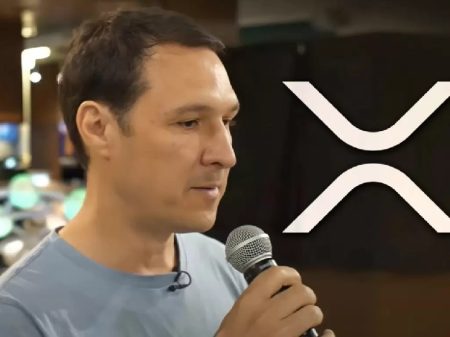
In the ever-volatile world of cryptocurrency, where fortunes can soar and plummet overnight, a familiar refrain is echoing once more among dedicated holders of XRP. Despite a punishing bear market that has left many licking their wounds, discussions about retiring on a humble investment of 1,000 XRP tokens are resurfacing. This optimism, unbowed by the latest downturns, underscores the resilient faith some have in the digital asset tied to Ripple’s payment network. XRP, once hailed as a bridge currency for cross-border transactions, has faced relentless headwinds, yet voices like that of prominent community figure Jake Claver continue to champion its potential. Claver, a vocal advocate through his video analyses and CEO role at Digital Ascension Group, is at the forefront of these debates, offering a beacon for those contemplating long-term holding strategies. His latest insights, however, come at a time when XRP’s price struggles highlight the stark realities of crypto volatility, reminding investors that patience and strategy are paramount in this unpredictable arena.
As the broader cryptocurrency landscape grapples with one of its most challenging periods in recent memory, XRP’s performance has been particularly disheartening for many. Currently trading around $1.32, the token has tumbled 63% from its all-time high of $3.60, a peak it hit in July 2025. This decline wasn’t isolated—it mirrors a wider Q1 2026 drop of 27.7%, positioning this quarter as potentially the worst for XRP since 2018, when it plunged 74.81% after a fleeting surge. Investors, grappling with paper losses, are increasingly shifting focus from profit-making dreams to mere break-even goals. To claw back to that lofty $3.60 mark, XRP would need a staggering 172% uplift, a feat that seems distant amid regulatory uncertainties and market apathy. The token’s ties to Ripple’s legal battles, including the ongoing SEC settlement, add layers of complexity, eroding confidence among short-term traders who entered the fray hoping for quick gains. Yet, for the die-hard community, this downturn is framed as a necessary recalibration, a test of resolve in an ecosystem where overnight riches are more myth than reality.
Enter Jake Claver, whose bullish commentary has become a rallying cry for XRP enthusiasts during turbulent times. In his recent video presentation, Claver dissected the feasibility of turning 1,000 XRP tokens into a retirement nest egg, weaving together data-driven projections with a dose of unwavering positivity. He’s not just speculating; Claver draws from years of observing the crypto space, emphasizing that consistent accumulation and dollar-cost averaging could yield rewards for those who hold through the storms. His message resonates particularly with long-term holders who’ve weathered five to eight years in the market, building positions incrementally. For newer entrants, however, Claver advises caution, warning that impulsive decisions during dips could compound woes. Drawing parallels to traditional investing wisdom, he likens crypto to patient farming rather than speculative gambling, encouraging investors to view dips as opportunities rather than disasters. This approach, he argues, differentiates successful long-term strategies from short-term bets doomed by emotional volatility.
Zooming in on the retirement math, Claver paints a vivid picture of what 1,000 XRP at $1,000 per token could mean— a cool $1 million windfall. It’s a tantalizing prospect, one that could transform lives and provide financial freedom for many. But Claver, ever the realist, tempers this optimism with caveats about modern living costs. In an era where inflation erodes purchasing power and lifestyle expectations have skyrocketed, he notes that $1 million isn’t the golden ticket it once was. For retirees in their 70s anticipating 20 to 30 more years, a sturdy nest egg of $3 million to $5 million is often necessary to cover essentials, healthcare, and leisure without exhausting funds prematurely. Claver points out that millionaire status, which carried immense weight in the 1990s and early 2000s, has been diluted by rising expenses across housing, food, and entertainment. Consequently, for true comfort in retirement, he suggests aiming for $10 million, achievable only if one scales up to 10,000 XRP at that hypothetical $1,000 price point. This scaled approach, generating around $500,000 annually at a conservative 5% return, could sustain a fulfilling lifestyle in more affordable U.S. locales like Dallas, where cost of living aligns well with middle-class aspirations.
The 10,000-token threshold ties directly into Claver’s updated timeline for XRP’s ascent, a prediction that has evolved amid shifting market dynamics. Initially, in 2025, when XRP was hovering around $2, he forecasted a $1,000 peak by year-end, envisioning a phenomenal 49,900% surge driven by potential derivatives market booms and mainstream adoption. That didn’t materialize, as unforeseen headwinds—ranging from global economic slowdowns to intensified regulatory scrutiny—kept prices subdued and even led to declines. Claver now pushes the target to 2027, with a possible 2026 acceleration contingent on catalysts like widespread institutional embrace or breakthroughs in Ripple’s cross-border payment technology. He’s pragmatic about the setbacks, attributing the missed 2025 deadline to unfulfilled events that had seemed plausible at the time. Still, his optimism persists, rooted in the fundamental utility of XRP as a frictionless remittance tool in an increasingly digital economy. For investors eyeing those 10,000 tokens, this means adopting a disciplined buying plan, perhaps through regular contributions that average out volatility, positioning them for eventual payoffs.
Ultimately, the saga of XRP and retirement dreams reflects broader themes in the cryptocurrency investment landscape: the interplay of risk, reward, and human resilience. New investors, staring down losses from high-entry points—like a $2,840 outlay for 1,000 tokens in October 2025 now worth $1,320—must confront the reality that recovery demands time and unwavering faith. Claver’s insights serve as a counterbalance, reminding the community that while past predictions falter, the crypto world rewards those who adapt and persevere. In pricier regions like California or New York, that $500,000 annual income might still fall short, prompting deeper accumulation or supplementary income strategies. Yet, for many, the allure of turning a modest holding into generational wealth keeps the flame alive, fostering a sense of community and shared purpose. As the market ebbs and flows, stories like these highlight the blend of speculation and strategy that defines investing in digital currencies— a domain where fortunes aren’t just made, but meticulously built over time. With Claver’s guidance, XRP faithful are reminded that retirement isn’t a sprint but a marathon, one where patience and prudent planning might just lead to the finish line of financial independence.