





Bitcoin’s Role Amid Global Market Turmoil: Insights from Wall Street Veterans
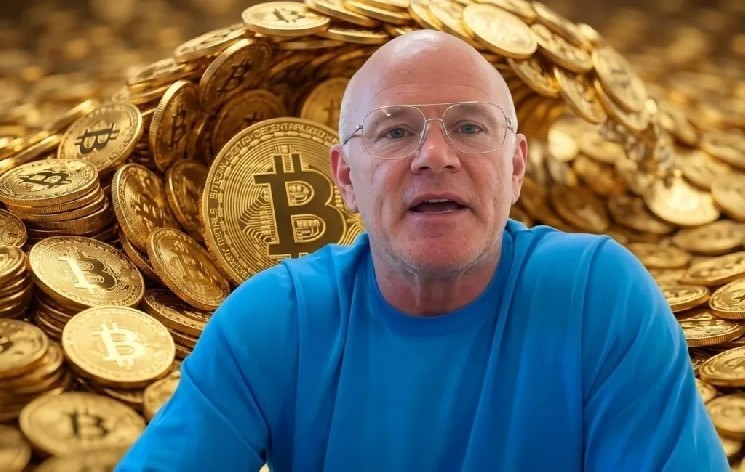
In an era defined by unprecedented economic turbulence, where the echoes of rising unemployment in the United States clash with geopolitical tensions simmering in the Middle East and the relentless squeeze of inflation, digital assets like Bitcoin have emerged as both a beacon of hope and a lightning rod for debate. Renowned investors Anthony Scaramucci and Mike Novogratz, two figures whose careers have been forged in the fires of hedge funds and high-stakes finance, recently shed light on Bitcoin’s volatile dance with these global forces. As traditional markets reel from interconnected crises—job losses erode consumer confidence, while regional conflicts disrupt energy flows and inflation erodes purchasing power—Bitcoin, often dubbed the digital gold, is being scrutinized for its potential to act as a hedge or accelerator in this chaotic landscape. Scaramucci, known for his candid commentary as a former White House communications director turned investor, and Novogratz, the founder of Galaxy Digital whose bullish outlook on crypto has made him a media fixture, offered a nuanced analysis on a popular financial program. They dissected how external shocks are influencing Bitcoin’s price trajectories, highlighting both its resilient qualities and inherent vulnerabilities. This discussion isn’t just about numbers on a screen; it’s a tale of innovation intersecting with instability, where old-world economic woes meet the cutting-edge world of blockchain. By examining their insights, we gain a deeper understanding of why Bitcoin might be diverging from the stock market’s script, yet still feels the aftershocks of broader sell-offs. As global investors grapple with these dynamics, the conversation underscores a pivotal question: Is Bitcoin a safe harbor in stormy seas, or merely a frothy wave in an ocean of uncertainty?
The Catalysts Behind Bitcoin’s Price Surge: MicroStrategy and Michael Saylor’s Bold Moves
Delving deeper into the mechanics of Bitcoin’s recent upward trajectory, Mike Novogratz pointed to a formidable duo at the heart of the rally: Michael Saylor and his brainchild, MicroStrategy. The cryptocurrency, which had languished in the $67,000 to $68,000 range, surged toward the $76,000 mark, a climb that many analysts attributed to strategic maneuvers rather than mere market euphoria. Novogratz, whose expertise in global macro trends has earned him a place among crypto’s thought leaders, framed Saylor as an architect of a “Bitcoin buying machine.” This isn’t hyperbole; MicroStrategy, under Saylor’s leadership, has transformed itself into a veritable powerhouse for accumulating digital assets. By offloading shares of tech giant Microsoft—easy cash in a volatile market—Saylor unlocked capital to fuel an aggressive acquisition spree of Bitcoin. But the real intrigue lies in the financing: high-interest debt instruments, encompassing convertible notes and term loans, funded this voracious appetite. It’s a strategy reminiscent of corporate raiders of the 1980s, where leverage becomes a tool for dominance, albeit in the decentralized realm of crypto. Novogratz’s commentary highlighted how Saylor’s unabashed conviction—coupled with MicroStrategy’s balance sheet gymnastics—created a self-perpetuating cycle, drawing in institutional dollars and amplifying Bitcoin’s momentum. This isn’t just a story of one company’s gambit; it’s illustrative of a broader shift where corporate treasuries are increasingly viewing Bitcoin as a tangible asset, akin to gold in a diversified portfolio. Yet, as Novogratz noted, such aggressive buying could portend longer-term implications for market stability. Observers might recall similar debt-fueled booms, like the dot-com bubble, where unchecked enthusiasm masked underlying risks. Saylor’s approach, while innovative, underscores the tension between innovation and prudence in an asset class that’s still maturing. As investors parse these dynamics, the narrative reveals how individual actors like Saylor can influence the entire ecosystem, turning personal bets into global market ripples.
Navigating Risks: Market Fears and the Specter of Price Corrections
However, Novogratz wasn’t content with applauding the bull run; he tempered his enthusiasm with a dose of reality, warning that the very engine driving Bitcoin’s ascent could also spark its decline. The investor emphasized that a pervasive fear permeating global markets has slowed the aggressive accumulation from players like Saylor, triggering a corrective phase. This slowdown isn’t isolated—it’s a symptom of broader economic anxieties, where unemployment data raises specters of recession and Middle East tensions fuel commodity volatility, creating an environment where risk-taking diminishes. For Bitcoin, this manifested as a pause in the relentless upward march, with prices pulling back from dizzying highs. Novogratz pinpointed a critical support level at $68,000 to $69,000, a psychological and technical threshold that could determine the next chapter. If Bitcoin holds steady above this line, he suggested, the path forward might lead to $80,000 or beyond—a target backed by sustained recovery in buyer confidence. But failure to stabilize here could usher in deeper retrenchments, echoing past market corrections that wiped out gains in mere weeks. This analysis dovetails with the human element of investing: fear, that primal emotion, often overrides logic, leading risk managers in large funds to scale back positions across assets. Novogratz’s perspective draws from his front-row seat in the crypto world, where he’s witnessed the highs and lows of a market that’s as volatile as it is transformative. It’s a reminder that while Bitcoin promises decentralization and wealth creation, it’s tethered to the whims of global sentiment. As geopolitical uncertainties mount—think of oil prices spiking due to regional flare-ups—investors are recalibrating, favoring caution over exuberance. This correction might be short-lived, a mere blip in the grand saga of digital supremacy, or it could signal a longer winter if economic headwinds persist. Either way, Novogratz’s insights illuminate the delicate balance between optimism and caution, urging market participants to read the tea leaves of broader economic indicators closely.
Bitcoin’s Tug-of-War: Divergence from Stocks and Parallels with Precious Metals
Adding layers to the dialogue, Novogratz contrasted Bitcoin’s behavior with traditional financial instruments, revealing a complex interplay of independence and interdependence. While the cryptocurrency has displayed inklings of divergence from mainstream markets—often bucking the trends that afflict equities—it hasn’t been immune to the gravitational pull of collective sell-offs. Recently, Bitcoin mirrored the sharp declines seen in precious metals like gold and silver, famously dubbed “safe-haven” assets. This synchronicity, Novogratz explained, stemmed from a universal flight to caution among risk managers overseeing massive portfolios. In an environment riddled with inflationary pressures and geopolitical risks, these stewards—think pension funds, endowments, and hedge pools—diversify or liquidate holdings to mitigate losses, creating a domino effect across asset classes. For Bitcoin, this meant lagging behind its storied reputation as a non-correlated asset, instead riding the coattails of commodities that share traits like scarcity and store-of-value allure. It’s a fascinating paradox: Bitcoin was born to disrupt, yet it frequently dances to the rhythm of Wall Street’s woes. Novogratz pointed to this as evidence of maturing integration, where once-fringe digital currencies now influence—or are influenced by—the Fos-Wire machinery of global finance. Dollar weakness, spurred by inflation, could bolster dollars into crypto, as investors seek alternatives to fiat that retain value. Yet, the sell-off wave underscores vulnerabilities, particularly when large funds trim positions to preserve capital amid uncertainty. This narrative echoes broader market narratives, such as the 2008 financial crisis, where interconnected weaknesses amplified downturns. As a result, Bitcoin’s journey reflects not just technical innovation but the human psychology of trust and trepidation. Investors grappling with these dynamics must consider how external shocks—be they unemployment spikes or diplomatic standoffs—reshape perceptions of risk. In this light, Novogratz’s observations serve as a bridge between crypto’s utopian promises and the gritty realities of economic interdependence.
The K-Shaped Economy: Wealth Gaps and Looming Political Ramifications in the US
Shifting gears from price charts to societal structures, Anthony Scaramucci injected a broader lens into the conversation, spotlighting the “K-shaped” segregation plaguing the US economy—a phenomenon where prosperity balloons for the elite while the less fortunate sink deeper into precarity. This bifurcated recovery, Scaramucci argued, fuels not just economic divides but potent political risks, with ripple effects potentially extending to global markets, including Bitcoin’s ecosystem. In a nation where the rich amass wealth through assets like cryptocurrencies amid low-interest rates and fiscal stimuli, the poor increasingly rely on food banks, exacerbating social fractures. Scaramucci, whose outspoken style blends investment acumen with policy critique, warned that such imbalances could ignite demands for radical overhauls, from wealth taxes designed to redistribute fortunes to sweeping tax reforms that rework the very fabric of capitalism. Imagine the implications for Bitcoin: if populist pressures mount, digital assets—often hoarded by the affluent as hedges—might become targets in a broader crusade against inequality. This isn’t mere speculation; historical precedents abound, like the post-World War II era when progressive taxation curtailed excess. Scaramucci’s insights draw from his deep ties to both finance and politics, offering a prognosis that’s as much sociological as it is economic. He emphasized how unemployment ravages communities, hollowing out the middle class and fostering dependency, while inflation gnaws at savings, widening the chasm. In this volatile mix, Bitcoin emerges as a double-edged sword: a tool for wealth preservation among the haves, yet potentially a scapegoat for the have-nots if discontent boils over. As market turmoil intersects with domestic strife, these tensions could depress risk appetite, influencing how institutions allocate to volatile assets like crypto. Scaramucci’s caution resonates in an age of social media-driven outrage, where economic disparities fuel movements that shape elections and policies. Investors, therefore, must heed not just financial metrics but the societal undercurrents that could disrupt Bitcoin’s upward trajectory.
Looking Ahead: Bitcoin’s Path Through Uncertainty
As the dust settles on this multifaceted discussion, the views from Scaramucci and Novogratz paint a portrait of Bitcoin as a resilient yet reactive force in a world of mounting uncertainties—from US job market woes to Middle Eastern conflicts and inflationary woes. Their perspectives illuminate the cryptocurrency’s dual nature: a beacon of innovation propelled by figures like Michael Saylor and MicroStrategy, yet vulnerable to the ebb and flow of global fear and domestic inequities. Bitcoin’s recent price movements, driven by strategic debt-fueled acquisitions and tempered by corrective pressures, reflect a maturing market where divergence from traditional assets coexists with shared vulnerabilities. The looming “K-shaped” disparity underscores broader risks, potentially leading to policy shifts that could reshape investment landscapes. Yet, for those navigating these waters, the story of Bitcoin transcends mere speculation; it’s a mirror to our times, challenging us to balance opportunity with prudence. As always, these insights are not investment advice—just informed commentary in an evolving narrative. The real test lies ahead, as Bitcoin contends with these forces, potentially emerging stronger or succumbing to the storms of change. Whether it hits $80,000 or recalibrates lower, its trajectory will likely continue to captivate and confound alike.