



Fed Leadership Shake-Up Stalls Amid Geopolitics and Internal Rifts
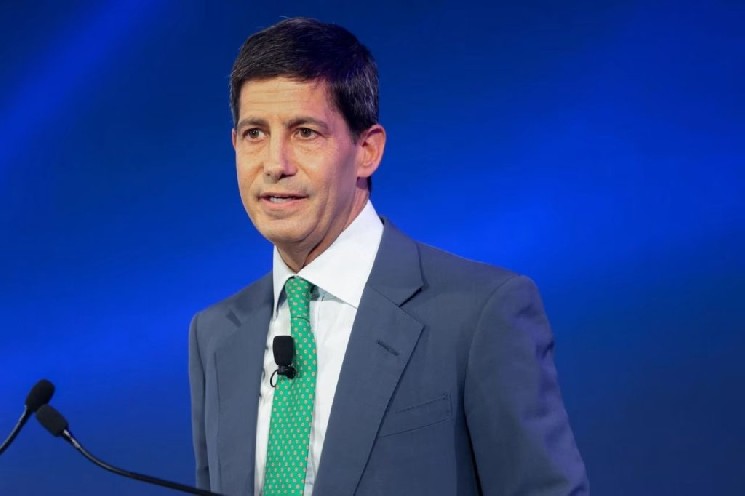
In the hallowed halls of American economic policy, where decisions ripple through stock markets and global trade, a pivotal drama is unfolding at the Federal Reserve. The process to replace Jerome Powell as Fed Chairman has ground to a halt, ensnared by a web of geopolitical unrest and partisan squabbles. According to insider sources close to the situation, the nomination of Kevin Warsh—a former Fed governor and Treasury Department official under President George W. Bush—is firmly “at an impasse.” This limbo not only throws the central bank’s future into uncertainty but also underscores the fragile interplay between economic stewardship and political maneuvering in Washington. As tensions simmer with Iran over nuclear negotiations and energy markets face turbulence, the delay in confirming Warsh highlights how external crises can collide with domestic power plays, leaving markets and policymakers alike on edge.
Delving deeper, the primary roadblock centers on Republican Senator Thom Tillis of North Carolina, whose influence in the Senate Banking Committee wields significant sway. Reports emerging from Capitol Hill circles suggest Tillis has firmly vetoed any forward movement on Warsh’s candidacy until the Justice Department wraps up its probe into Powell’s ambitious $2.5 billion Fed restructuring initiative. This overhaul, aimed at modernizing the central bank’s operations in a digital age, has drawn scrutiny over potential conflicts of interest and procurement irregularities, transforming what was once a routine administrative shuffle into a potential scandal. Tillis, leveraging his leverage as a key GOP voice, argues that rushing the process without clarity could undermine institutional integrity. His stance reflects a broader conservative wariness toward rapid changes at institutions like the Fed, where stability and accountability are prized amid volatile times. For observers, this halt isn’t just procedural—it’s a testament to how investigations, often lingering like shadows, can dictate the tempo of high-stakes appointments.
Yet, in a twist that complicates matters further, whispers in political corridors suggest Jerome Powell might linger in the chairman’s seat beyond his term’s expiration. This temporary extension, while pragmatic, poses a formidable barrier to the broader objectives of President Donald Trump’s administration, particularly its push for more accommodative monetary policies. Trump and his allies have publicly championed Warsh for his history of advocating lower interest rates and a deregulatory bent that aligns with market-friendly ideologies. By accelerating Warsh’s rise, the administration hopes to pivot the Fed toward policies that could stimulate growth without the constraints of heightened inflation controls. However, Powell’s potential holdover—seen by some as a stabilizing choice given his track record through economic upheavals—could dilute that momentum. This scenario paints a picture of competing visions: one rooted in continuity and caution, the other in urgency and reform, all playing out against a backdrop of rising global stakes.
On Wall Street, where fortunes hinge on predictability, anxieties are mounting. Geopolitical flashpoints, including escalating rhetoric with Iran and the resultant spikes in oil prices, are exacerbating inflationary pressures that analysts warn could spiral if not addressed. The absence of clear leadership at the Fed amplifies these risks, potentially fueling market volatility and eroding investor confidence. In an era of supply-side shocks from energy disruptions to supply chain snarls, analysts from firms like Goldman Sachs and JPMorgan Chase point to how uncertainty in monetary policy direction could lead to erratic trading patterns. Imagine a scenario where energy costs climb unabated, corporate earnings falter, and consumers tighten their belts— without a steady hand at the Fed, such conditions might catalyze a broader downturn. The stakes feel personal for everyday investors, from retirees clutching portfolios to entrepreneurs seeking capital, all wondering if this leadership vacuum could herald more recessions or bouts of inflation akin to the stagflationary woes of the 1970s.
Interestingly, this economic intrigue coincides with developments in the tech and cryptocurrency sectors, offering a stark counterpoint to the Fed’s traditionalist troubles. Amid the buzz, Ripple—a leading blockchain firm known for its XRP digital asset—recently announced the launch of a major artificial intelligence initiative aimed at revolutionizing cross-border payments. This move, integrating AI with decentralized finance, could democratize transactions in ways that challenge conventional banking norms, potentially alleviating some of the pains wrought by geopolitical tariffs and financial sanctions. While not directly linked to the Fed saga, Ripple’s bold foray underscores a parallel narrative of innovation racing against institutional inertia. As central banks grapple with legacy challenges, private entities like Ripple are experimenting with AI-driven efficiencies, hinting at a future where tech outpaces policy debates. It’s a reminder that in an interconnected world, solutions to economic woes might emerge from unexpected quarters, far from the marble corridors of Washington.
Ultimately, as the Fed leadership question hangs in the balance, the broader implications for American prosperity and global stability remain profound. The impasse not only delays appointments but also exposes vulnerabilities in how the U.S. responds to overlapping crises—from international conflicts to domestic probes. With the Justice Department’s investigation still pending and geopolitical dust clouds refusing to settle, markets may brace for turbulence unless clarity emerges soon. Yet, for policymakers, there’s a silver lining in resilience: historical precedents, like the swift response to the 2008 financial crisis, show that American institutions can navigate upheaval. As stakeholders from Wall Street to Main Street watch, the resolution of this drama will likely define the tone of economic policy for years. It’s not just about naming a chairman; it’s about safeguarding a system under siege. And crucially, remember, this analysis is not investment advice—consult professionals for personalized guidance. As we stand at this crossroads, one thing is clear: the Fed’s future is intertwined with forces far beyond its own walls, demanding vigilance and adaptability in equal measure.