





Tether’s Bid for Juventus Stake Rejected: Agnelli Family Firm in Long-Term Commitment to Club
Historic Italian Football Giant Remains Under Family Control as Cryptocurrency Company’s €1 Billion Offer Falls Short
In a decisive move that underscores the deep-rooted connection between Italian football and traditional ownership, cryptocurrency giant Tether has had its ambitious bid to acquire a majority stake in Juventus FC firmly rejected by the club’s controlling shareholders. The development represents a significant intersection of traditional sports ownership and the emerging influence of digital finance in global athletics.
Exor, the powerful holding company controlled by the storied Agnelli family, issued a clear statement on Saturday reaffirming its unwavering commitment to maintaining control of the Turin-based football institution. “Exor has repeatedly stated that it has no intention of selling any of its shares in Juventus to any third party, including El Salvador-based Tether,” the statement declared. The holding company emphasized that the Agnelli family maintains its “long-term commitment to the club as stable and proud shareholders of Juventus,” effectively closing the door on any potential ownership change in the foreseeable future.
Tether’s Growing Presence in Italian Football Landscape
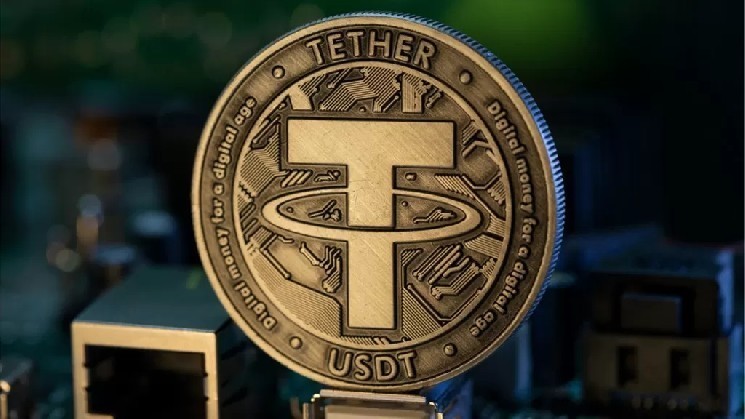
Despite the rejection, Tether has already established a foothold in the club’s operations. The cryptocurrency company, which issues the world’s largest stablecoin with a circulating supply approaching $184 billion, currently owns approximately 11.5% of Juventus shares traded on the Milan Stock Exchange. This significant minority position was further strengthened during the Juventus General Assembly last November when Paolo Garino, Tether’s nominee, secured a position on the club’s board of directors—a move that signaled the company’s serious interest in increasing its influence within the organization.
Tether CEO Paolo Ardoino had publicly expressed the company’s substantial financial commitment prior to the rejection, stating that Tether was “ready to invest 1 billion euros to support and develop the club.” Ardoino’s personal connection to the club added an emotional dimension to the proposed acquisition, as he revealed his lifelong support for Juventus and credited the team with teaching him “concepts of responsibility and resilience” during his formative years. This personal narrative highlighted how Tether’s interest transcended mere financial investment, representing an attempt to merge cryptocurrency wealth with the cultural heritage embodied by one of Europe’s most prestigious football clubs.
Century of Agnelli Family Stewardship Sets High Bar for Potential Investors
The rejection underscores the extraordinary legacy of the Agnelli family’s ownership of Juventus, which spans more than a century and represents one of the longest-standing ownership dynasties in world football. Since acquiring the club in 1923, the industrial family has overseen Juventus’s transformation into a global footballing powerhouse, with the club accumulating a record 36 Italian league championships and establishing itself as a perennial contender in European competitions. This century-long stewardship has created a powerful bond between the Agnelli name and Juventus’s identity that extends far beyond conventional business considerations.
The emotional and historical significance of this relationship appears to have outweighed even the substantial financial resources Tether brought to the negotiation table. For many Juventus supporters, the Agnelli family represents continuity and tradition in an era where football ownership has become increasingly volatile and internationalized. The family’s rejection of Tether’s offer signals their determination to preserve this legacy despite the potential financial benefits that might have accompanied the cryptocurrency company’s investment.
Cryptocurrency and Sports: A Growing Intersection Despite Setbacks
Tether’s attempt to acquire Juventus represents part of a broader trend of cryptocurrency companies seeking to establish legitimacy and visibility through sports sponsorships and investments. The cryptocurrency sector has recognized the global appeal and emotional engagement of sports franchises as valuable platforms for building brand recognition and consumer trust. From stadium naming rights to jersey sponsorships, digital asset companies have rapidly expanded their presence across the sporting landscape.
For Tether specifically, there existed a notable personal connection driving the acquisition attempt. Giancarlo Devasini, the Chairman of Tether’s Board, was born in Turin—the very city Juventus calls home—creating a geographical link between the company’s leadership and the club. This local connection potentially offered Tether a narrative that could have helped bridge the gap between digital finance innovation and traditional football culture. Despite this alignment and Tether’s existing minority stake, Exor’s unambiguous rejection suggests that even substantial cryptocurrency wealth faces significant barriers when attempting to displace deeply established ownership structures in European football’s most storied institutions.
Future Implications for Football Ownership and Digital Finance Integration
While Tether’s bid has been rejected, the episode illuminates evolving dynamics in football club ownership and potential future integration between traditional sports institutions and digital finance. For cryptocurrency companies seeking to expand their cultural footprint, the lesson appears to be that even substantial financial resources may not overcome the historical and emotional bonds that connect certain clubs to their long-term owners. This reality may direct future cryptocurrency investments toward clubs with less entrenched ownership structures or toward partnership models that don’t require controlling stakes.
For Juventus and the Agnelli family, the decision reaffirms their commitment to maintaining their historical stewardship of the club while navigating modern financial challenges. As European football continues to seek sustainable economic models in an increasingly competitive landscape, the club may still benefit from cryptocurrency partnerships and investments that don’t compromise controlling interests. The rejection of Tether’s bid doesn’t necessarily close the door on future collaboration, but rather establishes clear boundaries regarding ownership control. As both the football industry and cryptocurrency sector continue evolving, the intersection between these worlds will likely produce new models of engagement that respect tradition while embracing financial innovation—just not in the form of majority ownership changes at Europe’s most historically significant clubs.
This article does not constitute investment advice.