


US Inflation Fears Rekindle Amid Iran Tensions
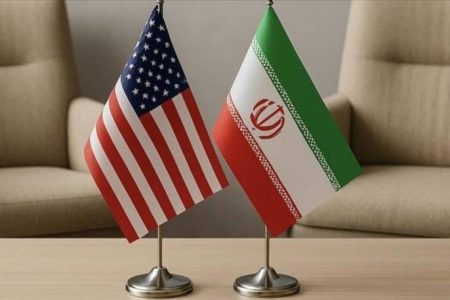
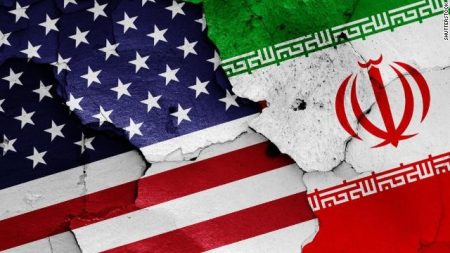
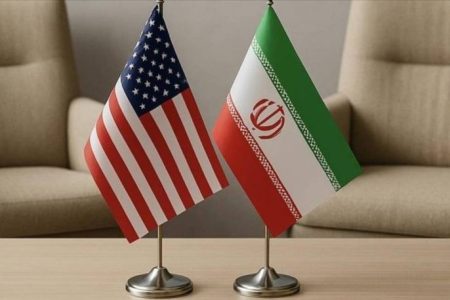
As geopolitical tensions in the Middle East continue to simmer, a familiar specter looms large over the American economic landscape: inflation. The protracted conflict between the United States and Iran, marked by escalating sanctions, military posturing, and diplomatic standoffs, has analysts reevaluating the stability of consumer prices. In a world already grappling with recovering supply chains and fluctuating energy costs, these developments aren’t just isolated events—they’re potential catalysts for broader economic shifts. Experts warn that prolonged hostilities could disrupt global oil supplies, driving up costs for gasoline and other commodities, and indirectly fueling inflationary pressures. The Federal Reserve, ever vigilant, might find itself compelled to adjust its monetary policy, possibly even contemplating interest rate hikes to curb any runaway price growth. This scenario paints a picture of uncertainty where economic peace hinges on diplomatic resolutions or, at the very least, stalemates in the region.
The roots of this inflation anxiety trace back to the Iranian nuclear saga, which has long entangled economic sanctions with military brinkmanship. Since 2018, when the US unilaterally pulled out of the 2015 nuclear deal, relations have deteriorated, leading to crippling economic measures against Iran. These sanctions have curtailed Iran’s oil exports, but retaliatory actions, such as attacks on shipping lanes and drone strikes, have periodically spiked global oil prices. For instance, in April 2024, Iranian-backed militants targeted vessels in the Red Sea, causing a brief but sharp rise in crude oil futures. Such disruptions aren’t mere footnotes; they reverberate through the energy markets, increasing production costs and passing on higher expenses to consumers. Economists at various think tanks, including the Brookings Institution, have noted that sustained conflicts in oil-rich regions could erode the post-pandemic recovery, pushing inflation beyond the Fed’s 2% target. With the US economy still healing from inflation highs that peaked at 9.1% in June 2022, any external shock could reignite those fears, complicating efforts to stabilize prices without stalling growth.
Amid this backdrop, JPMorgan Chase, one of Wall Street’s most influential banking giants, has delivered a sobering update on Federal Reserve interest rate expectations. In a recent report from the Bank of Korea’s New York office, compiled by Maeil Business Newspaper, the firm signaled that the era of rate reductions may have drawn to a close. Specifically, JPMorgan asserts that the interest rate reduction cycle concluded in December, effectively ruling out any cuts for the remainder of the year. This pivot represents a stark reversal from earlier projections, which had anticipated at least one modest trim. Now, the bank forecasts that the federal funds rate will hold steady within a range of 5.25% to 5.5% through year-end, barring any major surprises. Such a stance underscores a cautious optimism tempered by rising risks, as JPMorgan economists highlight how geopolitical flare-ups could prolong inflationary trends.
Diving deeper into JPMorgan’s outlook, the bank’s analysts foresee no reprieve for rate cutters in 2026 either, projecting that borrowing costs will remain anchored in the 4.0% to 4.25% bracket—though slightly revised from prior estimates. The firm warns that inflation could persist above the Fed’s comfort zone for years to come, driven by factors like elevated energy prices and wage pressures. In a noteworthy twist, JPMorgan even posits a potential uptick in rates as early as 2027, suggesting the central bank might elevate them to around 4% if economic indicators warrant tighter credit conditions. This forecast paints a portrait of monetary policy in a holding pattern, where patience becomes the watchword. Analysts at JPMorgan emphasize that while global supply chains have improved, the unresolved US-Iran standoff introduces variables that could derail deflationary hopes, potentially forcing the Fed to prioritize price stability over growth stimulation.
Contrasting JPMorgan’s conservative view, other financial heavyweights offer varying degrees of optimism about potential rate reductions. For example, Citigroup and TD Cowen foresee up to three cuts in the coming year, banking on subdued inflation and softening labor markets to allow for gradual easing. Banks like Barclays, Bank of America (BoFA), Goldman Sachs, Morgan Stanley, Nomura, and Wells Fargo, meanwhile, predict a more tempered approach with two reductions, reflecting a balanced assessment of domestic economic headwinds and external volatilities. Deutsche Bank stands out with its expectation of just one cut, aligning closer to JPMorgan’s caution but not quite as stringent. These differing projections illustrate the consensus view on Wall Street: while the US-Iran conflict adds volatility, many institutions believe the Fed can navigate the storm without aggressive rate hikes. Market observers, including economists like those at the Atlantic Council, argue that diversified energy sources and strategic reserves could mitigate oil price shocks, keeping inflation in check and opening doors for measured rate adjustments.
Looking ahead, the interplay between geopolitical strife and economic policy demands vigilant monitoring by investors and policymakers alike. As the world watches the US-Iran standoff, the threat of inflation underscores the delicate balance of global stability. Yet, in this complex tapestry, opportunities for resilience emerge—through diplomatic breakthroughs or technological innovations in energy efficiency. For everyday Americans, this means preparing for potential price hikes on everything from household energy bills to imported goods. Financial experts advise hedging against inflation through diversified portfolios, including Treasury Inflation-Protected Securities (TIPS), while staying informed about Fed announcements. Ultimately, while JPMorgan’s grim prognosis highlights risks, broader economic strengths like robust job markets and fiscal supports could temper the impact. In the end, the path to economic tranquility likely requires not just monetary tools, but peaceful resolutions in the international arena. *This is not investment advice; please consult a qualified financial advisor for personalized guidance.