


Israel’s Bold Preemptive Strike Ignites Middle East Flashpoint
In a dramatic escalation of long-simmering tensions between Israel and Iran, Tel Aviv unleashed a preemptive aerial assault on Iranian soil, marking a pivotal moment in the volatile geopolitics of the Middle East. Reports from credible U.S.-based news outlets painted a picture of calculated aggression, with Israeli officials framing the operation as an essential defensive measure against mounting threats from Tehran’s proxies. This incident comes on the heels of heightened rhetoric and skirmishes, including alleged Israeli covert actions targeting Iranian-backed militia groups in Syria and Lebanon. As diplomats and military analysts scramble for clarity, the strike has already set off alarm bells across global capitals, raising fears of a wider regional conflagration. Eyewitness accounts and satellite imagery have begun to trickle in, suggesting precision strikes on key facilities, but the full scope remains shrouded in secrecy and conflicting narratives. With both nations boasting formidable arsenals, including advanced missile technology, the incident underscores the fragile balance of power in one of the world’s most strategic corridors. Experts warn that this could be more than a isolated raid—potentially a catalyst for broader conflict that echoes historical proxy wars from the Cold War era. As the night unfolded, social media buzzed with real-time updates, and financial markets twitched nervously, reflecting the interconnected web of global uncertainties tied to this unfolding crisis.
Deepening the immediacy of the threat, Israeli Defense Minister Israel Katz swiftly took to the podium to confirm the strike, labeling it a “preventive operation” aimed at neutralizing looming dangers. In a televised address that exuded resolve and caution, Katz declared a nationwide state of emergency, activating Israel’s vaunted Iron Dome defense system and mobilizing civil defense units. He emphasized preparedness for a barrage of retaliatory strikes, singling out Iran’s drone fleets and ballistic missiles as primary concerns. This announcement sent ripples through Israeli society, where citizens quickly stocked up on essentials and sought shelter, harking back to the tense weeks of the Yom Kippur War or the Hamas-led barrage of rockets from Gaza. Katz’s rhetoric, however, stopped short of detailing specific targets, fueling speculation about whether the focus was on Iranian military installations, nuclear enrichment sites, or clandestine operations supporting Hezbollah and other Iranian affiliates. Media outlets like CNN, drawing from Israeli military briefings, reported that the operation targeted purported hubs of aggression, aiming to disrupt Iran’s asymmetric warfare tactics that have long plagued regional stability. Internationally, the move drew comparisons to past Israeli actions, such as the 1981 Osirak strike against Iraq’s nascent nuclear program, illustrating a pattern of proactive defense in the face of existential perceptions. As sirens tested across Israeli cities, the Minister’s words underscored a government unwilling to cede strategic advantage, yet acutely aware of the perilous edge of escalation in an era of rapid technological warfare.
Compounding the intrigue, U.S. sources revealed a layer of international coordination that complicates the geopolitical chessboard. According to CNN’s deep-dive reporting, Israeli leaders had reached out to Washington beforehand, securing tacit approval for the preemptive action. This collaboration underscores the deepening alignment between the U.S. and Israel under the Biden administration, amid shared concerns over Iran’s nuclear ambitions and destabilizing influence in Yemen, Syria, and beyond. Pentagon officials, speaking on condition of anonymity, hinted at behind-the-scenes logistics, including intelligence sharing that enabled the strike’s precision. While the White House maintained a cautious public stance, refusing to confirm direct involvement, analysts point to parallel U.S. naval deployments in the Persian Gulf as a show of solidarity. Such partnerships trace back to decades of strategic pacts, but in today’s polarized climate, they invite accusations of reckless endangerment from critics wary of further entangling America in Middle Eastern quagmires. Reports from the Associated Press added another dimension, citing thunderous explosions near the Tehran residence of Iran’s Supreme Leader Ayatollah Ali Khamenei, suggesting the strike may have brushed perilously close to the heart of Iranian power. This proximity has sparked debates about whether the attack was purely prophylactic or carried a more provocative intent, potentially signaling a shift toward direct confrontations over shadowy proxy engagements. As global news cycles devoured these details, the incident highlighted the intricate dance of diplomacy and deterrence, where one nation’s preemption could cascade into unintended consequences for allies and adversaries alike.
On the Iranian end, officials swiftly countered the narrative with assurances of resilience and defiance, claiming that Supreme Leader Khamenei had been safely relocated to an undisclosed bunker before any impacts. State media broadcast defiant statements, portraying the Israeli action as a brazen act of terrorism deserving unrelenting reprisal, while downplaying any physical damages to maintain national morale. Images of anti-Israel protests erupted in Tehran and other cities, with chants echoing through the streets, reminiscent of the fervor following a 2020 drone strike on Iranian general Qasem Soleimani. Diplomatically, Tehran summoned ambassadors from key nations, accusing Israel and its U.S. backers of imperialistic overreach and vowing to recalibrate its regional influence. The New York Times further expanded the scope, reporting that U.S. military assets had concurrently initiated their own operations against Iranian-linked targets, possibly including cyber intrusions or interceptions in international waters. This confluence of actions has analysts scrambling to decode whether this marks the onset of a synchronized campaign, akin to the multilateral responses to Saddam Hussein’s Iraq. Investors and policymakers alike are watching closely, as such escalations could disrupt vital energy routes and inflame sectarian divides across the Shia crescent from Beirut to Baghdad. Amid this backdrop, Iran’s reclamation that Khamenei remains unharmed serves as a psychological victory, reinforcing Tehran’s image as a resilient force in the face of Western pressures, yet it also stokes fears of asymmetric responses that could manifest anywhere from cyberattacks on global finance to proxy attacks in distant theaters.
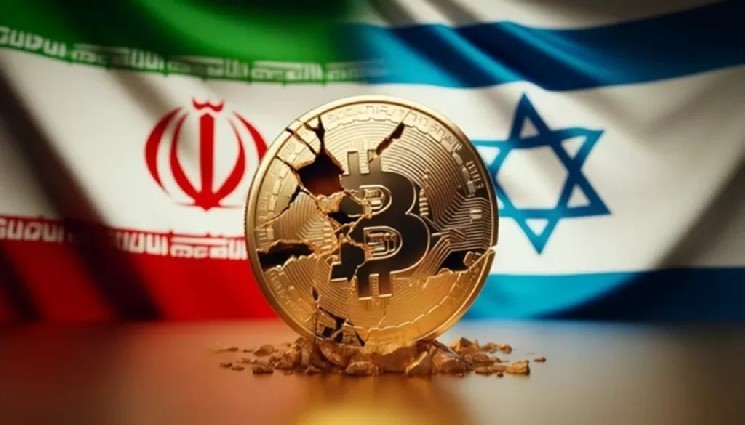
The ripple effects of this conflict aren’t confined to military spheres, spilling over into economic circles with palpable immediacy. Cryptocurrency markets, often seen as barometers of global uncertainty, witnessed a sharp downturn in Bitcoin prices shortly after the strike’s news broke. Analysts noted a correlation between geopolitical tremors and digital asset volatility, as investors sought safer havens amid fears of prolonged instability that could affect international trade and energy supplies. This drop, erasing billions in market capitalization, underscores how modern crises intertwine with the burgeoning world of decentralized finance, where a single headline can trigger algorithmic sell-offs. While some dismiss Bitcoin’s fluctuations as speculative noise, others see it as symptomatic of broader investor jitters, including dips in stock indices across Europe and Asia. Oil prices, too, edged higher, reflecting heightened risks to Middle Eastern pipelines and shipping lanes, which are critical for global energy flows. Economists warn of inflationary pressures if tensions escalate, potentially straining commodity-dependent economies from China to the U.S. The article’s disclaimer on investment advice rings true in this volatile climate, as individual speculators grapple with opaque market forces. Yet, this incident also spotlights innovative hedging strategies, such as digital assets’ role in diversifying away from traditional gold or bonds during uncertain times. As traders monitor real-time updates, the strike’s economic fallout serves as a stark reminder of how intertwined Middle Eastern conflicts have become with the fabric of global prosperity, influencing everything from gas station pumps to Wall Street boards.
In the aftermath, military strategists and international relations experts are piecing together the broader implications, painting a picture of a region teetering on the brink. Dr. Emily Hawksworth, a seasoned analyst at a Washington-based think tank, cautioned that while Israel’s preemptive calculus might deter immediate threats, it risks igniting a cycle of retaliation that could engulf the Gulf monarchies and beyond. Historical precedents, like the Iranian missile barrage on Israeli positions following a 2024 strike, suggest Iran’s response might be calibrated yet formidable, potentially drawing in actors like Russia or China with vested interests. Domestically, Israel’s strategic calculus hinges on U.S. support for shielding its airspace and cyber defenses, but faltering bipartisan backing in Congress could complicate matters. For Iran, the episode reinforces its narrative of resistance against Zionist “aggression,” mobilizing domestic support while testing the limits of sanctions-weary Western resolve. Diplomats are urging de-escalatory dialogue, perhaps facilitated by the United Nations, to avert a misstep into full-scale war. As satellite images reveal smoke over targeted sites and diplomats huddle in emergency sessions, the world holds its breath for the next move. This isn’t just about airstrikes or missiles; it’s a test of wills that could reshape alliances and redraw maps in the world’s most strategic crossroads. With human lives and economic fates hanging in the balance, the international community must navigate this labyrinth with unprecedented foresight, ensuring that preemption doesn’t pave the way for catastrophe.