





Historic Breakthrough: US and Iran Open Direct Negotiations in Pakistan
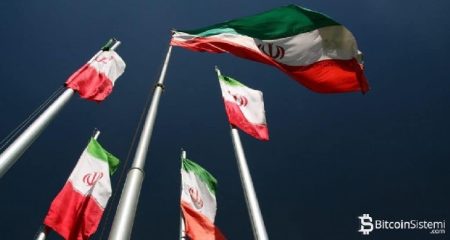
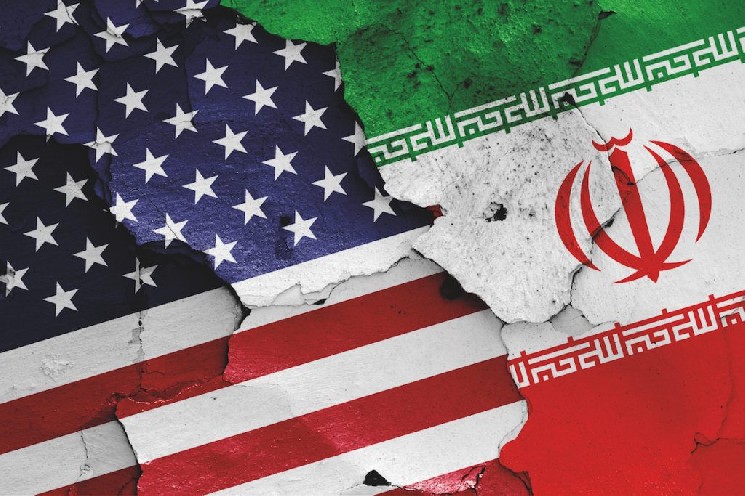
In a surprising turn of events that could reshape the Middle East’s volatile landscape, the United States and Iran engaged in face-to-face talks for the first time after years of indirect diplomacy. This marked a pivotal shift from shadowy backroom dealings through intermediaries to open discussions, signaling a potential thaw in one of the world’s most fraught rivalries. The meeting, held under the watchful eyes of Pakistani authorities, brought together a US delegation led by Vice President JD Vance and Iranian officials, with both sides separately reaching out to Pakistani Prime Minister Imran Khan beforehand. Observers in diplomatic circles describe this as a high-stakes gamble, given the entrenched hostilities stemming from sanctions, nuclear disputes, and proxy conflicts. For context, US-Iran relations have been strained since the 1979 Islamic Revolution, with flashpoints like the 2015 nuclear deal’s collapse under the Trump administration and Iran’s ballistic missile tests amplifying tensions. This direct engagement, however, hints at a window for dialogue amidst global uncertainties, including energy crises and regional proxy wars. As reporters from major outlets like Reuters and The Associated Press scrambled for details, the world watched closely, wondering if this could pave the way for broader stability or merely offer a fragile pause.
Delving into the specifics of these groundbreaking talks, held in Islamabad, the atmosphere was reportedly tense yet constructive. After months of indirect contacts facilitated by countries like Oman and Qatar, the shift to in-person negotiations represented a bold leap of faith. US and Iranian envoys, along with Pakistani mediators, discussed pressing issues that have long festered— from Iran’s nuclear ambitions to maritime disputes in the Gulf. Intelligence insiders suggest that the decision to meet on Pakistani soil was strategic, leveraging the country’s position as neutral ground amid its own delicate balancing act between Washington and Tehran. Anecdotes from participants paint a picture of a marathon session that began with formalities and plunged into substantive exchanges, though no immediate breakthroughs were announced. This move echoes historical precedents, like the 1978 Camp David Accords between Egypt and Israel, which transformed enmity into uneasy peace. For SEO purposes in tracking international diplomacy, keywords like “US-Iran talks” and “diplomatic negotiations” capture the essence of this development, highlighting how a single meeting could influence global energy markets and security alliances. Pakistani sources, speaking anonymously to maintain discretion, emphasized the role of Prime Minister Khan as a behind-the-scenes facilitator, underscoring his nation’s growing stature as a hub for Middle Eastern peacemaking.
Amid the buzz over the talks, US President Donald Trump weighed in with provocative remarks, casting a spotlight on the economically vital Strait of Hormuz. Trump declared that the process of “cleaning up” this narrow waterway— a chokepoint for nearly 30% of the world’s oil shipments—had commenced, though he offered scant details on implementation. Critics argue his rhetoric harkens back to his 2020 decision to assassinate Iranian General Qasem Soleimani, which escalated threats in the region. Yet, this statement injects intrigue into debates over maritime security, where Iranian attacks on tankers have historically disrupted trade. Experts in geopolitics, such as those from the Brookings Institution, point out that stabilizing the Strait could alleviate energy prices, benefiting economies from the US to Europe. However, Trump’s vague assurances leave room for skepticism; without concrete actions, this might remain lip service. Tying into broader themes, the potential acceptance of cryptocurrencies like Bitcoin for Iranian-ruled passages through the Strait, as speculated in related news articles, adds a modern twist to ancient trade routes. While Iranian officials have hinted at diversifying payment methods amid sanctions, skepticism reigns—after all, mainstream adoption of such tech in global commerce is still nascent. This layer complicates the narrative, blending high-stakes diplomacy with the wild frontier of digital finance, where terms like “crypto diplomacy” emerge as potential future buzzwords.
The diplomatic flurry isn’t confined to US-Iran interactions alone; the region pulsates with activity, revealing the intricate web of alliances and animosities. Scheduled meetings between Lebanese and Israeli diplomats in Washington, D.C., next week signal a separate channel for de-escalation, even as tensions simmer between Israel and Hezbollah along the Lebanon-Israel border. Despite a US-brokered ceasefire granting a momentary reprieve from cross-border skirmishes, sporadic clashes—fueled by drone strikes and rocket barrages—underscore the fragility of peace. Hezbollah’s leader, Hassan Nasrallah, has publicly mocked the talks, vowing to defend Iranian interests, which injects unpredictability into an already volatile mix. This parallel track of diplomacy highlights the Middle East’s chessboard dynamics, where no single negotiation stands in isolation. Intelligence reports claiming China’s intention to deliver advanced air defense systems to Iran further stoke unease, with potential to tilt the balance of power. Beijing’s embassy in Washington vehemently denies these allegations, framing them as baseless propaganda. Such developments evoke memories of the Cold War proxy battles, where superpowers armed factions without direct confrontation. For those following international relations, keywords like “Middle East tensions” and “regional diplomacy” encapsulate this multifaceted drama, illustrating how one region’s instability can ripple across continents.
As the Islamabad talks progressed into granular technicalities, optimism mingled with cautious realism. Iranian media outlets, including the state-affiliated Tasnim News Agency, reported that discussions had evolved to expert-level depth, addressing specifics like compliance mechanisms and verification protocols. Originally slated for a single day, the negotiations extended, with Pakistani facilitation ensuring a neutral arena. A first round reportedly lasted about two hours before a brief recess, suggesting the complexity of the agenda—from nuclear enrichment caps to sanctions relief. US officials noted an absence of explicit threats against their naval assets, a welcome contrast to past saber-rattling. This phase echoes the tedious groundwork of accords like the Paris Climate Agreement, where technical minutiae often determine success or failure. Diplomats on the ground described a blend of hard-nosed bargaining and subtle rapport-building, with interpreters playing pivotal roles in bridging linguistic and cultural divides. While concrete outcomes remain elusive, the extension speaks to a shared recognition of urgency, especially with global oil markets on edge. Related speculations about Iran accepting Bitcoin for Hormuz Strait tolls add a speculative element, intriguing crypto enthusiasts and economists alike, though experts warn against overhyping unverified reports.
In his measured reflections on the day’s events, President Trump avoided premature triumphalism, instead opting for guarded prudence. Confirming the talks’ official launch, he remarked on Iran’s intentions with a note of detachment: “We’ll find out soon enough.” This rhetoric acknowledges the track record of mistrust, including Iranian allegations of US bad faith in past deals. Trump also underscored readiness to pivot if negotiations soured, hinting at a fallback strategy that could include renewed sanctions or military posturing. Such statements reflect the Trump doctrine of “America First” nationalism, prioritizing pragmatic results over ideological purity. Analysts caution that success hinges on verifiable concessions, from both sides curbing provocative actions. The broader implications for US foreign policy are profound, potentially influencing alliances with NATO partners and rivals like Russia and China. As the dust settles on this diplomatic overture, the world holds its breath, cognizant that one misstep could reignite hostilities in the world’s most flammable region. In wrapping up, this saga reminds us that diplomacy, much like journalism, thrives on nuance and persistence—qualities essential in an era of rapid global change. (*This is not investment advice, and discussions of cryptocurrencies are for informational purposes only.)