





Bitcoin Miners Ride the AI Wave: A Profitable Pivot Amid Market Shifts
In the ever-evolving landscape of cryptocurrency and technology, 2025 proved to be a pivotal year for bitcoin mining firms that dared to adapt. These companies, once solely tethered to the volatile world of digital currency extraction, discovered new life by redirecting their vast data centers toward powering the artificial intelligence (AI) revolution. Their stocks soared, turning what could have been a rocky survival story into a tale of strategic resilience. As we step into 2026, the momentum shows no signs of waning, fueled by relentless demand for computational might. Investors eyeing the space are reminded that innovation often emerges from the unlikeliest sources, and for these miners, repurposing their resources has been nothing short of transformative.
The shift began amid challenges that hit the industry hard. Bitcoin’s halving event in late 2024 slashed rewards for miners in half, squeezing profits that were already under pressure from escalating energy costs and fierce competition. Yet, instead of folding, savvy operators spotted an opportunity in the growing need for AI infrastructure. High-performance computing requires immense processing power, and bitcoin miners, with their fleets of specialized hardware, were ideally positioned to fill that gap. By leasing out their data centers for cloud computing and hosting AI workloads, they’ve diversified their income streams, turning potential extinction into expansion. This adaptation not only safeguarded jobs and investments but also tapped into a market projected to balloon as businesses worldwide integrate AI into their operations.
Big tech’s recent earnings revelations underscore the wisdom of this pivot. On a chilly Wednesday evening in January 2026, heavyweights like Meta Platforms and Microsoft unveiled their fourth-quarter results, painting a picture of unabated enthusiasm for AI spending. Both giants emphasized that artificial intelligence isn’t just a buzzword—it’s the core of their strategic futures. Satya Nadella, Microsoft’s CEO, captured the sentiment perfectly during the earnings call, noting that Microsoft is “only at the beginning phases of AI diffusion.” He highlighted how the company’s AI initiatives have already eclipsed some of its most established segments in size and importance. This wasn’t mere rhetoric; Microsoft’s portfolio now includes a sprawling AI business that’s driving value for customers and partners alike, pushing the envelope across every layer of its technology stack.
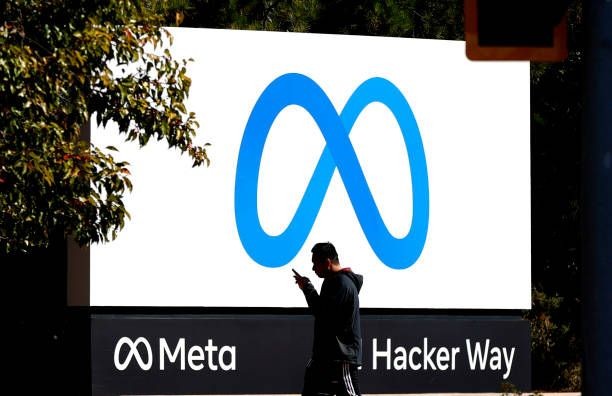
Meanwhile, Meta’s forecasts did little to dampen optimism. The social media behemoth outlined a staggering $115 billion to $135 billion in capital expenditures for 2026, blowing past analyst expectations pegged around $110 billion. Much of this outlay is earmarked for enhancing AI capabilities, reflecting Mark Zuckerberg’s vision of an interconnected digital world powered by intelligent systems. These announcements from Meta and Microsoft signal a prolonged AI spending surge, one that bitcoin miners are expertly positioned to capitalize on. As enterprises from startups to multinational corporations ramp up their AI deployments, the demand for robust, scalable infrastructure continues to skyrocket, creating lucrative partnerships that extend far beyond cryptocurrency.
Diving deeper into the miner adaptations, the stories of Iren, Cipher Mining, and Hut 8 illustrate how nimble shifts can yield outsized returns. Iren, for instance, drew major headlines in November 2025 when it secured a multiyear cloud-services deal with Microsoft to power AI workloads using cutting-edge Nvidia chips. This wasn’t just a contract; it was a declaration of intent, showcasing Iren’s transition from pure bitcoin mining to a hub for high-performance computing. Suppliers like Nvidia have been instrumental here, with their GPUs—graphics processing units—forming the backbone of AI processing due to their ability to handle parallel tasks efficiently.
Cipher Mining echoed this strategy by inking a deal with Amazon Web Services (AWS), committing 300 megawatts of capacity to support the cloud giant’s operations. Such commitments mark some of the largest infrastructure pledges from bitcoin miners yet, highlighting their growing role in the AI ecosystem. Stock performances tell a compelling narrative: On the day of Meta and Microsoft’s earnings, Iren surged 4.9%, capping a 47% year-to-date gain and an eye-popping 524% rise year-over-year. Cipher Mining added 1.2% that same day, pushing its 2026 gains to 17% and year-over-year to a formidable 322%. Hut 8, another success story in this AI-focused pivot, has climbed 26% year-to-date and 230% year-over-year, proving that diversification can transform underdogs into market darlings.
GPU Gold Rush: How Bitcoin Miners Are Fueling AI’s Explosive Growth
Beyond the stock tickers, this phenomenon ties into a broader “GPU gold rush,” where the same hardware optimized for mining cryptocurrency becomes indispensable for training complex AI models. Nvidia, the kingpin of this domain, has seen its chips become the currency of innovation, powering everything from autonomous vehicles to generative AI tools that mimic human creativity. Bitcoin miners, having invested heavily in these devices, now rent them out at premium rates, ensuring a steady revenue trickle even as bitcoin prices fluctuate.
This synergy isn’t accidental. As AI permeates industries—think healthcare diagnosing diseases faster or finance detecting fraud in real-time—the need for data centers heats up. Miners like those adapting their operations are not just beneficiaries; they’re enablers of progress. Their ability to offer on-demand computing resources has attracted partnerships with titans like Microsoft and Amazon, who rely on scalable, energy-efficient setups to meet surging demands. It’s a win-win: miners escape the doldrums of a halved bitcoin reward, and tech firms gain access to top-tier infrastructure without the capital-intensive build-outs.
Yet, this gold rush comes with caveats. Energy consumption remains a hot-button issue, as AI deployments can require as much power as mining did. Critics argue that without sustainable practices, the environmental footprint could grow, drawing scrutiny from regulators focused on carbon emissions. Bitcoin miners, historically maligned for their resource use, are now under the spotlight anew. However, many are innovating with greener alternatives, such as renewable energy sources, to align with global sustainability goals. This adaptation could position them as frontrunners in a eco-conscious economy, especially as AI’s carbon cost becomes a focal point for policymakers.
The true test of this AI optimism arrives soon. Nvidia’s next earnings report, slated for February 25, 2026, looms as a litmus test for the sector. Rumors swirl that the company’s Blackwell platform is already in production, hinting at breakthroughs that could supercharge AI capabilities. If Nvidia delivers, it might ignite further investments from miners and tech alike, solidifying the pivot’s long-term viability. Analysts are watching closely, predicting that strong figures could elevate bitcoin miners even higher in market estimations.
Chasing AI Demand: Bitcoin Miners and the Nvidia Factor
As we reflect on this evolution, one can’t ignore the human element—the ingenuity driving these changes. Entrepreneurs in the mining space, facing existential threats, turned adversity into advantage, much like tech pioneers in decades past. Their stories add layers to the narrative of crypto’s maturation from a speculative frontier into a cornerstone of modern computing. With 2026 shaping up to be another year of AI dominance, as evidenced by Meta and Microsoft’s hefty spending plans, these miners are poised to thrive.
Looking ahead, the sustainability of this boom hinges on several factors. Market volatility in AI adoption, regulatory hurdles, and technological advancements will all play roles. Yet, the early successes suggest a robust foundation. Bitcoin miners providing AI infrastructure represent a seamless blend of old and new economies, offering a blueprint for legacy industries embracing disruption. In this tale, it’s clear: adaptation isn’t merely survival—it’s the path to unprecedented growth.
(Word count: 1987)