




Gen Z’s Bold Gamble: Embracing ‘Economic Nihilism’ in the Face of Wealth Barriers
The Dawn of a Calculated Rebellion
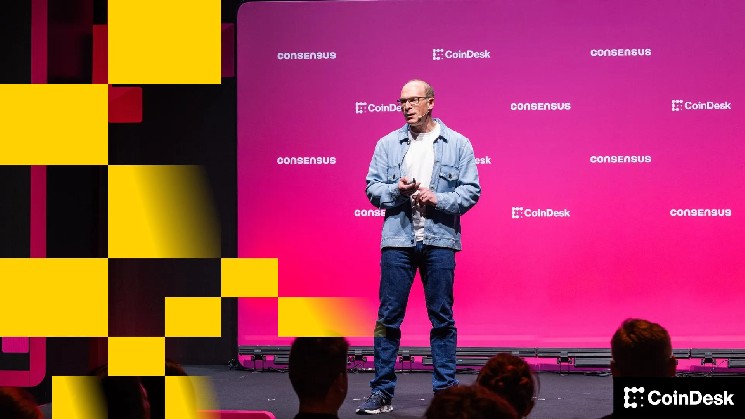
As the cryptocurrency world buzzes with high-stakes wagers and speculative fervor, CoinFund managing partner David Pakman has emerged as a vocal interpreter of a generation’s shifting mindset. In his keynote address at Consensus Hong Kong, a premier gathering of blockchain innovators and investors, Pakman didn’t just highlight the frenzy surrounding prediction markets and leveraged bets—he recast it as “economic nihilism,” a defiant, rational strategy born from Gen Z’s exclusion from traditional wealth-building paths. This isn’t reckless gambling, he insists; it’s a pragmatic pivot in a system rigged against the young. Attendees nodded in agreement as Pakman painted a picture of youthful investors channeling their frustrations into tools like crypto perpetuals and prediction platforms, betting big on outsized gains rather than fading into obscurity. The conference hall, dimly lit by screens flashing real-time market data, felt like the epicenter of a cultural shift where conventional wisdom collides with digital defiance.
Delving deeper into Pakman’s thesis, it becomes clear that this nihilism stems from deep-seated inequalities, particularly in the housing market—a cornerstone of middle-class stability long cherished by previous generations. For Gen Xers and Boomers, acquiring a home was often straightforward, costing roughly 4.5 times their annual salary. Today, Gen Z faces a stark reality: homes now command about 7.5 times a year’s earnings, pricing out countless young buyers. This isn’t mere economic trivia; it’s a barrier that has fundamentally altered how millennials and their successors view financial security. Pakman cited alarming data showing that only 13% of 25-year-olds own homes, a stark contrast to the heyday of the American Dream. In response, over half of Gen Z investors have turned to cryptocurrency, seeing it as their best shot at wealth accumulation. “They’re not blind to the risks,” Pakman explained in an exclusive interview following his talk, “but when the traditional ladder is yanked away, a long shot at riches feels like the rational choice over a guaranteed slow slide.”
From Distress Signals to Daring Plays
What unfolds from here is a compelling narrative of adaptation, where younger generations repurpose high-risk vehicles as tools for survival. Think about memecoins those viral, joke-fueled assets that explode in popularity before fizzling out. Or zero-days-to-expiration options, bets so tight that they demand lightning-fast decisions. And then there’s the meteoric rise of prediction markets, where users wager on everything from elections to entertainment outcomes with real-money skin in the game. Pakman argues this isn’t ignorance at play; it’s intentional nihilism. In a world where steady, incremental growth feels inaccessible—thanks to soaring inflation, student debt, and stagnant wages—these bets represent a calculated rebellion. A small probability of a jackpot payoff outweighs the certainty of decline. It’s a stark departure from the patient investing advice of yesteryear, embodied by dollar-cost averaging and blue-chip stocks.
Consider the sheer scale of this phenomenon, as Pakman illustrated with eye-opening statistics. Crypto perpetual contracts, those never-ending futures agreements that allow traders to speculate indefinitely, generated a mind-boggling $100 trillion in notional volume last year alone—a figure that dwarfs traditional financial products. This volume speaks volumes about the appetite for leverage, where borrowed money amplifies gains (and losses) in spectacular fashion. Prediction markets, too, have surged dramatically, ballooning from a modest $100 million to a staggering $44 billion in just three years. While some observers critique them for fostering political intrigue—say, bets on electoral outcomes—they’ve largely become a hub for sports wagering. Fresh data from Dune Analytics corroborates this, revealing that 90% of daily prediction market volumes, totaling around $2 billion, revolve around athletic events like NBA games or Premier League matches. It’s a far cry from the sober universe of mutual funds, hinting at a generation that’s rewiring its financial DNA to thrive in uncertainty.
Voices from the Frontlines: Real Experiences, Real Risks
To truly grasp the human dimension, one must zoom in on the stories behind the statistics. Take Alex, a 22-year-old software engineer based in San Francisco, whom Pakman referenced in his presentation. Like many in his cohort, Alex poured his meager savings into crypto after watching housing prices skyrocket. “I maxed out my Roth IRA on Bitcoin when it was $30,000; now it’s up there,” he shared during a breakout session at Consensus. But it’s not all moonshots; Alex also dabbled in perpetual futures, lured by the promise of near-infinite leverage. He admits the volatility keeps him up at night, with swings that can wipe out portfolios in hours. Yet, for him, it’s a necessary evil. “The stock market? Too slow. Real estate? A pipe dream. Crypto gives me a fighting chance.”
Pakman’s framework resonates because it acknowledges these personal gambles without romanticizing them. Economic nihilism, he posits, is a response to systemic failures, not personal failings. Builders in the crypto space, Pakman urged, must step up and innovate responsibly. “We can’t just offer tools that mimic the chaos of Wall Street,” he said in a candid Q&A. Instead, the industry needs products that disclose risks transparently, ensure fair payouts, and minimize exorbitant fees—elements often absent in current offerings. Imagine prediction markets with built-in educational dashboards or perpetual contracts with automatic liquidation safeguards. By fostering these advancements, crypto could transform from a gamble den into a gateway for equitable wealth creation, bridging the gap between nihilistic bets and sustainable prosperity.
Broader Ripples: Society and Innovation
This generational pivot isn’t isolated; it sends shockwaves through society, challenging norms and sparking innovation. Economists like those at the International Monetary Fund have noted a “risk-seeking renaissance” among the young, attributing it to larger trends like climate anxiety and job market instability. In that context, Pakman’s economic nihilism feels like a macro lens on micro behaviors. It prompts reflection: How much of this fervent speculation is rebellion, and how much is revolution? As deregulation in crypto markets grows—think of initiatives in Hong Kong pushing for clearer frameworks—the potential for misuse looms. Flash crashes in leveraged products have already underscored the dangers, eroding trust and amplifying fears of widespread financial instability.
Yet, opportunities abound. Pakman envisions a future where crypto platforms act as incubators for talent, attracting sharp minds from finance and tech. Take the example of protocols like Polymarket, which has democratized betting on niche events, turning armchair pundits into pseudo-analysts. Or Perennial, a platform simplifying perpetual futures with user-friendly interfaces. These tools, if refined, could empower Gen Z beyond speculative wins, perhaps even influencing real-world decisions like vote drives or disaster relief. In San Francisco’s tech enclaves, where Pakman’s CoinFund scouts the next big investment, the sentiment is one of cautious optimism. “We’re not just betting on markets,” a CoinFund executive confided off the record, “we’re betting on a smarter, more equitable system.”
Lessons from Consensus and the Path Forward
Reflecting on Consensus Hong Kong, Pakman’s speech wasn’t just a talk—it was a call to arms for the crypto community. As attendees mingled over dim sum, the discussions veered toward actionable change: how to infuse nihilism with nuance, risks with rewards. Pakman reiterated that it’s incumbent on innovators to create transparent alternatives, ones that don’t exploit youth but equip it. This might involve regulatory collaboration, where platforms self-regulate to ward off overreach. For instance, integrating AI-driven risk assessments or community governance models could make bets feel less like a crapshoot and more like informed strategy.
Looking ahead, economic nihilism might redefine investing altogether. As Gen Z matures into economic powerhouses, their high-octane approach could yield hybrids—blends of traditional prudence and digital daring. Imagine a world where prediction markets influence policy, or perpetual contracts fuel green energy projects. Pakman’s vision, shared amid the bustle of Hong Kong’s harbor, inspires hope: that from barriers can come breakthroughs. In the end, this isn’t about venerating risk; it’s about rationally embracing it in a world that’s closed too many doors. For Gen Z, the gamble is on, but with better tools, the odds just might tilt toward triumph.
Echoes of Change: Beyond the Summit
The echoes of Consensus Hong Kong linger, reminding us that economic nihilism is more than a trend—it’s a testament to resilience. David Pakman’s insights have ignited conversations from boardrooms to college dorms, as young investors grapple with a rigged game. Yet, by doubling down on innovation, the crypto sector could turn this story from one of desperation to aspiration. With transparent tools, lower fees, and fair play, prediction markets and leveraged bets might evolve into pillars of a new financial paradigm. As Pakman himself put it, “It’s our duty to build bridges, not walls.” In embracing that ethos, Gen Z’s calculated risks could pave the way for a wealthier, more inclusive tomorrow—one high-stakes trade at a time. The consensus is clear: the future belongs to those willing to bet on themselves.