





Fed Valve-Turner Christopher Waller Signals Prudent Pause on Rates
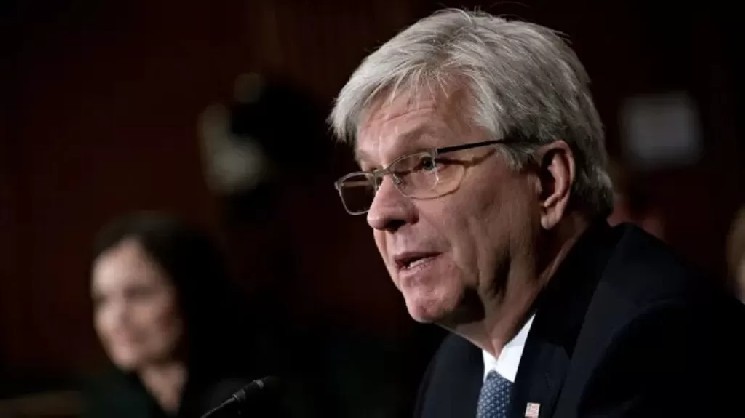
In the ever-shifting arena of global finance, where decisions ripple through economies like seismic waves, Federal Reserve Board member Christopher Waller recently stepped into the spotlight with comments that underscored the delicate balancing act central bankers perform. As one of the Fed’s key voices, Waller’s insights on interest rate policy offer a window into the institution’s cautious approach amid turbulent times. Speaking candidly about recent economic data and geopolitical upheavals, Waller highlighted how unexpected twists can swiftly pivot even the most prepared minds. His remarks, delivered in an exclusive interview with CNBC, paint a picture of a policymaker grappling with diverging signals from the labor market and international flashpoints. In essence, Waller’s narrative is one of adaptation, where initial inclinations toward rate reductions yielded to a more guarded stance due to inflation risks and global instability.
Financial analysts and economists have long cited Waller as a pragmatic figure within the Federal Reserve’s diverse membership. His latest utterances build on this reputation, revealing an intriguing internal dynamic. Initially, after the release of February’s employment figures showing a shocking 92,000 job losses, Waller admitted he was poised to dissent from the Fed’s steady hands-off approach to interest rates. He had contemplated advocating for rate cuts, a move that would loosen monetary policy and potentially stimulate economic activity. “When I saw that data, I thought I would vote against keeping rates unchanged,” Waller recounted, his words echoing with the raw immediacy of someone recalibrating in real time. This wasn’t merely theoretical musings; it reflected genuine consideration in the aftermath of what appeared to be softening labor conditions. Job losses on that scale don’t come lightly, often signaling broader economic discomfort, and Waller acknowledged the temptation to act swiftly to cushion the blow.
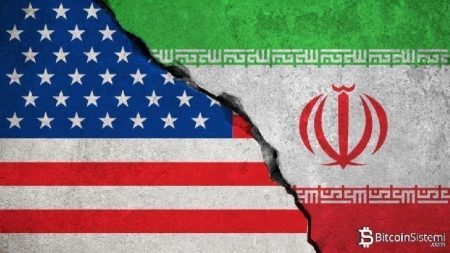
Yet, as Waller elaborated, global developments soon reframed the narrative, transforming tentative support for cuts into staunch advocacy for caution. The Middle East, in particular, emerged as a pivotal player in Waller’s evolving outlook. Escalating tensions, fueled by Iran-related conflicts, culminated in the partial closure of the vital Strait of Hormuz—a chokepoint through which a significant portion of the world’s oil supply passes. This geopolitical turbulence has sent energy prices soaring, directly amplifying inflationary pressures. Waller pointed to these dynamics as a critical inflection point, noting that persistent high oil costs could stretch far longer than anticipated. In his view, such variables demanded a recalibration of the Fed’s monetary strategy, prioritizing inflation control over immediate stimulus. “Global developments quickly changed the picture,” he stated, underscoring the interconnectedness of domestic policy and international affairs. This shift illustrates Waller’s keen awareness of how external shocks can override localized data, turning potential rate cuts into a relic of a different economic calculus.
Delving deeper into Waller’s current stance, it’s clear he envisions the Fed’s existing policy framework as sufficiently restrictive to curb inflationary trends without necessitating further hikes. In his assessment, the central bank’s tools are already finely tuned to navigate the delicate equilibrium between growth and stability. “Current monetary policy is already at a restrictive level,” Waller affirmed, ruling out any additional increases in interest rates at this juncture. This declaration comes at a time when inflation remains a persistent specter haunting global markets, with consumer prices fluctuating amidst supply chain snarls and currency volatilities. Waller’s reluctance to tighten further reflects a broader consensus among policymakers that overzealous adjustments could stifle recovery efforts. By emphasizing this cautious tightrope walk, he positions the Fed as a stabilizing force, vigilant against the perils of both overheating and undue austerity.
Looking ahead, Waller hinted at flexibility without committing to hasty action. He conceded that if inflation begins to cool and the labor market shows signs of renewed weakness, space might open for interest rate reductions—potentially as early as later in 2026. This projection isn’t a firm promise but rather a conditional roadmap, contingent on the economy’s trajectory. “If inflation starts to decline again and the labor market weakens, interest rate cuts could be considered,” he outlined, blending optimism with realism. In today’s context, where inflation hovers near multi-decade highs and employment faces idiosyncratic pressures, such forward-looking statements provide reassurance that the Fed isn’t rigidly locked into its current path. It also signals Waller’s allegiance to data-driven decisions over ideological rigidity, a hallmark of effective policymaking in uncertain eras.
Broader economic implications loom large in Waller’s dialogue, resonating with investors and policymakers worldwide. His remarks serve as a poignant reminder of the Fed’s multifaceted role in steering the U.S. economy through global headwinds. The Middle East’s unrest, with its ripple effects on oil prices, illustrates how regional conflicts can reverberate across continents, influencing everything from retail gas costs to corporate profit margins. For the average consumer, this translates into higher living expenses, while businesses grapple with escalated operational costs. Waller’s emphasis on prudence suggests the Fed will likely err on the side of vigilance, prioritizing long-term stability over short-term gains. Analysts predict this could mean a protracted period of elevated rates, impacting mortgages, auto loans, and stock valuations. However, the potential for future cuts offers a glimmer of hope for borrowers longing for relief. In the grand tapestry of economic storytelling, Waller’s narrative isn’t just about numbers—it’s a testament to the human elements of policy, where intuition meets evidence, and global forces shape local destinies. As always, while these insights provide invaluable context, they are not definitive predictors of market movements.
*This is not investment advice. Investors should consult qualified financial professionals for personalized guidance.