





El Salvador’s Bitcoin Reserves Surpass 7,500 BTC, Worth Over $670 Million
El Salvador Continues Pioneering Bitcoin Strategy Despite Market Volatility
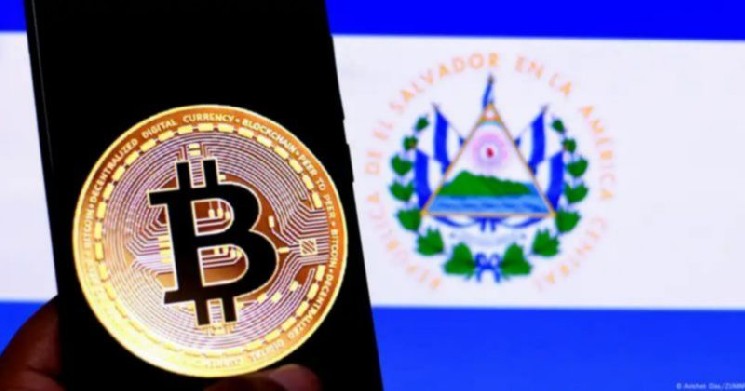
In a bold continuation of its cryptocurrency strategy, El Salvador has expanded its Bitcoin holdings to more than 7,500 coins, now valued at over $670 million, according to recent data from the country’s National Bitcoin Office. This milestone represents one of the most significant sovereign investments in cryptocurrency worldwide and reinforces the Central American nation’s commitment to its controversial Bitcoin adoption plan first launched in 2021.
The country’s steadfast approach to digital asset acquisition has remained consistent despite Bitcoin’s notorious price volatility. El Salvador maintains its disciplined policy of adding exactly one Bitcoin to its national reserves each day, regardless of market conditions or price fluctuations—a dollar-cost averaging strategy that financial analysts have noted might protect the country from some of the market’s extreme swings. This methodical accumulation comes at a time when Bitcoin has experienced considerable price volatility, currently trading around $89,300, representing a 2% decline over the past week according to data from cryptocurrency tracking platform CoinGecko.
Questions Surrounding El Salvador’s Acquisition Strategy
The expansion of El Salvador’s Bitcoin reserves has raised significant questions within international financial circles, particularly regarding how the country manages to increase its holdings without making new direct purchases. This curiosity has intensified following the country’s recent agreement with the International Monetary Fund (IMF), which typically imposes strict conditions on fiscal management. The IMF itself confirmed in a recent report that El Salvador has not made additional Bitcoin purchases through traditional channels, leaving observers to speculate about alternative acquisition methods the government might be employing.
Financial experts have proposed several theories about how President Nayib Bukele’s administration might be accumulating Bitcoin without traditional market purchases. Some analysts suggest the country may be receiving Bitcoin through mining operations, collecting transaction fees from its national Bitcoin wallet (Chivo), or potentially receiving cryptocurrency donations or investments from international supporters of its Bitcoin initiative. The lack of transparency surrounding these acquisition methods has concerned some international monetary authorities, who continue to express reservations about El Salvador’s cryptocurrency experiment.
Beyond Reserves: El Salvador’s Comprehensive Bitcoin Integration Strategy
El Salvador’s Bitcoin strategy extends well beyond merely holding the digital asset as a reserve. The Bukele administration has launched an ambitious program to integrate Bitcoin and blockchain technology throughout the country’s education and financial systems. In educational institutions across the nation, Bitcoin literacy programs have been implemented to ensure the next generation of Salvadorans understands cryptocurrency fundamentals. Meanwhile, the country’s financial sector has undergone significant reforms to accommodate Bitcoin transactions, with traditional banks being required to develop cryptocurrency capabilities.
The government maintains that its comprehensive Bitcoin strategy serves multiple national objectives: promoting financial inclusion for the roughly 70% of Salvadorans who previously lacked access to traditional banking services, attracting foreign investment from the global cryptocurrency sector, reducing the costs of remittances (which constitute approximately 20% of the country’s GDP), and advancing technological development throughout the nation. Critics argue these goals could be achieved through less volatile means, while supporters point to emerging evidence of increased financial accessibility among previously unbanked populations.
Economic Impact and International Relations
The economic impact of El Salvador’s Bitcoin experiment has been mixed, creating both opportunities and challenges for the developing nation. Tourism has reportedly increased by over 30% since the Bitcoin adoption, with so-called “crypto tourists” visiting the country to experience its Bitcoin economy firsthand. Several cryptocurrency companies have established operations in El Salvador, bringing some employment opportunities, particularly in the country’s “Bitcoin Beach” area and the planned “Bitcoin City,” a tax-advantaged zone designed to attract crypto entrepreneurs.
However, the country’s Bitcoin holdings have subjected its treasury to significant volatility, at times showing substantial paper gains and at other moments considerable unrealized losses. This volatility has complicated El Salvador’s relationship with international financial institutions, particularly the IMF, which has repeatedly expressed concerns about the fiscal risks associated with Bitcoin adoption. Despite these tensions, El Salvador has managed to maintain diplomatic relations with most international partners while pursuing its unorthodox economic policy, though negotiations for additional IMF funding have proven challenging due in part to concerns over the country’s cryptocurrency strategy.
Future Prospects and Global Implications
As El Salvador’s Bitcoin reserves continue to grow, the country has effectively positioned itself as the world’s first real-world laboratory for nationwide cryptocurrency adoption. The success or failure of this experiment will likely have far-reaching implications for other nations considering similar policies. Several developing countries with large unbanked populations and significant remittance inflows are closely monitoring El Salvador’s experience, with officials from nations including Panama, Paraguay, and various African countries having expressed interest in aspects of the Salvadoran model.
The long-term sustainability of El Salvador’s Bitcoin strategy remains uncertain and will depend on multiple factors: the future price trajectory of Bitcoin, the government’s ability to develop practical everyday uses for cryptocurrency among ordinary citizens, the response of international financial institutions, and the Bukele administration’s capacity to address persistent concerns about transaction security, environmental impacts of mining, and volatility risks to public finances. What is certain, however, is that El Salvador’s bold experiment has already altered the global conversation about cryptocurrency’s potential role in national economic strategies. As the country’s Bitcoin holdings surpass 7,500 coins, both supporters and skeptics will be watching closely to see whether this small Central American nation’s big cryptocurrency bet ultimately pays off.