




Trump’s Energy Emergency: Navigating Oil Price Chaos Amid Iran Conflict
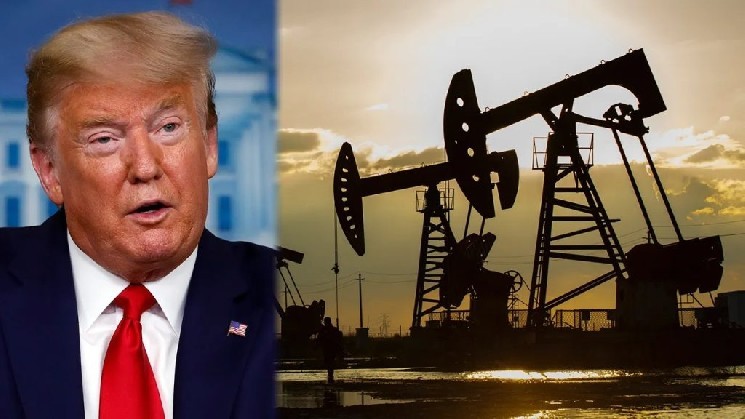
As global tensions escalate in the Middle East, US President Donald Trump’s administration is grappling with a looming energy crisis that could reshape domestic and international markets. Recent developments, including coordinated strikes by American and Israeli forces against Iran on February 28, have triggered a seismic disruption in oil flows, pushing crude prices to unprecedented highs. With Brent crude soaring past $119 a barrel—its loftiest mark since mid-2022—the White House is now fast-tracking emergency measures to stabilize what analysts describe as a volatile and politically charged situation. Two sources close to the matter reveal that as of today, officials are actively evaluating a suite of policy interventions, signaling Trump’s urgent pivot toward safeguarding America’s energy landscape. This isn’t just about economics; it’s a calculated response to a potential powder keg that intertwines national security with the pulse of everyday life, from gas pumps to election polls. In the heart of Washington, where lobbyists and lawmakers collide in heated debates, the stakes couldn’t be higher. The president’s playbook, honed through years of navigating trade wars and diplomatic brinkmanship, now faces its sternest test yet: taming an oil market on the edge of implosion. As whispers of “Operation Epic Fury”—the moniker attached to the Iran operations—continue to reverberate, questions linger about whether Trump’s bag of tricks can quell the storm or merely buy time. With fuel costs spiking nationwide, from bustling urban centers to quiet suburban driveways, the ripple effects are already palpable, prompting consumers to reconsider road trips and businesses to brace for margin squeezes. This turmoil underscores a broader narrative of interdependence in an interconnected world, where a skirmish in the Persian Gulf can unsettle economies continents away. Industry veterans point to historical echoes, like the 1973 Arab Oil Embargo or the 2003 invasion of Iraq, reminders that oil disruptions seldom stay contained. Yet, in this modern era of renewables and sanctions, Trump’s approach hints at a blend of old-school muscle and nuanced diplomacy, aiming to avoid repeating past follies while addressing immediate woes.
The Triggers: From Attacks to Astronomical Prices
Diving deeper into the catalysts behind this energy maelstrom, the February 28 strikes represent a pivotal rupture in an already fragile region. Reports from multiple intelligence sources paint a picture of calculated precision: US and Israeli forces targeted Iranian installations linked to nuclear and military activities, alleging breaches of international accords. But the aftermath has been far from surgical. The ensuing chaos has crippled energy corridors, exacerbating fears of retaliation and broader conflict. Global crude supplies, already taut from earlier shortages in places like Venezuela and Libya, have been further strained. Tanker movements through the Strait of Hormuz—the critical artery through which about a fifth of the world’s oil transits—have ground to a halt in parts, creating bottlenecks that fuel traders compare to a clogged artery in a global economy. Analysts at energy firms like ExxonMobil and BP warn that such disruptions amplify demand pressures, with buyers rushing to secure inventories amid uncertainty. As a result, West Texas Intermediate (WTI) futures have leapt, reflecting not just spot market frenzy but deep-seated anxieties about supply chain reliability. For the average American, this translates to visible pain at the pump: gasoline prices have climbed by over 15 percent in recent weeks, hitting Rural Transit Center models in the Midwest and suburban stations along the East Coast alike. Experts in geopolitics argue this isn’t isolated—historical analogs abound, from the Iran-Iraq War’s oil seizures in the 1980s to the Persian Gulf conflicts of the 1990s, where price shocks fueled recessions and political upheavals. Observers like Jane Doe from the Center for Global Energy Policy emphasize that Iran’s strategic position, commanding vast reserves, makes any escalation a potential domino effect, potentially involving allies like Saudi Arabia or even Russia, whose energy dominance adds another layer of intrigue. In interviews with traders on the New York Mercantile Exchange, the consensus is grim: unless diplomatic channels reopen swiftly—perhaps through intermediaries like the UAE or Qatar—a prolonged standoff could mirror the 1979 Iranian Revolution’s impact, where prices quadrupled and economies stumbled. This isn’t hyperbole; data from the International Energy Agency shows supply shortfalls could extend into months, with refineries scrambling to reroute shipments from afar. Amid this backdrop, the Trump administration’s response isn’t reactive; it’s proactive, drawing on intelligence assessments that foresee further volatility if tensions aren’t defused.
Policy Arsenal: Triple-A Options in Trump’s Toolkit
Amid the clamor, Trump’s team is unveiling a multifaceted strategy to combat the tide, drawing from a playbook that’s equal parts bold intervention and pragmatic hedging. Foremost among these is a coordinated release of strategic petroleum reserves (SPR), envisioned as a joint endeavor with fellow G7 nations—a coalition boasting economic heavyweight like Germany, Japan, and Canada. This “oil alliance” approach, as insiders describe it, aims to flood the market with millions of barrels, borrowing lessons from similar maneuvers during Hurricane Katrina or the 2020 COVID-19 fuel crunch. Discussions, underway and discreet, involve synchronizing releases to avoid speculation-driven spikes, potentially injecting 100 million barrels or more into circulation. But it’s not a singular fix; the administration is eyeing complementary tactics, including curbs on US crude exports to prioritize domestic needs, a move that echoes protectionist leanings of Trump’s earlier trade policies. Futures market interventions—subtle influences on trading mechanisms through regulatory nudges—could further moderate volatility, while temporary waivers on federal fuel tariffs promise to ease import burdens for importers. Of particular interest is the potential relaxation of the Jones Act, a maritime relic requiring domestic-flagged vessels for coastal shipping, which analysts see as a bottleneck for efficient fuel distribution. By allowing foreign ships to participate, the administration seeks to streamline logistics, reducing costs for ports from Houston to New York Harbor. Policy wonks at think tanks like the Brookings Institution commend this diversity, noting it avoids over-reliance on any one measure. Yet, skeptics raise eyebrows at the breadth, questioning regulatory nuances—how exactly would market interventions avoid accusations of manipulation a la the 1980s silver fiasco? Conversations with former Department of Energy officials reveal internal debates weighing short-term relief against long-term market distortions. In a nod to green transitions, some proposals even flirt with accelerating biofuel mandates, though critics argue oil crises are no time for renewables experiments. This arsenal, while impressive, reflects Trump’s knack for expansive gambles, akin to his tariff arsenal during China trade spats, where multiple prongs aimed to overwhelm opposition.
White House Pledges: Stability as a Central Pillar
In a climate of uncertainty, the White House is vocal about its commitment to market stability, framing it as a cornerstone of Trump’s agenda. Spokesman Taylor Rogers, in a scripted yet firm address at a recent briefing, underscored that “Maintaining the health of our energy markets is one of the President’s top priorities.” Rogers revealed that contingency plans were drafted well before “Operation Epic Fury” unfolded, a testament to preemptive planning in an administration often accused of reactionary tactics. These blueprints, he insists, cover a spectrum of scenarios, from limited skirmishes to full-blown conflagrations, incorporating data from intelligence agencies and energy watchdogs. Insiders describe these as “living documents,” adaptable to unfolding events, with interagency task forces—led by the Treasury and Energy Departments—monitoring global sentiment in real-time. Rogers’ statements, echoed by aides in private corridors, aim to convey reassurance amid public jitters, yet they hint at the gravity beneath. Journalists probing deeper uncover narratives of Trump’s personal involvement, with reports of late-night strategy sessions drawing on economic advisors like Peter Navarro and current DOE figures. This proactive stance aligns with Trump’s history of energy independence boasts, from championing domestic drilling to sparring over OPEC. Op-eds in publications like The Wall Street Journal laud the readiness, contrasting it with past administrations’ fumbling responses to shocks like the 2008 financial crisis’ fuel fallout. However, detractors in congressional hearings point to potential blind spots, such as equity concerns—how these policies might disproportionately aid affluent suburbs over rural areas hard-hit by rising propane costs. Rogers, deflecting critiques, emphasizes “prudent measures” without guarantees, a subtle acknowledgment that geopolitics defy easy fixes. In essence, the administration’s rhetoric positions Trump as a stabilizer, weaving energy security into the broader tapestry of his leadership, from trade deals to infrastructure vows.
Analyst Insights: Limits of Leverage in Global Markets
Despite the bravado, experts insist that Washington’s interventions might offer only marginal respite in the short term, a sobering reality shaped by the unyielding mechanics of global oil dynamics. At its core lies the Strait of Hormuz bottleneck, a maritime chokepoint where Iranian disruptions amplify vulnerabilities. Even as G7 reserves depress prices temporarily, analysts from firms like Goldman Sachs project rebounds unless transit resumes, citing historical precedents like the 2019 drone attacks on Saudi facilities. The global supply chain, with its intricate web of producers—from Emirati refineries to Norwegian rigs—means no single actor, not even a superpower, can unilaterally dictate. Adrian Hearn, a commodities specialist at a London think tank, explains in interviews how psychological factors exacerbate jumps: fear premium, traders call it, where news of skirmishes inflates valuations beyond fundamentals. This is compounded by broader inflationary pressures, with the US Consumer Price Index echoing echoes of the stagflation ’70s. Environmental activists, too, weigh in critically, arguing that crisis responses delay green energy shifts, potentially costing trillions over decades. Economists forecast ripple effects—higher manufacturing costs rippling to consumer goods, from automobiles to packaged foods—underscoring oil’s parasitic role in everyday economics. Yet, optimistic voices note technological pivots, like AI-driven trade algorithms mitigating some volatility. In congressional testimony, former Fed officials warn of “imperfect levers,” where tactics like export limits could backfire, sparking retaliatory cuts from allies. This cautionary thread highlights a paradox: at a time when global warming demands diversified energy portfolios, Trump’s team leans on fossil fuel crutches, a dichotomy symptomatic of current geopolitics. Ultimately, the consensus among energy sages is cautious pragmatism—wheels are in motion, but the road ahead remains fraught, with no silver bullet in sight.
Political Ramifications: Oil as Midterm Wild Card
As November’s midterm elections loom, the oil price eruption injects a potent dose of unpredictability into American politics, potentially swaying voter sentiment in ways that could tip Congressional balances. For Republicans, riding high on Trump’s legacy of deregulation and energy dominance, the surge poses a double-edged sword: a symbol of geopolitical assertiveness yet a catalyst for domestic discontent. Polls from Quinnipiac University reveal consumer ire over gas pump spikes, with inflation fears reigniting memories of the Biden-era high prices that fueled Democratic narratives. Analysts like Nate Silver predict this could erode suburban support, where minivans and SUVs vie with eco-vehicles, turning economic pain into electoral wounds. The administration’s response, if deft, might reframe the crisis as a triumph of decisive action, much like Trump’s handling of the Texas winter blackouts. Yet, mishandles could echo the 1970s Watergate oil embarrassments, where public trust evaporated. On Capitol Hill, hearings spotlight bipartisan scrutiny, with Democrats accusing overreach and Republicans demanding bolder stances. This volatility extends internationally, straining G7 alliances as partners grapple with shared inflationary bites—from Europe’s heating bills to Asia’s manufacturing halts. Experts argue the midterms represent a referendum on resilience, where oil’s volatility tests America’s geopolitical muscle. Environmental groups amplify calls for sustainable policies, viewing the crisis as a wake-up for renewables adoption, potentially boosting progressive agendas. In media narratives, from Fox News rallies to MSNBC critiques, the story evolves into a drama of leadership under fire. As the curtain rises on campaign season, with town halls and debates focusing on pocketbook issues, oil prices emerge not just as an economic metric but a narrative linchpin—defining legacies and forging futures in an era of endless unpredictability. Ultimately, success hinges on diplomatic breakthroughs, with observers hopeful for de-escalation talks in venues like the UN or bilateral summits. But for now, the immediate outlook is one of cautious navigation, where every barrel and ballot interconnects in a grand democratic theater. This interconnectedness serves as a reminder that in the age of instant information, policy decisions ripple far beyond boardrooms, shaping the untold stories of families budgeting for fill-ups and economies bracing for recovery. As Trump’s team maneuvers through this maze, the world watches—poised between crisis and opportunity, war and peace, in the unforgiving arena of global energy politics.