


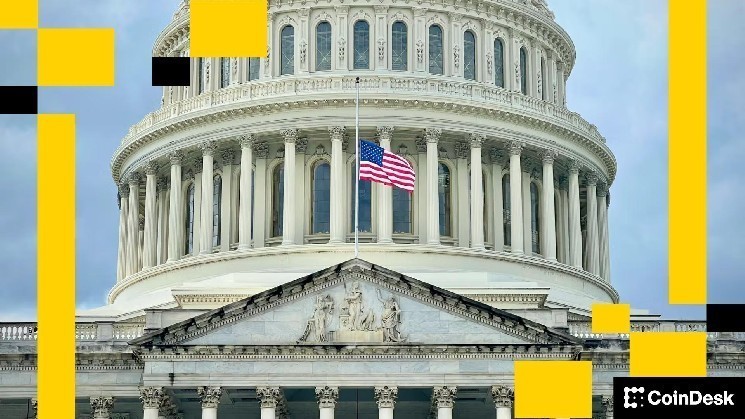
Senate Banking Committee Nears Historic Vote on Cryptocurrency Regulation Bill
Bipartisan Legislation Approaches Critical Juncture as Industry Mobilizes Support
In a significant development for the digital asset industry, the U.S. Senate Banking Committee is on the verge of a breakthrough agreement on comprehensive cryptocurrency market legislation. Committee Chairman Tim Scott has announced plans for a markup vote on January 15th, signaling a potential end to months of intensive negotiations over a framework that would establish regulated cryptocurrency markets in the United States. This legislative effort represents what many industry observers view as the most consequential cryptocurrency regulation attempt in American history, coming at a time when digital assets increasingly intersect with traditional finance and public policy concerns.
“I think it’s important for us to get on the record and vote,” Chairman Scott stated in a recent interview with Breitbart, emphasizing the committee’s extensive preparation. “We have worked tirelessly for the last six-plus months making sure that we had multiple drafts available to every member of the committee.” The upcoming vote marks a pivotal moment in the committee’s deliberations, potentially transforming what has been merely proposed legislation into a bill actively progressing through the approval process. Republican committee members have expressed confidence in reaching a consensus, though their Democratic counterparts have been more reserved regarding the accelerated timeline announced by Chairman Scott.
A document that emerged from Tuesday’s committee meeting, first reported by Politico, reveals both ongoing challenges and significant progress. While several fundamental disagreements persist between the parties, the draft incorporates numerous Democratic priorities. These include enhanced illicit-finance provisions reflecting Treasury Department input and several elements borrowed from the House of Representatives’ Digital Asset Market Clarity Act, which passed with bipartisan support last year. However, several contentious issues remain unresolved, including ethics standards related to President Trump’s personal cryptocurrency connections, regulatory treatment of yield products, money transmitter oversight, Treasury Department enforcement authority, and protections for software developers.
Legislative Pathway Remains Complex Despite Progress
The proposed markup represents a crucial procedural step, yet the bill faces a complex journey before potentially becoming law. After the Banking Committee’s action, parallel proceedings must occur in the Senate Agriculture Committee, which shares significant jurisdiction over cryptocurrency regulation through its oversight of the Commodity Futures Trading Commission (CFTC). Industry stakeholders note that the Agriculture Committee has traditionally demonstrated stronger bipartisan collaboration than its Banking counterpart, though it has made less visible progress on cryptocurrency legislation to date.
Cody Carbone, CEO of the Digital Chamber, expressed cautious optimism about the legislative momentum. “There is motivation from both Republicans and Democrats to get this done,” Carbone told CoinDesk. “I think there is a hope that even if there is not 100% agreement on a bill, that there is enough support to continue to move this forward.” Some industry advocates suggest that proceeding with the markup could help clarify the remaining points of contention between Democrats and Republicans, though others caution that Democratic members might resist advancing the bill until their core concerns are addressed. The process faces particular scrutiny from Senator Elizabeth Warren, the committee’s ranking Democrat, who has consistently voiced skepticism about cryptocurrency markets.
The legislative pathway ahead involves multiple critical steps. After committee markup sessions—where amendments are introduced and debated—both committees must vote to advance their respective drafts. These distinct versions would then be reconciled into a unified bill for consideration by the full Senate. Should the legislation clear this significant hurdle, it would return to the House, where observers expect approval by a substantial bipartisan majority similar to the earlier Clarity Act. Presidential signature would then transform the bill into law, potentially reshaping the American cryptocurrency landscape for years to come.
Industry Mobilizes for Final Push as Key Issues Remain Unresolved
As the decisive committee vote approaches, cryptocurrency stakeholders are launching a coordinated advocacy campaign to influence the legislative outcome. The Digital Chamber is organizing an intensive lobbying effort this Thursday, bringing executives and industry leaders to Washington for meetings across Senate offices. “We are blanketing the Senate, meeting with as many Senate offices as possible,” Carbone explained. “The goal is to bring a very diverse group of industry participants to answer any possible questions they have on the market structure bill.” Representatives from major cryptocurrency companies including Binance.US, Unicoin, Anchorage Digital, Crypto.com, and Hedera are expected to participate in this coordinated outreach.
Despite their active engagement, industry representatives have carefully avoided explicitly endorsing the current legislative draft, citing crucial unresolved provisions. Treatment of decentralized finance (DeFi) platforms and regulatory approaches to stablecoins offering yield or rewards remain particularly contentious areas. Many cryptocurrency advocates have indicated that inadequate accommodations for DeFi oversight could potentially erode industry support for the legislation. However, Carbone noted there has been “real, substantive, bipartisan progress on DeFi” during recent negotiations.
The accelerated timeline for committee action comes amid broader political pressures, including approaching government funding deadlines and the looming presidential transition. Cryptocurrency regulation has emerged as an increasingly salient issue in American politics, with stakeholders across the spectrum recognizing the need for clear guidelines in this rapidly evolving sector. The proposed legislation represents a delicate balance between fostering innovation, protecting consumers, ensuring market integrity, and addressing national security concerns—priorities that often generate tension between regulatory approaches and industry practices.
Historic Opportunity for Cryptocurrency Regulatory Clarity
The pending Senate Banking Committee vote represents a potentially watershed moment for cryptocurrency regulation in the United States. After years of fragmented oversight and regulatory uncertainty, the proposed market structure bill could establish a comprehensive framework governing digital asset activities. This legislation would build upon the regulatory foundations established by the Securities and Exchange Commission and the Commodity Futures Trading Commission while creating tailored approaches for the unique characteristics of blockchain technologies and cryptocurrency markets.
Industry participants have long advocated for regulatory clarity, arguing that uncertain legal status has hampered innovation and driven business activity offshore. The proposed legislation aims to address these concerns while maintaining robust consumer protections and market safeguards. By incorporating elements from both Democratic and Republican priorities, the bill represents an attempt at balancing competing policy objectives in a politically divided environment. The document emerging from Tuesday’s committee meeting suggests meaningful compromises have been reached on numerous issues, though significant disagreements persist on several fundamental aspects of cryptocurrency regulation.
The outcome of next week’s markup session will likely signal whether cryptocurrency legislation can advance in the current political climate or whether fundamental differences between the parties will necessitate further negotiation. With both chambers of Congress potentially aligned on key principles and industry stakeholders actively engaged in the process, the United States stands at a crossroads in determining how digital assets will be integrated into its financial regulatory framework. Whatever the result, the approaching committee vote marks a significant milestone in the evolution of cryptocurrency policy, with potential ramifications for investors, developers, financial institutions, and the broader adoption of blockchain technology across the American economy.