






XRP plunges 7.5% amid Upbit sell-off frenzy
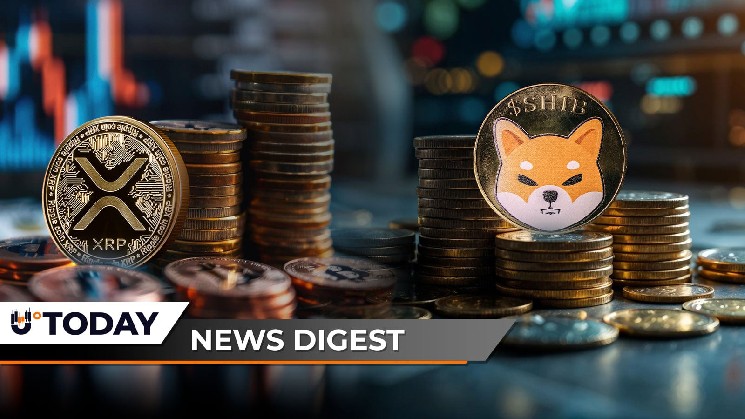
In the volatile world of cryptocurrency, few assets have captivated investors and traders quite like Ripple’s XRP. This weekend marked a significant setback for the digital token, as its brief attempt at recovery stumbled violently, erasing hard-won gains and triggering alarm bells across the market. According to real-time data from CoinGecko, XRP tumbled 7.5% from its recent peak, hitting an intraday low of $1.45— a price point that underscored the fragility of its upward momentum. The token had been climbing steadily earlier, flirtation with the $1.66 resistance level filling holders with optimism, only for that hope to dissipate in a matter of hours. This plunge wasn’t isolated; it appeared tied to a specific event that amplified selling pressure, drawing scrutiny from analysts who specialize in the intricacies of crypto trading. As investors digest the fallout, questions linger about whether this is a temporary hiccup or a harbinger of deeper structural issues facing XRP’s ecosystem. The broader cryptocurrency market, already sensitive to whale movements and exchange-specific dyanmics, offers context for this swift reversal.
Digging deeper, market observers point to South Korea’s dominant exchange, Upbit, as the epicenter of the chaos. Over a scant 15-hour window, net sell orders amounted to a staggering 50 million XRP tokens—a volume that dwarfs typical daily transactions and suggests coordinated or panicked activity. Pseudonymous trader Dom, known as @traderview2 on social media platforms, highlighted this localized sell-off in a fresh analysis that circulated quickly among crypto enthusiasts. Dom’s insights suggest the triggered by a confluence of factors, potentially involving a single large holder, or “mega-whale,” unloading positions en masse, or perhaps a collective exodus among retail traders in the region. South Korea’s crypto scene has historically been vibrant, with exchanges like Upbit wielding outsized influence due to their massive user bases. This incident echoes past episodes where concentrated selling on niche platforms cascaded into wider market ripples, reminding us of the interconnectedness of global trading infrastructures. For XRP, which has been embroiled in regulatory battles with the U.S. Securities and Exchange Commission (SEC), such volatilities compound perceptions of risk. Traders and analysts alike are now dissecting the implications: could this be a response to lingering uncertainties around its classification as a security, or merely a reflection of broader market sentiment? As the dust settles, XRP’s price hovers precariously, awaiting the next catalyst that could either reignite buyer interest or deepen the abyss.
Shiba Inu grapples with stabilization efforts post-sell-off
Shifting gears to another prominent meme coin, Shiba Inu (SHIB) finds itself at a crossroads, battling persistent downward pressures despite intermittent rallies that hint at resilience. This weekend’s trading session extinguished hopes for a sustained recovery, pushing the token into familiar turbulent waters. Originally inspired by Bitcoin’s dog-themed nemesis, Dogecoin, SHIB burst onto the scene with viral enthusiasm in 2021, amassing a colossal market capitalization. However, recent months have been a rollercoaster of disappointments, with sell-offs eroding value and testing the loyalty of its community. Analysts note that after dipping below the psychologically significant $0.000006 mark earlier this week, SHIB managed a tepid rebound, clawing back to around $0.00000666—a level that carries symbolic weight in its lore. Yet, this stabilization feels tenuous, as fresh selling waves repeatedly thwart attempts at upward momentum, leaving investors on edge about the token’s long-term trajectory. In an era where meme coins thrive on hype and social media buzz, SHIB’s struggles underscore the challenges of maintaining investor faith amid macro headwinds.
The token’s price action over the past few days offers a roadmap of dashed expectations. Following a brief ascent that saw it reclaim key chart levels, SHIB encountered stiff resistance, culminating in a 9% drop that wiped out gains and reinforced bearish narratives. This descent paralleled the weekend’s market close, where selling volumes spiked, signaling that short-term holders—often driven by momentum—had bolted for the exits. From a technical standpoint, SHIB remains ensnared below downward-sloping moving averages, a telltale sign of an entrenched downtrend that favors sellers over reactors. Traders eyeing the charts might see promising indicators, like tests of short-term resistance, but these have proven illusory, as each push higher invites retaliatory sell-offs. The wider cryptocurrency landscape, rife with regulatory scrutiny and economic uncertainty, contributes to this bearish backdrop. For SHIB, a token born out of internet whimsy, this phase might represent a maturation struggle: evolving from speculative fever to a more grounded asset. Community discussions on platforms like Reddit and Twitter reveal a mix of frustration and optimism, with some advocating for ecosystem developments—such as Shibarium, its layer-2 scaling solution—to bolster intrinsic value. Nevertheless, the repeated failure to form higher lows suggests that corrective bounces, rather than transformative rallies, define the current phase, urging caution among potential entrants.
Bitcoin challenges decade-old ‘digital gold’ narrative
Meanwhile, the king of cryptocurrencies, Bitcoin, is undergoing a profound shift that challenges its long-established role as the premier “digital gold.” In a provocative warning that has sparked industry-wide debate, on-chain analytics expert Willy Woo highlighted a seismic decoupling from gold after 12 years of aligned growth. Woo’s analysis, shared on X (formerly Twitter), described Bitcoin as facing a “Quantum Discount”—a phenomenon where its purchasing power relative to the precious metal is eroding, potentially dragging down its valuation for years to come. This revelation comes at a pivotal moment, as macroeconomic forces—namely, the culmination of a long-term global debt cycle—realign investment flows toward traditional safe-haven assets. Historically, Bitcoin’s trajectory mirrored gold’s ascent but on a hyper-kinetic scale, boasting a monumental 76,231,860% relative value increase according to ICE data visualized on TradingView. Yet, Woo’s insights reveal a rupture: while gold scales new heights amid debt deleveraging, Bitcoin stalls, tethered by speculative crosscurrents rather than institutional adoption.
At the heart of Woo’s concern lies a dormant threat that fuses technological advancement with market psychology. Roughly four million Bitcoins—equivalent to about 20% of the circulating supply—are deemed “lost” or inactive, locked away in wallets untouched since the cryptocurrency’s infancy. These coins, belonging to early adopters and figures like Bitcoin’s pseudonymous creator, Satoshi Nakamoto, represent a potential floodgate for increased supply. Woo warns that quantum computing breakthroughs could crack the cryptographic defenses safeguarding these funds, reintroducing them into circulation and diluting value through inflation-like effects. This “liquidity shock,” as he terms it, underscores vulnerabilities beyond mere price fluctuations, touching on the existential security of the network itself. In an interconnected financial world, where quantitative tightening and geopolitical tensions amplify volatility, Bitcoin’s decoupling from gold’s trajectory signals broader unease. Investors, traditionally drawn to both assets for their scarcity and resilience, now question Bitcoin’s efficacy as a hedge against fiat currency devaluation. Experts like Woo argue this isn’t just a blip but a structural reckoning, prompting discussions on Bitcoin’s future role in diversified portfolios—especially as quantum threats loom on the horizon.
XRP’s tumble echoes broader crypto vulnerabilities
Returning to XRP’s current woes, the recent plunge serves as a stark reminder of the crypto market’s inherent fragilities, where localized events can cascade into global repercussions. As Upbit’s sell-off reverberated, it exposed the risks of concentrated liquidity on single exchanges, a phenomenon that’s particularly acute in regions like South Korea with its enthusiastic yet speculative trading culture. For XRP, a token underpinned by real-world applications in cross-border payments via Ripple’s technology, this volatility clashes with its fundamental utility narrative. Despite evidence that its ecosystem continues to expand—evidenced by partnerships with financial institutions—the market seems fixated on regulatory overhangs, stalling widespread adoption. Analysts draw parallels to past incidents, such as the 2018 winter when coordinated dumps hammered prices, yet today’s landscape is complicated by evolving compliance norms. As the SEC’s Ripple case winds through appeals, uncertainty persists, deterring large institutional players while fattening opportunism among short-term traders. This dynamic not only affects XRP but also ripples outward, influencing sentiment across altcoins that remain tethered to similar legal gray areas. In essence, the Upbit episode isn’t an aberration but a symptom of deeper systemic vulnerabilities—volatility amplified by information asymmetry and leverage-laden trading practices. Investors disciplined enough to weather such storms may find opportunities amid the chaos, but the uninitiated risk substantial losses, learning the hard way that crypto’s allure is matched only by its unpredictability.
Shiba Inu’s fight for footing amid meme coin fatigue
For Shiba Inu, the quest for stabilization is a microcosm of broader challenges plaguing meme coins in an increasingly discerning market. Once propelled by social media frenzies and celebrity endorsements, SHIB’s journey post-hype phase reveals the pitfalls of reliance on viral momentum rather than substantive developments. The token’s inability to sustain rallies, despite reclaiming minor technical levels, points to waning investor gusto as macroeconomic headwinds favor established assets. Community-led initiatives, including burns that reduce supply, offer glimmers of hope, yet execution often lags behind promises, eroding credibility. Market veterans recall how SHIB mirrored Dogecoin’s trajectory initially, riding Elon Musk’s tweets to dizzying peaks, but sustained interest demands more than memes. Recent volume spikes during downturns indicate retail desperation, a far cry from the bullish adoration of 2021. As SHIB languishes below key indicators, the bearish undertone dominates conversations, with traders hedging bets on weaker fiat currencies that could indirectly benefit crypto—but SHIB risks being sidelined. This sell-off phase might cleanse speculative excesses, paving the way for more serious players to emerge, but for loyal hodlers, patience is paramount in the timeless dance of boom and bust. Navigating these currents requires a blend of technical savvy and emotional discipline, reminding all that in the crypto realm, narratives shift as swiftly as prices.
Bitcoin’s quantum reckoning and crypto’s evolving landscape
Ultimately, Willy Woo’s prognosis on Bitcoin’s decoupling from gold encapsulates the maturation pains of cryptocurrency, where high-stakes narratives clash with emerging realities. The “Quantum Discount” concept isn’t mere theory—it’s a clarion call for proactive adaptation amid technological advancements that could redefine asset values. With millions of “lost” coins potentially re-entering circulation, the Bitcoin community grapples with philosophical debates on decentralization and security, balancing trust in encryption against the specter of quantum threats. This episode also highlights gold’s enduring allure as a tangible store of value, juxtaposed against Bitcoin’s intangible promise, forcing a reevaluation of their symbiotic relationship. As global debt cycles peak and inflationary fears mount, investors scramble for anchors—whether in precious metals or digital protocols. Woo’s analysis, grounded in empirical on-chain data, suggests that Bitcoin’s trajectory could veer toward prolonged underperformance, reminiscent of past corrections that tested true believers. Yet, in adversity lies innovation; the crypto space has historically responded to challenges with upgrades, from hard forks to layer-2 solutions. For enthusiasts and skeptics alike, this moment urges vigilance: monitoring not just price charts but the underlying forces shaping cryptocurrency’s destiny. In the end, as markets digest these insights, Bitcoin’s story—once synonymous with revolution—now hinges on its ability to evolve beyond trends, cementing its place in a financially fragmented world. Whether quantum leaps prove catastrophic or catalytic remains uncertain, but one thing is clear: the crypto odyssey marches onward, urged by curiosity, greed, and the relentless pursuit of value in an uncertain era.