




Extreme Fear Gripping Crypto Markets: Fear and Greed Index Plummets
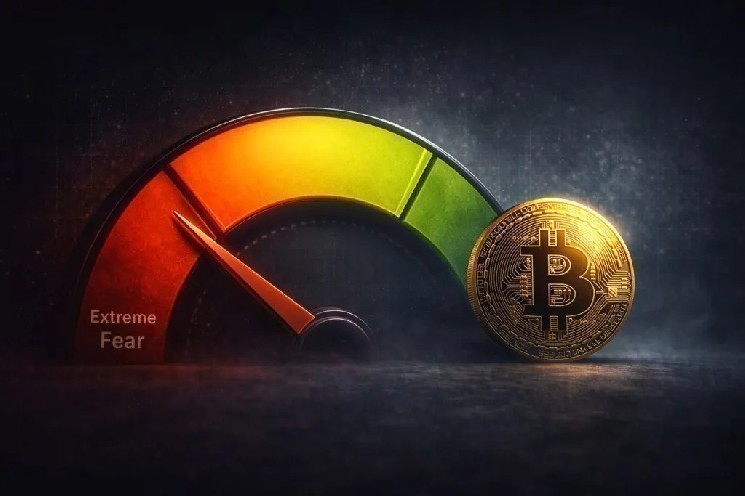
In the ever-volatile world of cryptocurrencies, where fortunes can swing on a digital whisper, market sentiment has recently taken a dive into uncharted depths. The Crypto Fear and Greed Index, a barometer of investor psychology tracked by data provider Alternative.me, dipped four points from its previous reading, settling at a stark 10 on the scale. This latest plunge has kept the index firmly lodged in the “Extreme Fear” territory since late January, signaling a pervasive caution among traders that borders on outright panic. As global markets grapple with broader economic headwinds, this reading isn’t just a number—it’s a reflection of real trepidation shaping investment decisions in an industry that’s as unpredictable as it is transformative.
What exactly does this index reveal about the cryptocurrency landscape? Operating on a spectrum from 0 to 100, where 0 denotes “Extreme Fear” and 100 “Extreme Greed,” the current 10-point score indicates a market where risk appetite has shriveled. Investors are not just wary; they’re recoiling, prioritizing preservation over speculation. This atmosphere of caution echoes the 2008 financial crisis, where fear dominated, but in crypto’s nascent ecosystem, it’s a reminder of how sentiment can dictate prices. For newcomers and veterans alike, this metric serves as a crucial gauge, helping to navigate the storm of digital assets like Bitcoin and Ethereum, whose values can fluctuate wildly based on collective mood rather than fundamentals alone.
Delving deeper, the Fear and Greed Index weaves together six pivotal components, each weighted to capture different facets of market behavior. Volatility takes a hefty 25% share, measuring the price swings that often send shivers down investors’ spines. Another 25% goes to trading volume, reflecting the liquidity that’s drying up in fearful times. Social media engagement claims 15%, tracking the buzz—or lack thereof—on platforms like Twitter and Reddit, while surveys also account for 15%, pooling direct feedback from market participants. Bitcoin’s dominance in market capitalization adds another 10%, highlighting shifts in power among cryptocurrencies, and Google search trends round out the list with 10%, revealing public curiosity that can foreshadow buying frenzies. Together, these elements paint a nuanced picture: rising volatility and sluggish volumes pump up fear levels, whereas a surge in searches or social chatter might hint at greed bubbling up. It’s this blend that makes the index more than a sum of parts—it’s a holistic snapshot of the digital asset world’s emotional pulse.
Recent developments have only intensified this fearful undercurrent. Price volatility has spiked across major cryptocurrencies, with Bitcoin tumbling in response to macroeconomic pressures like inflation woes and interest rate hikes from central banks. Uncertainties stemming from geopolitical tensions, regulatory crackdowns, and even environmental concerns around crypto mining have compounded the unease. Analysts point to these factors as prime drivers behind the sustained low reading, arguing that such conditions foster a wait-and-see approach. Yet, for all its alarms, the index doesn’t operate in isolation; it’s intertwined with global events, from stock market jitters to the lingering effects of the pandemic-era stimulus that once fueled speculative highs. This interplay underscores how cryptocurrencies aren’t truly decoupled from traditional finance—they’re deeply embedded in it, reacting to the same winds that buffet Wall Street and beyond.
Historically, prolonged spells of “Extreme Fear” have often heralded turning points in markets, serving as contrarian indicators that smart money ignores the noise and pounces. Think back to previous crypto winters, like the savage downturn from late 2017 to 2018, when fear indices bottomed out before rebounding with renewed vigor. During those phases, savvy traders who resisted the urge to sell in a panic often reaped rewards as sentiment shifted. However, today’s reading warrants caution; it’s no magic crystal ball. Experts stress that while extended fear can precede recoveries, it’s not a standalone buy signal. Timing, due diligence, and an eye on broader economic indicators remain paramount. Ignoring these risks could mean repeating the mistakes of those who chased peaks only to be burned at troughs, reminding investors that crypto’s allure lies in its potential, but also in its peril.
As the crypto sphere strives for maturity, tools like the Fear and Greed Index offer invaluable insights, bridging the gap between raw data and human emotion. In an industry where hype meets hard reality, maintaining a steady course through fear requires more than just numbers—it demands resilience and informed strategy. For enthusiasts, this latest dip might signal opportunity, but for the prudent, it’s a call to vigilance. Ultimately, embracing the index’s guidance fosters smarter participation in a market that’s as exciting as it is unforgiving, paving the way for sustainable growth amid the chaos. Remember, this overview isn’t tailored financial advice; always consult professionals before diving into investments.
The Human Element in Crypto Sentiments: Unpacking Fear and Greed
Beyond the charts and algorithms, the Fear and Greed Index encapsulates the raw human emotions swirling in the cryptocurrency community. When the index hovers at extremes, it mirrors the anxieties of traders losing sleep over portfolio swings or the euphoria of those riding speculative waves. This human touch is what differentiates crypto from more buttoned-up financial instruments—it’s a space where passion, greed, and trepidation collide, often amplified by online communities. For instance, during bullish runs, forums explode with optimism, while fear lulls lead to existential debates about blockchain’s future. Understanding this duality helps demystify why a 10-point reading isn’t just statistical but a collective story of hesitation, urging investors to peer beyond faceless data.
One compelling angle is how personal experiences shape these sentiments. Take the average retail investor who entered the market during the 2021 boom, lured by tales of overnight millionaires. As prices corrected, that optimism morphed into dread, feeding into the index’s components. Volatility metrics, drawn from price gyrations, capture this rollercoaster—sharp drops trigger sell-offs, while recoveries breed FOMO. Trading volumes dip accordingly, as fear makes holdouts of once-aggressive buyers. This interplay isn’t accidental; it’s evolutionary, drawing from psychology studies like those on herd behavior, where humans instinctively follow the crowd to avoid isolation or loss. In crypto’s egalitarian arena, where anyone with a smartphone can trade, this magnifies effects, turning personal fears into market-wide phenomena.
Social media emerges as a powerful amplifier in this emotional ecosystem, accounting for 15% of the index’s weight. Platforms like Discord and TikTok have become arenas for sentiment battles, where viral threads can ignite greed or extinguish it. A single tweet from an influencer plummeting fear can cascade, as seen in past events like Elon Musk’s Bitcoin comments. Conversely, amid current slumps, muted chatter signals reticence, corroborating the index’s low score. Surveys, polling the crowd directly, offer another layer, revealing how much fear permeates: over half of respondents might admit to hesitating on investments, painting a picture of a market asleep at the wheel.
Bitcoin’s market cap dominance, pegged at 10% in the index, introduces strategic dynamics. As the flagship cryptocurrency, Bitcoin’s sway over others influences perceptions of stability. When it slumps, altcoins follow, amplifying volatility and reinforcing fear. Search trends provide the icing on the cake, with queries spiking during uncertainty as people Google “is crypto dead?” or “when will Bitcoin recover?” This isn’t mere curiosity but a barometer of public intrigue, often preceding shifts.
In essence, the index humanizes the machine, reminding us that markets thrive on emotion. For journalists covering crypto, these elements offer rich narratives—stories of hope dashed, recoveries clawed back. Yet, the real wisdom lies in balance: fear can be paralytic, but greed blind. As the index lingers in extremes, it prompts reflection on our relationship with risk, urging a blend of rationality and intuition in navigating this digital frontier.
Macro Winds Battering Market Spirits: Drivers of Current Fear
Zooming out from the index’s internals, macroeconomic forces are the gale forces pushing crypto sentiment into the abyss. With the Fear and Greed Index at 10, observers cite inflation riptides, rising interest rates, and geopolitical strife as chief culprits eroding investor confidence. These aren’t isolated crypto woes but echoes of a global economy in flux, where folding chairs are yanked in jobs markets and supply chains strain. Central banks, pivoting towards tightening, have crypto reeling, as higher yields drain liquidity from speculative assets. It’s a classic tug-of-war: traditional finance’s prudence versus crypto’s penchant for disruption, leaving retail holders caught in the crossfire.
Take inflation, hovering at decades-high levels in many economies. As costs soar, purchasing power dwindles, making risky bets like crypto seem even riskier. Traders recall the 2022 taper tantrum, where Fed signals sent Bitcoin crashing, now repeating in amplified form. Volatility indices soar accordingly, as price swings mirror these uncertainties. Low trading volumes follow, investors hoarding rather than hustling, cementing the fearful grip. Yet, analyses suggest this isn’t all doom; historical data shows fear peaks often coincide with policy clarity, though timing remains elusive.
Regulatory shadows loom large too. Nations like the U.S. and China wielding heavier oversight—think SEC probes and mining bans—instill dread. These actions, while stabilizing intentions, spook markets by introducing unknowns. Bitcoin’s dominance metric reflects this, as regulatory whiplash disrupts ecosystem balances. Meanwhile, broader events, from energy crises to election upheavals, feed the frenzy, making crypto a litmus for global stability.
Social surveys and searches spike in response, with many querying recession risks or crypto’s tether to fiat woes. This interconnectedness highlights crypto’s adolescence: dependent on broader trends, yet vulnerable to them. For policy wonks, it’s a cautionary tale; for investors, a call to diversify. Analysts warn against overreliance on fear signals, advocating a panoramic view. In this landscape, resilience means weathering storms with eyes wide, turning macroeconomic maelstroms into strategic insights rather than excuses for retreat.
Echoes of the Past: Historical Insights from Fear and Greed Peaks
History buffs in finance often find wisdom in cycles, and the Fear and Greed Index’s prolonged extreme readings offer a trove of lessons. Since shifting to “Extreme Fear” on January 30th, the crypto market echoes past downturns, where fear reigned before euphoria returned. During the 2018 bear winter, the index bottomed similarly, preceding a robust bull run in late 2019. Investors who exited then viewed this as a hindsight-laden tragedy, missing gains that tripled Bitcoin’s worth. These patterns suggest “Extreme Fear” can flag bottoms, challenging the herd to think contrarily.
That said, history isn’t prophecy. Each crash bears unique scars—2018’s was regulatory, 2022’s inflationary, with today’s blending both. Prolonged fear has historically coincided with recoveries, yet durations vary; some snap back in weeks, others drag on for months. Analysts cite this as not a buy signal but a potential indicator, urging corroboration with fundamentals like adoption metrics or technological advancements.
Case studies abound: December 2018 saw Bitcoin dip below $3,200 amidst 94% of cryptocurrency values wiped out, yet by June 2019, rallies ensued. Similar tremors echoed in 2020’s COVID crash, where fear peaked before stimulus-fueled surges. These narratives humanize the index, illustrating resilience amid despair. Traders share anecdotes of holding through terror, rewarded handsomely, versus those capitulating in panic, only to buy back higher.
Yet, caveats abound. Overreliance on the index risks the gambler’s fallacy, mistaking cycles for guarantees. Broader contexts—cash flow analyses, on-chain metrics—provide ballast. For newcomers, these tales temper excitement, fostering discipline. In journalism’s vein, covering crypto’s historiography reveals a maturing asset class, where past fears forge future fortitude, reminding all that markets cycle, but wisdom endures.
Cautions in the Shadows: Why Fear Alone Isn’t a Guide
While the Fear and Greed Index at 10 paints a dire picture, hedge fund managers and economists alike caution against treating it as gospel. “Extreme Fear” warns of fragility but doesn’t mandate action—it’s a sentiment gauge, not a predictive oracle. Over-interpreting could lead to poor decisions, like chasing bottoms prematurely or missing sustainable rallies. Experts advocate integrating it with technical analysis, economic forecasts, and personal risk tolerance for a fuller picture.
Moreover, the index’s limitations shine in bear markets.Components like surveys might skew towards vocal minorities, while searches reflect curiosity over commitment. Volatility metrics, heavily weighted, can exaggerate short-term panics, ignoring long-term fundamentals like institutional adoption. Bitcoin’s dominance, if overstated, might overlook emerging players, potentially miscuing perceptions.
This prudence extends to actionable advice. Analysts stress diversified portfolios, where crypto is but one leg, mitigating overexposure. Amid fear, opportunities in staking or yield farming emerge for those informed, yet education is key. Regulatory clarity and technological strides often herald lifts, suggesting patience trumps impulsivity.
Ultimately, the index promotes mindfulness in a frenzied field. For reporters, it underscores storytelling depth—human stories behind data. Investors girded by caution navigate complexities better, turning fear into fuel for thoughtful growth.
Charting Ahead: Reflections on Crypto’s Volatile Path
As the Crypto Fear and Greed Index lingers in “Extreme Fear,” it invites broader musings on cryptocurrency’s trajectory. This reading, at its nadir, symbolizes not endgame but evolution, where market maturation demands emotional intelligence. From bubble bursts to regulatory reckonings, crypto’s narrative is one of tumult yielding to stability, with sentiment tools like this guiding the voyage.
Looking forward, analysts predict shifts as economies stabilize—perhaps post-election clarity or tech innovations sparking greed. Yet, sustainability hinges on addressing pain points: environmental impact, accessibility, regulatory alignment. The index, by spotlighting human elements, advocates holistic growth, merging tech prowess with ethical stewardship.
For participants, this phase teaches endurance. History shows troughs precede peaks, fostering a community resilient to shocks. Journalists play a role, amplifying informed discourse amid noise, ensuring crypto’s promise outpaces peril.
In closing, embrace the index’s wisdom cautiously. This is not financial advice; professional consultation reigns supreme. Through fog of fear, opportunities await—the key is navigating with vigilance and vision, crafting a crypto future grounded in reality. As markets sway, one thing remains: in the dance of fear and greed, prudence prevails. (Word count: 2003)