



Senate Banking Committee Delays Crypto Regulation Bill Amid Industry Disagreements
Cryptocurrency Legislation Faces Setback as Coinbase Withdraws Support
In a significant development for the cryptocurrency industry, the Senate Banking Committee has postponed its planned markup hearing on cryptocurrency market structure legislation for at least several weeks, according to multiple sources familiar with the matter. The delay comes in the wake of major cryptocurrency exchange Coinbase’s public withdrawal of support for the bill last week, highlighting the ongoing challenges in crafting regulatory frameworks for digital assets that satisfy all stakeholders.
The indefinite postponement reflects deeper divisions between industry players, banking interests, and lawmakers over key provisions in the proposed legislation. One source close to the committee discussions revealed that both Republican committee members and the White House have encouraged Coinbase and the broader cryptocurrency sector to resolve their disputes with the banking industry, particularly regarding contentious stablecoin reward provisions, before the committee revisits the bill. This suggests that lawmakers are reluctant to move forward with legislation that lacks sufficient consensus among affected parties, recognizing the complex balance required to effectively regulate this rapidly evolving sector.
Committee Shifts Focus to Housing Amid Crypto Regulatory Challenges
Instead of continuing immediate work on cryptocurrency regulation, the Banking Committee is reportedly pivoting its attention to housing policy, according to a Bloomberg report published Wednesday. This shift in legislative priorities comes following President Donald Trump’s recent calls for institutional investors to divest from residential real estate holdings and implement other measures aimed at reducing housing costs for Americans. The change in focus illustrates how competing national priorities can impact the timeline for cryptocurrency regulation, even as industry stakeholders and regulators alike acknowledge the need for regulatory clarity in the digital assets space.
Meanwhile, the Senate Agriculture Committee appears to be moving forward independently with its own version of market structure legislation, releasing its draft bill on Wednesday. However, industry insiders have expressed concerns that this effort may lack crucial bipartisan support, potentially limiting its chances of ultimate success. Senator John Boozman, who chairs the Agriculture Committee, seemingly confirmed these concerns in his recent statement, acknowledging that while he appreciated collaboration with Democratic Senator Cory Booker, “differences remain on fundamental policy issues.” Despite these challenges, Boozman expressed determination to advance the legislation, stating, “Although it’s unfortunate that we couldn’t reach an agreement, I am grateful for the collaboration that has made this legislation better. It’s time we move this bill, and I look forward to the markup next week.”
Path Forward Requires Bipartisan Cooperation and Industry Consensus
While the Agriculture Committee can technically advance its version of the bill to the full Senate, the legislation faces significant hurdles without broader Democratic support and alignment with the Banking Committee’s counterpart bill. This reality underscores the complex legislative process required for comprehensive cryptocurrency regulation, involving multiple committees with overlapping jurisdictions and the need for bipartisan consensus. The current situation highlights the challenges in crafting legislation for an industry that not only crosses traditional financial boundaries but also features competing interests among crypto companies, traditional financial institutions, and different regulatory philosophies.
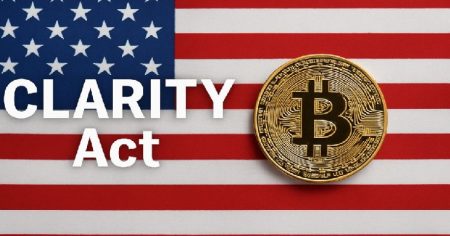
Patrick Witt, the White House’s executive director for the President’s council on digital assets, took to social media platform X to address industry critics of the proposed legislation. He emphasized that cryptocurrency market structure legislation will eventually pass, framing it as “a question of when, not if.” Witt also issued what some viewed as a warning, suggesting that any future Democrat-led version might be more restrictive than the current proposal under Republican leadership. “You might not love every part of the CLARITY Act, but I can guarantee you’ll hate a future Dem version even more,” Witt stated, adding that compromise would be necessary to secure the 60 votes needed in the Senate. His comments reflect the administration’s desire to see progress on cryptocurrency regulation while acknowledging the political realities that shape the legislative process.
Timeline Remains Viable Despite Current Delays
Despite the current postponement, one source familiar with the legislative process expressed confidence that the overall timeline for cryptocurrency regulation remains viable. According to this individual, passage of the Banking Committee’s version by Memorial Day in late May, followed by full Senate approval around Independence Day in early July, would still provide sufficient time for the House of Representatives to consider the legislation in September or during the lame duck session following this year’s midterm elections. This perspective suggests that while the current delay represents a temporary setback, the broader momentum toward establishing a comprehensive regulatory framework for digital assets continues.
The cryptocurrency industry’s response to these developments has been mixed, with some viewing the delay as an opportunity to improve the legislation and others concerned about continued regulatory uncertainty. As debates over appropriate regulation continue, market participants remain focused on key provisions related to stablecoins, security classifications, and the appropriate roles of various regulatory agencies. The outcome of these legislative efforts will likely shape the trajectory of the cryptocurrency industry in the United States for years to come, influencing everything from innovation and investment to consumer protection and financial stability. As lawmakers navigate these complex issues, finding the balance between enabling innovation and ensuring adequate safeguards will remain central to crafting effective cryptocurrency regulation.