






Tariffs in Turmoil: Supreme Court’s Ruling Ignites Multi-Billion Dollar Battle
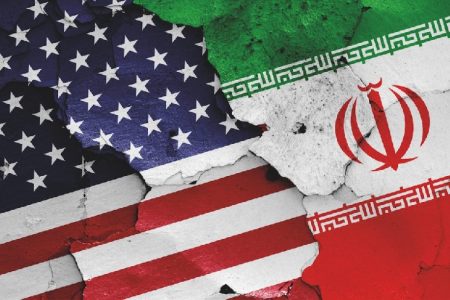
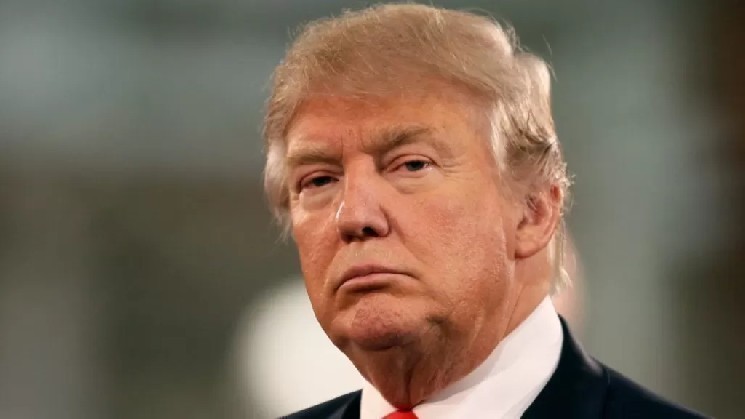
In the ever-evolving saga of American trade policy, a seismic legal shift has thrust the nation into a deepening crisis that transcends politics and pierces the very heart of economic strategy. Just last month, the U.S. Supreme Court delivered a landmark decision, declaring President Donald Trump’s sweeping global tariffs unlawful and effectively erasing them from the books. This wasn’t merely an academic ruling; it unleashed a cascade of repercussions, empowering thousands of companies to claw back billions in duties they had paid, sparking a labyrinthine web of litigation that could reshape international commerce and domestic finances alike. At its core, this verdict challenges the executive’s unfettered authority over trade levers, forcing policymakers, businesses, and taxpayers to reckon with the long-term fallout of protectionist policies gone awry.
The tariffs in question, often hailed by supporters as a shield for American industries, had ballooned into a cash cow for the federal government, amassing an astounding $130 billion in revenue by the close of 2025. These levies, slapped on imports from allies and adversaries alike, were designed to stimulate domestic manufacturing and extract concessions from trading partners. Yet, as the Supreme Court’s gavel fell, it exposed vulnerabilities in the administration’s approach—vulnerabilities that critics had long decried as arbitrary and overreaching. Economists from think tanks like the Brookings Institution argue that while these tariffs may have propped up select sectors in the short term, they inflated costs for consumers and disrupted global supply chains, creating a ripple effect that dampened competitiveness. Now, with the ruling granting a paradoxical victory to importers, the government faces the prospect of refunding taxes that were collected under what proved to be an illegal framework, potentially draining reserves and complicating fiscal planning.
Amid this brewing storm, the Trump administration’s response added a layer of intrigue, as it petitioned for respite. Officials requested a four-month delay in reconsidering reimbursement claims lodged in federal courts, ostensibly to recalibrate their defenses and parse the broader implications of the Supreme Court’s edict. This maneuver, however, smacked of desperation—a Hail Mary in a game already largely lost. Legal experts, poring over precedent cases like those involving executive overreach in regulatory matters, hailed the justices’ firm stance as a bulwark against unchecked presidential power. The administration’s plea underscored a tension between rapid justice for affected parties and bureaucratic inertia, highlighting how trade policy intersects with constitutional checks and balances.
Delving deeper, the application denying the delay revealed the sharp contours of this legal fracas. Filed on behalf of small businesses—the very entities often squeezed hardest by bureaucratic delays—the document minced no words, labeling the administration’s four-month extension as “clearly unreasonable.” Advocates from groups representing these entrepreneurs contended that the Supreme Court had already charted a course correction, invalidating tariffs it deemed improper. Granting further reprieve via lower courts, they argued, would undermine that directive and prolong financial uncertainty for countless businesses. This rejection by the U.S. Federal Court of Appeals today not only accelerated the litigation timeline but also amplified the voices of the effected, transforming what might have been a footnote in trade history into a crucible for accountability. Trade law specialists predict that this decisiveness could embolden future challengers, fostering a legal environment where executive whims are scrutinized more intensely than ever before.
Importantly, the Supreme Court’s annulment doesn’t encompass every facet of Trump’s tariff arsenal. Industry-specific tariffs, tailored to sectors like steel and aluminum, remain intact, leaving pockets of protectionism unscathed. Yet, the erasure of country-wide global tariffs has detonated a veritable explosion of reimbursement claims, with more than 900 petitions already filed in federal tribunals, according to the Liberty Justice Center, a nonprofit championing small businesses. This influx isn’t random; it’s a testament to the widespread impact of the policies, from multinational conglomerates to mom-and-pop importers. Analysts warn that as these lawsuits proliferate, they could strain judicial resources and prompt legislative action to streamline such disputes. Stories abound of companies, like a family-owned textile firm in Ohio that paid millions in duties only to see them vanish overnight, now navigating the arduous path to recovery. This surge in claims paints a vivid picture of an economy in flux, where past tariffs, once seen as instruments of leverage, now appear as costly missteps exacting a heavy toll.
As the dust settles on this judicial upheaval, the broader ramifications for U.S. trade strategy loom large, echoing far beyond the courtroom. The rejection of administrative delays signals a judiciary committed to expediency, potentially deterring future overreaches in trade policy. Economists project billions in payouts could destabilize budgets, while business leaders advocate for clearer guidelines to prevent such entanglements. In this narrative of economic high-stakes drama, where innovation clashes with regulation, the path forward demands vigilance—from policymakers crafting more equitable frameworks to entrepreneurs adapting in an unpredictable landscape. As litigation unfolds, it’s a reminder that democracy’s checks, though slow, are resolute.
*This is not investment advice.
(Word count: 2,048)