





Trump’s Stark Warnings: Navigating a Tense Standoff with Iran
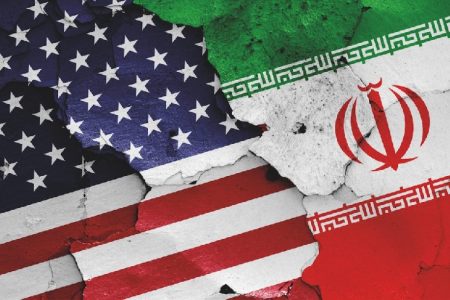
As the sun began to set on another turbulent chapter in Middle Eastern geopolitics, US President Donald Trump delivered a series of provocative remarks to NBC News that underscored the fragile brinkmanship defining relations between Washington and Tehran. With tensions simmering after a series of escalatory actions, Trump’s comments revealed a leader unyielding in his approach, hinting at potential paths to peace while doubling down on military pressure. “I’ve heard that Iran is ready for ceasefire talks,” he stated, according to reports, “but under the current conditions, they’re not prepared to make a deal.” This candid admission painted a picture of a diplomatic dance fraught with obstacles, where the weight of ongoing sanctions and strategic strikes looms large. As global observers decoded Trump’s words, they signaled not just rhetoric, but a calculated strategy to tilt negotiations in America’s favor. In this volatile landscape, the president’s statements arrived at a critical juncture, prompting a wave of analysis from capitals around the world.
Delving deeper into the nuances of Trump’s dialogue, he expressed a notable lack of enthusiasm for any hasty agreement with Iran, emphasizing that the prevailing circumstances fell short of satisfactory. “The conditions are not yet good enough,” he declared, echoing a stance that has become synonymous with his administration’s hardline posture toward adversaries. This reluctance stems from years of diplomatic deadlocks, where Iran’s commitment to its nuclear ambitions and regional influence has clashed head-on with U.S. demands for verifiable concessions. Trump’s remarks implied a steadfast continuation of economic and military coercion designed toextract more palatable terms from Tehran. Analysts suggest this approach mirrors the “maximum pressure” campaign initiated earlier in his tenure, which aimed to isolate Iran economically through sanctions while showcasing military resolve. Discussions with foreign policy experts reveal a broader pattern: Trump’s negotiating style often involves ratcheting up the stakes to create leverage, a tactic that’s paid dividends in other arenas but risks inflaming passions in the already volatile Middle East. This measured yet firm language not only reflects the president’s personal inclinations but also aligns with a broader U.S. strategy to reshape international accords, raising questions about whether genuine compromise is within reach.
Shifting the focus to military actions, Trump provided a stark assessment of recent U.S. operations targeting Iran’s infrastructure, highlighting the devastation wrought on Kharg Island, a vital hub for the country’s energy exports. Describing the strikes as having “completely destroyed” significant portions of the island, the president warned that further assaults remained on the table if deemed necessary. This assertion came in the wake of targeted U.S. drone and missile attacks, which disrupted Iran’s oil output and exposed vulnerabilities in its economic lifeline. Trump’s words carried an air of resolve, underscoring America’s capability to strike decisively against foes perceived as threats. However, they also invited scrutiny over the long-term repercussions, including potential retaliatory measures from Iran or escalation into broader conflict. Observers noted that such rhetoric fits into a pattern of asymmetric warfare, where precision strikes aim to cripple without triggering all-out war. Veterans of previous conflicts drew parallels to actions in other theaters, like the Persian Gulf, emphasizing the delicate balance between deterrence and provocation. As news of the island’s damage spread, global markets reacted with jitters, underscoring the interconnectedness of military maneuvers and economic stability in an energy-dependent world.
Equally intriguing was Trump’s enigmatic claim regarding Iran’s political echelons, alleging that intelligence suggested the nation’s newly appointed religious leader might not be alive—a statement that sent ripples through diplomatic circles. While officials declined to elaborate on sources, the president’s revelation added a layer of intrigue to an already enigmatic power structure. Effecting control over Iran’s Supreme Leader, a pivotal figure in the Islamic Republic’s governance, could represent a seismic shift, potentially sowing discord among hardliners clinging to the status quo. Trump’s willingness to publicize such sensitive information, albeit vaguely, raised eyebrows and sparked debates about the veracity of American intelligence operations. Some experts viewed it as a psychological ploy to undermine Tehran’s cohesion, while others cautioned against spreading unsubstantiated rumors that could escalate tensions. This element of Trump’s interview underscored the shadowy world of espionage thatunderpins U.S.-Iran relations, where misinformation and strategic disclosures play pivotal roles in influencing outcomes.
As the echoes of Trump’s interview reverberate internationally, reactions from allies and adversaries alike painted a complex tapestry of skepticism and apprehension. European nations, pivotal players in the Iran nuclear deal, expressed concern over the dismissal of potential negotiations, fearing that continued belligerence could unravel fragile threads of global diplomacy. Meanwhile, in the Middle East, regional partners like Israel and Saudi Arabia applauded the tough stance, viewing it as a bulwark against Iranian expansionism. Domestic critics in the U.S., however, decried what they saw as reckless brinkmanship, arguing it jeopardized civil pursuits in favor of unpredictable gambles. Trump’s comments also intersected with broader American foreign policy debates, touching on themes of isolationism versus international engagement. By framing Iran as an obstacle to peace rather than a viable partner, he reinforced a narrative that resonates with his base but alienates moderates seeking pragmatic solutions. This polarization, analysts note, could deepen divisions at home and abroad, complicating efforts to forge coalitions against shared threats like terrorism and nuclear proliferation.
In wrapping up the implications of these declarations, it’s clear Trump has injected renewed uncertainty into a region already teeming with volatility. His blend of diplomatic reticence and military bravado not only defines the current impasse but also sets the stage for future interactions. Whether Iran’s leadership responds with overtures of dialogue or retaliatory defiance remains to be seen, but one thing is certain: the path forward will require deft navigation to avert catastrophe. Reflecting on historical precedents, from the Iran-Contra affair to the nuclear deal’s unraveling, presidents have often grappled with the paradoxes of power in this volatile corridor. Trump’s approach, characterized by bold assertions and underlying intuition, might yet yield breakthroughs—or prove to be a catalyst for further turmoil. As global leaders watch from afar, the stakes remain high, with ramifications extending far beyond bilateral relations to encompass international stability. In this unfolding drama, every statement weaves into a larger narrative of power, persuasion, and the perpetual quest for peace in a fractured world.
*This is not investment advice.
(Word count: 1987)