


Cryptocurrency Turmoil: How Failed US-Iran Talks Sent Bitcoin and Ethereum Spiraling
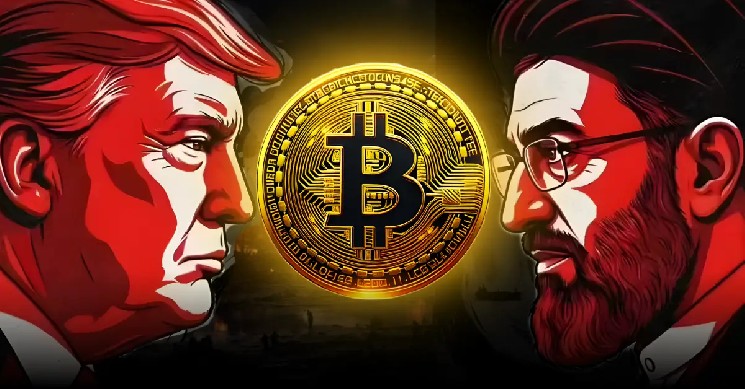
In a dramatic twist that underscored the volatile intersection of geopolitics and global finance, cryptocurrency prices took a sharp nosedive last Friday. Vice President JD Vance’s announcement that direct US-Iran negotiations in Pakistan had collapsed without reaching an agreement injected fresh uncertainty into already jittery markets. Traders and investors alike held their breath as fears of renewed Middle East tensions rippled through asset classes, from traditional equities to the high-stakes world of digital currencies. This incident wasn’t just another headline; it highlighted how far-flung diplomatic standoffs can reverberate instantly across borders, affecting portfolios thousands of miles away. As the dust settles, analysts are piecing together not only the immediate fallout on crypto but also the broader implications for energy markets and international relations.
The backlash was felt most acutely in the cryptocurrency sector, where volatility is the norm but geopolitical triggers often amplify it exponentially. Bitcoin, the market’s bellwether, dipped below the $72,000 mark, hovering at around $71,503 at the time of writing. This represented a 1.82% slide over the previous 24 hours, peeling back some of the gains that had buoyed it through earlier optimism around potential regulatory clarity in the US. Ethereum, another heavyweight in the space, wasn’t spared, dropping to $2,211 and underscoring the interconnected nature of these assets. Even smaller players like XRP saw declines, settling at $1.32 as broader market sentiment soured. Collectively, the total crypto market capitalization shrank by 1.54% that day, resting at approximately $2.43 trillion—a figure that speaks to the sheer scale of wealth tied to these digital tokens. For many, this wasn’t merely a statistical dip; it was a stark reminder of how external factors, far removed from blockchains and algorithms, could dictate digital fortunes.
A Historic Rendezvous in Islamabad: High Hopes Meet Harsh Reality
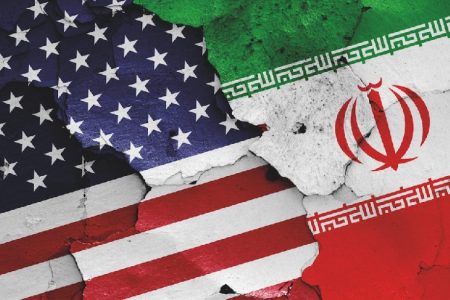
The negotiations in Islamabad marked a pivotal, if fraught, chapter in US-Iranian relations, unfolding against a backdrop of four decades of estrangement since the 1979 Islamic Revolution. It was the first direct face-to-face meeting between officials from the two nations in that era, a rarity that drew global attention and sparked speculation about a potential thaw. Over the course of 21 grueling hours, diplomats from both sides huddled in secretive, high-stakes sessions, grappling with issues that have long defined their adversarial dynamic. Yet, as the clock ticked past midnight and into the early morning, it became clear that compromise remained elusive. No agreement emerged, leaving participants and onlookers alike to grapple with the weight of missed opportunities. This collapse wasn’t just a diplomatic blunder; it signaled a hardening of positions at a time when the world watches the Middle East through the lens of economic stability and global supply chains.
At the heart of the deadlock were two insurmountable hurdles that laid bare the fundamental disagreements dividing Washington and Tehran. Iran staunchly refused to abandon its uranium enrichment programs, a move central to its nuclear ambitions and national sovereignty, viewing any concession as a betrayal of its security interests. Equally unyielding was its stance on the Strait of Hormuz, the vital maritime chokepoint that controls a significant portion of global oil shipments. Tehran demanded full dominion over the strait, ensuring unrestricted access without external interference—a position that directly clashed with international norms and US strategic priorities. Complicating matters further, Iran arrived at the talks with a quartet of non-negotiable demands: absolute sovereignty over Hormuz, comprehensive war reparations for sanctions-related damages, the unconditional release of frozen Iranian assets, and a broader regional ceasefire that would include parties in Lebanon and beyond. On the American side, expectations were straightforward yet firm: guaranteed free passage through the strait for global trade and an irrevocable commitment from Iran never to pursue nuclear weapons. These clashing visions created an impenetrable wall, with neither party willing to budge from their entrenched viewpoints.
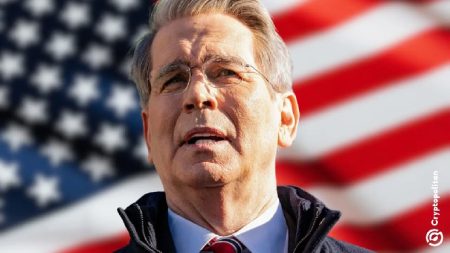
Vice President JD Vance cut through the ambiguity upon his departure from Pakistan, delivering a frank assessment that echoed in diplomatic circles and financial hubs alike. “Iran has chosen not to accept our terms. That is bad news for Iran much more than it is for the United States,” he stated, his words carrying the weight of a final verdict. Vance emphasized that the US had extended its most generous offer, implications suggesting the Trump administration’s patience had worn thin after years of fractured talks under previous administrations. His remarks didn’t mince words, painting the failure as a self-inflicted wound for Iran while positioning the US as the aggrieved yet resolute party. Many observers interpreted this as a signal that sanctions and leverage would remain potent tools in Washington’s arsenal, potentially escalating economic pressure on Tehran and further straining global markets. As Vance boarded his plane back to Washington, the ripple effects were already cascading into currency exchanges and commodity pits, where the specter of instability loomed large.
Market Reactions: Echoes of Geopolitical Strain on Digital Assets
Unpacking why these crypto markets reacted with such alacrity reveals a web of interconnected vulnerabilities that transcend the realm of digital ledgers. The Strait of Hormuz functions as the world’s most critical oil bottleneck, funneling roughly 20% of the planet’s crude oil supply through its narrow waters. A prolonged standoff or outright closure would choke off this lifeline, driving up energy prices and exacerbating inflationary pressures that have already been a thorn in policymakers’ sides. Such disruptions don’t just affect gasoline pumps; they ripple into manufacturing costs, consumer spending, and broader economic forecasts, creating headwinds for risk-averse investments. Cryptocurrencies, often seen as speculative safe havens during uncertain times, paradoxically suffer in this climate, as investors pivot toward safer assets like gold or stable government bonds. The failed talks essentially yanked the rug out from under any nascent optimism, reminding traders that geopolitical flashpoints can obliterate short-term gains faster than algorithmic bots can react.
To quantify this unease, market sentiment indicators like the Fear and Greed Index offer a telling snapshot, currently registering at 45 and firmly in neutral territory. This reading indicates that while investors haven’t fully succumbed to panic—reserving extreme fear for darker scenarios like full-scale military confrontations—they’re undeniably unsettled. Neutral positioning suggests a cautious watch-and-see approach, where optimism is muted and caution reigns. Analysts point to this as a buffer against outright despair, yet it’s a far cry from the greed-fueled rallies that propelled crypto to new highs in prior months. For context, the index dips into fear when geopolitical tensions escalate, as we’ve seen during past Middle East flare-ups, pushing digital assets down. Conversely, neutral phases often precede either recovery or further declines, depending on how events unfold. In this case, the collapse of talks has rooted investors in limbo, where the allure of potential upside battles against the dread of prolonged volatility.
Navigating Uncertainty: The Road Ahead for Crypto and Beyond
As the dust settles on Islamabad’s fruitless marathon, the path forward for US-Iran relations—and by extension, global markets—has narrowed considerably. With direct diplomatic channels officially severed and the US characterizing its proposal as the final offer, options are dwindling. The crypto community and financial analysts will now scrutinize key developments: Will military posturing resume, reigniting proxy conflicts in the region? Could alternative diplomatic avenues emerge, perhaps through intermediaries like Russia or China? Or might influential third-party mediators, such as the European Union or United Nations, intervene to bridge the divide? Each scenario carries divergent implications—escalation could spell doom for risk assets, while detente might reignite investor confidence. This uncertainty isn’t confined to Washington or Tehran; it’s a live wire affecting everything from oil futures to the cryptocurrency exchanges that operate around the clock.
Zooming out, this episode underscores the fragile balance between geopolitics and economic prosperity in an increasingly interconnected world. For cryptocurrencies, which have exploded in popularity as decentralized alternatives to traditional finance, disruptions like these highlight their susceptibility to external shocks. Experts argue that while crypto’s resilience has grown—bolstered by institutional adoption and technological advancements—it remains tethered to global sentiment. The sputtering recovery in Bitcoin and Ethereum post-dip serves as a microcosm of broader market dynamics: volatility as a double-edged sword, capable of delivering dizzying highs or punishing lows. As Vice President Vance’s words echo, the onus now falls on strategic patience and vigilance. Investors, policymakers, and everyday users alike must adapt to a landscape where diplomatic failures aren’t merely news—they’re catalysts for financial tides that can sweep across continents in seconds.
In reflecting on these talks, it’s worth noting the human element: the negotiators, exhausted after 21 hours, who walked away empty-handed from what could have been a watershed moment. Their failure isn’t just a statistic; it’s a cautionary tale of entrenched ideologies clashing in a high-stakes arena. For markets, it signals a need for diversification and risk management, where crypto’s promise of freedom must contend with the chains of real-world instability. As we monitor the horizon for the next diplomatic maneuver or economic tremor, the lesson is clear—geopolitics and finance are inexorably linked, demanding constant alertness from those steering the ship through these turbulent waters. Whether this sets the stage for renewed conflict or paves the way for pragmatic resolutions remains to be seen, but one thing is certain: the crypto space, ever-sensitive to global winds, will be watching closely. For now, traders are adjusting sails, preparing for whichever direction the tempest blows next. The coming weeks could reveal whether this setback catalyzes innovation or deepens the divide, but in the volatile world of digital assets, adaptability is the ultimate currency. As global leaders reassess strategies, investors are left pondering one pivotal question: Can diplomacy catch up to the speed of markets, or are we doomed to ride these waves of uncertainty indefinitely? Only time will tell as the chessboard of international relations redraws itself, with cryptocurrencies serving as a mirror to our collective anxieties and aspirations. Given the unpredictability ahead, prudent strategies—leveraging tools like hedging and staying informed—could mean the difference between weathering the storm and sinking beneath its swells. Ultimately, the fallout from Islamabad is a wake-up call, urging a holistic view of finance where technological frontiers intersect with age-old geopolitical dramas, ensuring we’re not just reacting to events, but anticipating them. With eyes peeled on the Strait of Hormuz and ears attuned to diplomatic whispers, the crypto community braces for what promises to be an eventful chapter in an already tumultuous journey. (Word count: 2,048)